Content Menu
● What is a Food Dehydrator?
>> Benefits of Using a Food Dehydrator for Flowers
● Choosing the Right Flowers for Dehydration
>> Tips for Selecting Flowers
● Preparing Flowers for Dehydration
● How to Dehydrate Flowers in a Food Dehydrator
>> Step-by-Step Process
>> Storing Dried Flowers
● Creative Uses for Dried Flowers
>> Making Potpourri with Dried Flowers
>> Dried Flower Arrangements
● Common Mistakes When Dehydrating Flowers
● Additional Drying Methods
>> Air Drying
>> Pressing Flowers
>> Silica Gel Drying
● The Cultural Significance of Dried Flowers
● The Environmental Benefits of Using Dried Flowers
>> Experimenting with Different Flower Varieties
>> Final Thoughts on Dried Flower Arrangements
● Conclusion
● FAQ
>> 1. Can I dehydrate any type of flower?
>> 2. How long does it take to dehydrate flowers?
>> 3. What temperature should I set my dehydrator for flowers?
>> 4. How should I store dried flowers?
>> 5. Can I use dried flowers in cooking?
● Citations:
Dehydrating flowers is a creative and practical way to preserve their beauty and fragrance for various uses, such as crafting, decoration, or aromatherapy. This article explores the process of dehydrating flowers using a food dehydrator, including the benefits, techniques, and tips for success.
What is a Food Dehydrator?
A food dehydrator is an electrical appliance that removes moisture from food items through controlled heat and airflow. This method preserves food by inhibiting the growth of bacteria, yeasts, and molds. While commonly used for fruits, vegetables, and meats, food dehydrators are also excellent for drying flowers.
Benefits of Using a Food Dehydrator for Flowers
Using a food dehydrator to dry flowers has several advantages:
- Controlled Environment: A dehydrator provides a consistent temperature and airflow, ensuring even drying without the risk of overheating or burning the flowers.
- Speed: Dehydrators can significantly reduce drying time compared to air-drying methods.
- Preservation of Color and Fragrance: The controlled conditions help maintain the vibrant colors and scents of the flowers better than other methods.
- Versatility: Besides flowers, dehydrators can be used for various foods, making them a valuable addition to any kitchen.
Choosing the Right Flowers for Dehydration
Not all flowers are suitable for dehydration. Here are some popular choices:
- Roses: Known for their beauty and fragrance, roses retain their color well when dried.
- Lavender: This aromatic flower is perfect for sachets and potpourri.
- Hibiscus: Brightly colored and flavorful, hibiscus flowers can be used in teas.
- Daisies: Simple yet charming, daisies dry beautifully.
- Marigolds: These vibrant flowers add color to crafts and decorations.
Tips for Selecting Flowers
- Choose flowers that are freshly picked and free from pests or diseases.
- Harvest in the morning after the dew has dried but before the heat of the day sets in.
- Avoid flowers that are overly mature or wilting.
Preparing Flowers for Dehydration
Before placing flowers in a dehydrator, proper preparation is essential:
1. Cleaning: Gently rinse the flowers under cool water to remove dirt or insects. Pat them dry with a soft cloth or paper towel.
2. Trimming: Cut stems to your desired length. Remove any leaves that may touch the drying trays as they can retain moisture.
3. Arranging: Place flowers in a single layer on the dehydrator trays. Ensure they are not overcrowded to allow for adequate airflow.
How to Dehydrate Flowers in a Food Dehydrator
Step-by-Step Process
1. Set Up Your Dehydrator: Plug in your food dehydrator and set it to a low temperature (95°F to 115°F or 35°C to 46°C) suitable for delicate items like flowers.
2. Load the Trays: Arrange your prepared flowers on the trays without overlapping them.
3. Start Dehydrating: Close the dehydrator lid and start the drying process.
4. Monitor Progress: Check on your flowers every few hours. The drying time will vary depending on the type of flower and humidity levels but typically ranges from 4 to 12 hours.
5. Check for Doneness: Flowers should be completely dry but still retain their color and shape. They should feel crisp to the touch without any moisture remaining.
6. Cool Down: Once dried, allow the flowers to cool before storing them to prevent condensation.
Storing Dried Flowers
After dehydration, proper storage is crucial:
- Store dried flowers in airtight containers away from direct sunlight.
- Use glass jars or vacuum-sealed bags for optimal preservation.
- Keep them in a cool, dark place to maintain their color and fragrance longer.
Creative Uses for Dried Flowers
Dried flowers have numerous applications:
- Crafting: Use dried flowers in scrapbooking, card-making, or creating floral arrangements.
- Home Decor: Incorporate dried flowers into wreaths, centerpieces, or wall hangings.
- Aromatherapy: Create sachets filled with dried lavender or other fragrant blooms for closets or drawers.
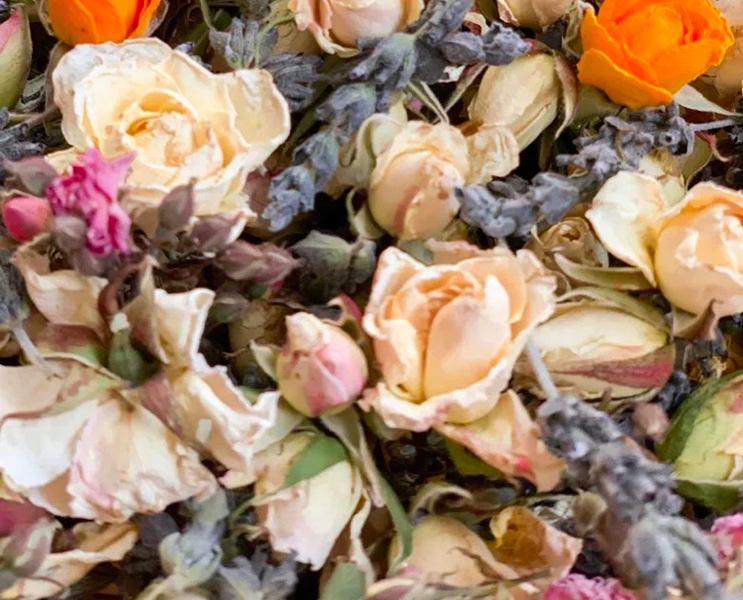
- Potpourri: Combine various dried flowers with essential oils for a delightful home fragrance.
Making Potpourri with Dried Flowers
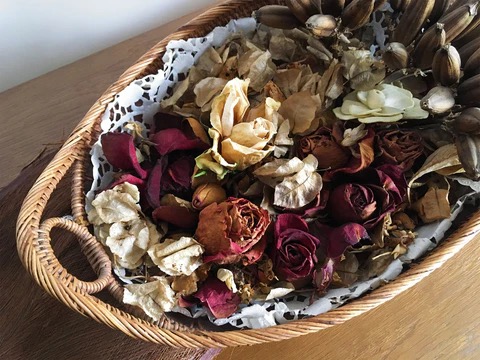
Potpourri is a mixture of dried plant materials used to provide a gentle natural scent in residential settings. Here's how you can create your own potpourri using dried flowers:
1. Gather your dried flower petals (like rose petals), leaves (like mint), and other aromatic ingredients (like orange slices).
2. Spread them evenly onto dehydrator trays if you need additional drying before mixing them into potpourri.
3. Combine all ingredients in a bowl once fully dried.
4. For added fragrance, sprinkle in spices like cinnamon or cloves before placing them into decorative bowls or sachets.
Dried Flower Arrangements
Creating arrangements with dried flowers can add charm and character to your home decor. Here are some ideas:
- Wreaths: Craft beautiful wreaths using an assortment of dried blooms like lavender, eucalyptus, and strawflowers. These can be hung on doors or walls as seasonal decorations.
- Bouquets: Assemble bouquets using various dried flower types mixed with grasses or foliage for texture. These bouquets can last indefinitely with minimal care!
- Table Centerpieces: Use larger containers filled with an assortment of dried blooms as stunning centerpieces for dining tables or coffee tables.
Common Mistakes When Dehydrating Flowers
To ensure successful dehydration, avoid these common pitfalls:
- Overcrowding Trays: Not leaving enough space between flowers can lead to uneven drying.
- Incorrect Temperature Settings: Using too high of a temperature can scorch delicate petals.
- Inadequate Monitoring: Failing to check on your progress may result in over-drying or under-drying.
Additional Drying Methods
While using a food dehydrator is one of the most efficient ways to dry flowers, there are alternative methods worth considering:
Air Drying
Air drying involves hanging bunches of flowers upside down in a cool, dark place with good airflow. This method works well but takes longer than using a dehydrator—typically several days to weeks depending on humidity levels and flower type.
Pressing Flowers
Flower pressing is another traditional method where you place blooms between heavy books or use specialized flower presses. This technique works best with flat-headed varieties like pansies or daisies but may not preserve color as effectively as dehydration methods.
Silica Gel Drying
Using silica gel is an effective way to maintain both shape and color while drying delicate blooms quickly. Submerge fresh flowers in silica gel crystals within an airtight container; this method usually takes about 2–7 days but requires careful handling afterward due to fragility.
The Cultural Significance of Dried Flowers
Dried flowers have been used throughout history across various cultures for both aesthetic purposes and practical applications. In many societies, they symbolize remembrance; people often use them at memorials or funerals as tokens of love and memory due to their longevity compared with fresh blooms that wilt quickly after being cut from their source (like gardens).
In some cultures like Japanese Ikebana (flower arranging), dried elements play an essential role alongside fresh materials—emphasizing balance between life cycles represented by both living plants and those preserved through drying methods.
The Environmental Benefits of Using Dried Flowers
Choosing dried over fresh blooms can also have environmental benefits:
- Reduced Waste: By utilizing blooms that may otherwise wilt quickly after being cut from their source (like gardens), you contribute less waste compared with purchasing fresh cut arrangements frequently.
- Sustainable Sourcing: Many people grow their own gardens specifically designed with perennial varieties suited for drying—this encourages sustainable gardening practices while providing beautiful materials year-round.
Experimenting with Different Flower Varieties
When exploring which types of blooms work best when dried—consider experimenting beyond traditional choices! Some lesser-known yet stunning options include:
- Strawflowers (Helichrysum): These hardy blooms come in various colors while maintaining shape beautifully during dehydration.
- Globe Amaranth (Gomphrena globosa): Known for its vibrant button-like heads that hold up well once dried—ideal additions when mixed into bouquets!
By diversifying your selection process based on aesthetics as well as preservation qualities—you'll discover endless creative possibilities!
Final Thoughts on Dried Flower Arrangements
Creating arrangements using dried materials allows individuals not only artistic expression but also personalization tailored specifically towards individual tastes! Whether it's incorporating sentimental favorites from one's garden into home decor pieces—or crafting gifts infused with cherished memories—dried floral designs offer unique opportunities limited only by imagination!
Conclusion
Dehydrating flowers using a food dehydrator is an efficient way to preserve their beauty and fragrance for various uses. By selecting appropriate blooms, preparing them correctly, and following proper dehydration techniques, you can create stunning dried flower arrangements or crafts that last long after their fresh counterparts have faded away. With practice, you'll master this art form and enjoy the many benefits it brings!
FAQ
1. Can I dehydrate any type of flower?
Not all flowers are suitable for dehydration. Choose fresh blooms like roses, lavender, hibiscus, daisies, and marigolds for best results.
2. How long does it take to dehydrate flowers?
The drying time varies based on flower type and humidity but typically ranges from 4 to 12 hours in a food dehydrator.
3. What temperature should I set my dehydrator for flowers?
Set your food dehydrator between 95°F to 115°F (35°C to 46°C) for optimal drying of delicate flowers.
4. How should I store dried flowers?
Store dried flowers in airtight containers away from sunlight in a cool dark place to preserve their color and fragrance longer.
5. Can I use dried flowers in cooking?
Some edible flowers can be used in cooking; however, ensure they are safe for consumption before use in culinary applications.
Citations:
[1] https://excaliburdehydratorsaustralia.com/blogs/avalon/don-t-hurry-don-t-worry-and-be-sure-to-smell-the-flowers-along-the-way
[2] https://www.floretflowers.com/discovering-dried-flowers/
[3] https://www.reddit.com/r/flowerpressing/comments/xu3cxu/food_dehydrator/
[4] https://www.webstaurantstore.com/guide/741/food-dehydrators-buying-guide.html
[5] https://www.aimheatpump.com/a-news-can-you-dry-flowers-in-a-food-dehydrator
[6] https://www.agric.wa.gov.au/nursery-cutflowers/drying-cut-flowers-and-foliage?page=0%2C2
[7] https://www.linkedin.com/pulse/food-dehydrator-market-research-2032-size-trends-insights-kh7pf
[8] https://www.researchgate.net/publication/333794328_The_influence_of_various_drying_methods_on_the_quality_of_edible_flower_petals


