Content Menu
● The Advantages of Using a Food Dehydrator
● Choosing the Right Flowers
● How to Dry Flowers Using a Food Dehydrator
>> Step 1: Gather Your Materials
>> Step 2: Prepare the Flowers
>> Step 3: Arrange the Flowers in the Dehydrator
>> Step 4: Set the Temperature and Time
● Drying Techniques
>> Single Layer Method
>> Bundled Method
>> Silica Gel Method
● Maintaining Colors and Shapes
● Creative Uses for Dried Flowers
● Exploring More Flower Types Suitable for Drying
● Craft Projects Using Dried Flowers
● Tips on Maintaining Freshness Post-Drying
● Conclusion
● FAQ
>> 1. What types of flowers are best for drying in a food dehydrator?
>> 2. How long does it typically take to dry flowers in a dehydrator?
>> 3. Can I use my food dehydrator for both food and flowers?
>> 4. What temperature should I set my dehydrator for different types of flowers?
>> 5. How can I maintain the color of my dried flowers?
● Citations:
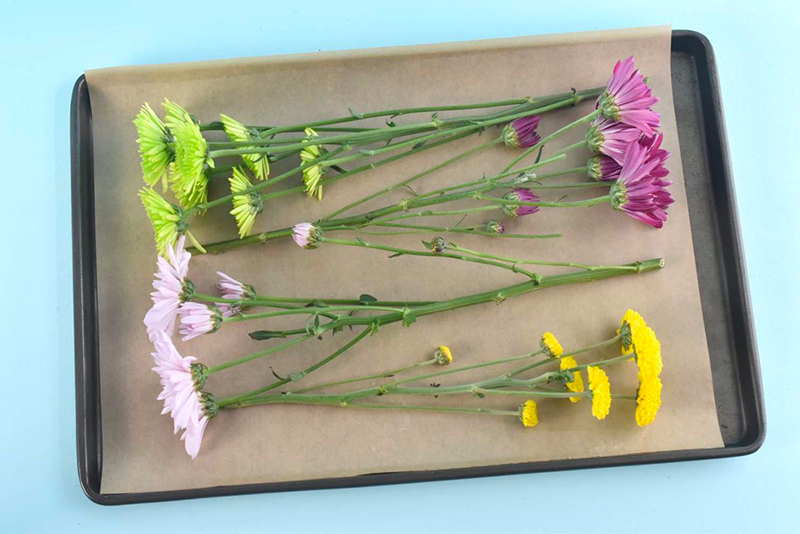
Drying flowers is a popular method for preserving their beauty and fragrance, allowing them to be used in various crafts, decorations, and potpourri. One of the most efficient ways to dry flowers is by using a food dehydrator. In this article, we will explore how to effectively dry flowers using a food dehydrator, the benefits of this method, tips for success, and some frequently asked questions.
The Advantages of Using a Food Dehydrator
Using a food dehydrator for drying flowers offers several advantages:
- Speed: Dehydrators can dry flowers in a matter of hours, significantly faster than air drying or other methods.
- Preservation of Color and Shape: Unlike other drying methods that may cause flowers to lose their color or shape, dehydrators maintain the integrity of the flowers.
- Bulk Drying: Dehydrators allow you to dry multiple flowers at once, making it ideal for large batches.
- Controlled Environment: You can set specific temperatures and times, ensuring consistent results.
Choosing the Right Flowers
Not all flowers are suitable for drying. It's essential to select blooms that retain their shape and color when dried. Some popular choices include:
- Roses
- Lavender
- Zinnias
- Baby's breath
- Marigolds
However, don't limit yourself to these options. Experiment with different flowers to find your favorites. Keep in mind that flowers with high water content, like lilies and tulips, may not dry well in a food dehydrator.
How to Dry Flowers Using a Food Dehydrator
Step 1: Gather Your Materials
To start drying flowers in a food dehydrator, you will need:
- Fresh flowers at full bloom (e.g., roses, lavender, daisies)
- A food dehydrator
- Scissors or garden pruners
- Optional: Mod Podge or hairspray for sealing
Step 2: Prepare the Flowers
1. Select Fresh Flowers: Choose flowers that are fully bloomed but not wilting. Early morning is the best time to pick them after the dew has dried.
2. Trim the Stems: Cut the stems short (about an inch) to prevent them from touching other flowers during drying.
3. Remove Leaves: Strip any leaves from the stems to ensure they do not interfere with airflow in the dehydrator.
Step 3: Arrange the Flowers in the Dehydrator
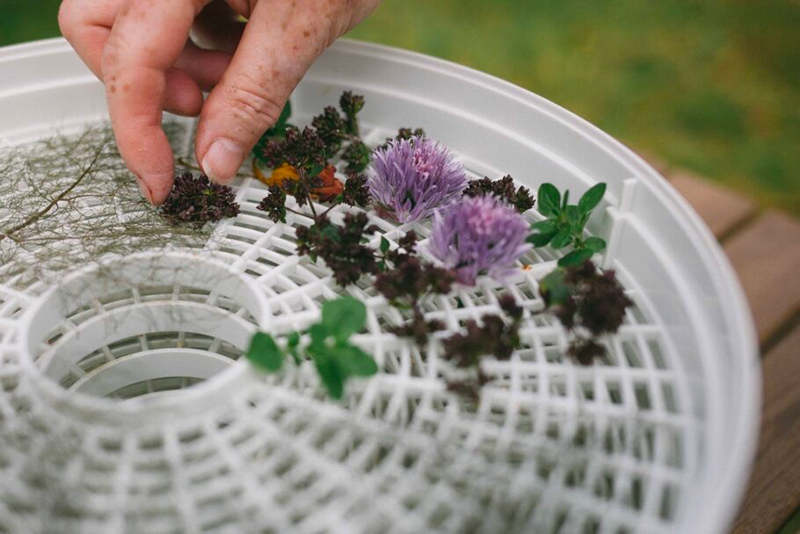
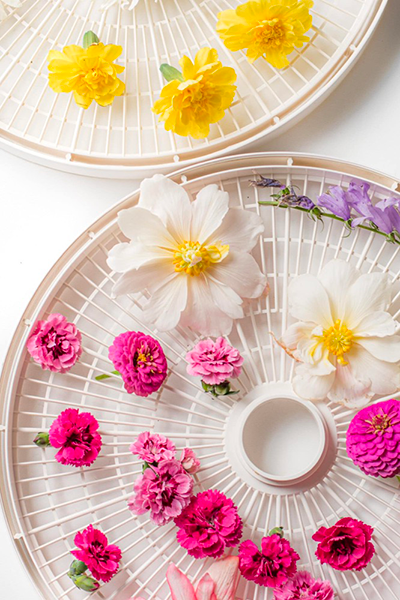
1. Spread Evenly: Place the flower heads on the dehydrator trays in a single layer without overlapping. This allows for adequate airflow and even drying.
2. Adjust Tray Positioning: If your dehydrator has multiple trays, consider rotating them every couple of hours to ensure consistent drying across all levels.
Step 4: Set the Temperature and Time
1. Temperature Settings: Most flowers dry well at around 135°F (57°C). However, delicate flowers may require lower temperatures (around 95°F or 35°C), while thicker petals may need higher settings (up to 125°F or 52°C).
2. Drying Time: Depending on the type and size of the flowers, drying can take anywhere from 4 to 12 hours. Check periodically for dryness; flowers should feel crisp but not brittle.
Drying Techniques
There are several techniques you can use when drying flowers in a food dehydrator:
Single Layer Method
This technique works best for larger, sturdy flowers such as roses and sunflowers.
- Arrange the flowers individually on the dehydrator trays, ensuring there is enough space between them for sufficient air circulation.
- Set the dehydrator to the lowest temperature (around 95°F or 35°C) to prevent any heat damage.
- Leave the flowers to dry for several hours, checking periodically for dryness. Smaller flowers may dry in as little as 4 hours, while larger blooms can take up to 12 hours.
Bundled Method
Ideal for smaller or delicate blooms that may lose their shape during drying.
- Gather a small bunch of flowers and secure them with a rubber band or string, ensuring they are loosely tied to prevent crushing.
- Hang the bundled flowers upside down from the dehydrator trays or use additional hooks or clips.
- Set the dehydrator to a low temperature for gentle drying.
- Check regularly and adjust drying time based on size and moisture content; this method generally takes 3–5 days.
Silica Gel Method
Useful when preserving flowers with intricate shapes or fragile petals.
- Fill a container or tray with a layer of silica gel, enough to fully cover the flowers.
- Trim the stems of the flowers and place them in the container without touching each other.
- Carefully sprinkle more silica gel over the flowers until they are completely covered while avoiding direct contact between petals.
- Seal the container with an airtight lid and place it in the dehydrator.
- Set it at a low temperature for approximately 2–4 days depending on flower type and size; silica gel will absorb moisture effectively.
Maintaining Colors and Shapes
To maintain vibrant colors and shapes of your dried flowers:
- Handle them gently during preparation and placement in the dehydrator.
- Avoid direct sunlight during drying as it can fade colors.
- Consider sealing your dried flowers with Mod Podge or hairspray after they have dried completely; this helps preserve their color and prevents moisture absorption.
Creative Uses for Dried Flowers
Dried flowers can be utilized in various creative projects:
- Potpourri: Combine dried petals with essential oils for fragrant potpourri.
- Craft Projects: Use dried blooms in scrapbooking or card making.
- Home Decor: Create beautiful arrangements in vases or frames.
- Gift Wrapping: Add dried flower accents to gift packages for a personal touch.
Exploring More Flower Types Suitable for Drying
When selecting which types of flowers to dehydrate, consider their water content as well as their structural integrity post-drying:
- Statice: Known for its papery texture which retains color beautifully; perfect for arrangements.
- Celosia: Comes in various shapes; retains its form well when dried upside down.
- Globe Amaranth: Offers vibrant colors; dries quickly while maintaining its round shape.
Experimenting with these varieties can lead you not only to find favorites but also discover unique combinations that enhance your floral projects!
Craft Projects Using Dried Flowers
Dried florals can transform ordinary items into extraordinary keepsakes:
1. Floral Wreaths: Create seasonal wreaths using assorted dried blooms; perfect as gifts or home decor.
2. Framed Art Pieces: Pressed dried flower arrangements framed behind glass make stunning wall art.
3. Scented Sachets: Combine dried petals with lavender or other herbs in small fabric bags; ideal for closets or drawers.
4. Handmade Cards: Use pressed blooms as embellishments on cards; adds a personal touch especially during special occasions like weddings or anniversaries.
Tips on Maintaining Freshness Post-Drying
To ensure your dried creations last longer:
- Store them away from direct sunlight which can fade colors over time.
- Keep them in airtight containers if possible; this helps prevent moisture reabsorption which could lead to mold growth.
Conclusion
Drying flowers in a food dehydrator is an efficient method that preserves their beauty for various uses. By following these steps and keeping an eye on your blooms during drying, you can achieve stunning results that enhance your crafts and home decor. Experiment with different types of flowers and techniques to discover what works best for you!
FAQ
1. What types of flowers are best for drying in a food dehydrator?
Some of the best options include roses, lavender, daisies, hydrangeas, and zinnias. These tend to retain their color and shape well during drying.
2. How long does it typically take to dry flowers in a dehydrator?
The drying time can range from 4 to 12 hours depending on flower type and size. It's important to check them periodically for optimal dryness.
3. Can I use my food dehydrator for both food and flowers?
While it's possible, it's recommended to use separate trays for food and flowers due to potential lingering scents from dried blooms that could affect future food items.
4. What temperature should I set my dehydrator for different types of flowers?
A general guideline is:
- Delicate flowers (e.g., pansies): 95°F (35°C)
- Medium-sized flowers (e.g., zinnias): 135°F (57°C)
- Thick-petaled flowers (e.g., roses): Up to 125°F (52°C)
5. How can I maintain the color of my dried flowers?
To maintain color, avoid direct sunlight during drying and consider sealing them with Mod Podge or hairspray after they have dried completely.
Citations:
[1] https://www.aimheatpump.com/a-news-how-to-dry-flowers-in-a-food-dehydrator
[2] https://www.thefarmerscupboard.com/blogs/prepare-preserve/how-to-dry-flowers-out
[3] https://www.growcreatesip.com/blog/dehydrating-flowers-fruits-botanicals-for-diy-herbal-tea
[4] https://www.littleyellowwheelbarrow.com/how-to-dry-flowers/
[5] https://excaliburdehydratorsaustralia.com/blogs/avalon/don-t-hurry-don-t-worry-and-be-sure-to-smell-the-flowers-along-the-way
[6] https://www.floretflowers.com/discovering-dried-flowers/
[7] https://www.floraly.com.au/blogs/news/how-to-dry-flowers-quickly-on-a-time-budget
[8] https://www.youtube.com/watch?v=F6O-7mtEFrM
[9] https://www.commercialdehydrators.co.uk/dehydrating-recipes/dehydrated-flowers
[10] https://www.hotbot.com/answers/how-to-dry-flowers


