Content Menu
● Understanding Food Dehydrators
>> How Food Dehydrators Work
● The Drying Process for Cannabis
>> Steps to Dry Cannabis Using a Food Dehydrator
● Pros of Using a Food Dehydrator for Cannabis
● Cons of Using a Food Dehydrator for Cannabis
● The Science Behind Drying Cannabis
>> Importance of Temperature Control
● Tips for Successful Drying with a Food Dehydrator
● Alternative Methods for Drying Cannabis
>> Traditional Hanging Method
>> Brown Paper Bag Method
>> Freeze Drying
● Additional Considerations When Using a Food Dehydrator
>> Experimentation with Different Strains
● Long-Term Storage of Dried Cannabis
● Final Thoughts on Using Food Dehydrators
● Conclusion
● FAQ
>> 1. Can I dry weed quickly in a food dehydrator?
>> 2. What is the ideal temperature for drying cannabis?
>> 3. How long does it take to dry weed in a dehydrator?
>> 4. Is it safe to use a food dehydrator for cannabis?
>> 5. What should I do after drying my weed?
● Citations:
The question of whether you can dry weed in a food dehydrator has gained traction among cannabis enthusiasts. While food dehydrators are designed to remove moisture from various foods, their effectiveness and safety for drying cannabis buds remain subjects of debate. This article will explore the mechanics of food dehydrators, the process of drying cannabis, and the pros and cons of using this method.
Understanding Food Dehydrators
Food dehydrators are appliances that remove moisture from food to prevent spoilage. They work by circulating warm air at low temperatures, typically between 85°F to 160°F (29°C to 71°C). This process preserves the food's nutrients while extending its shelf life without the need for preservatives.
How Food Dehydrators Work
- Air Circulation: Dehydrators use fans to circulate air around the food, ensuring even drying.
- Temperature Control: Many models allow users to set specific temperatures, which is crucial for different types of food.
- Moisture Removal: By reducing moisture content to between 5% and 20%, dehydrators inhibit the growth of bacteria and mold.
The Drying Process for Cannabis
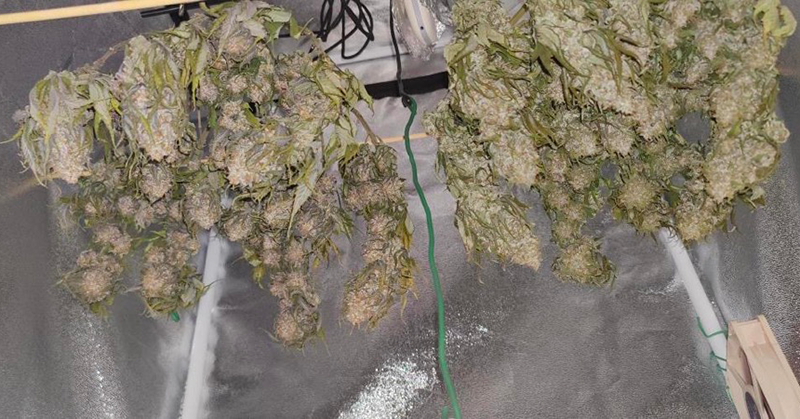
Drying cannabis is essential for activating cannabinoids and enhancing flavor. Properly dried weed can improve potency and shelf life. The traditional method involves hanging buds in a dark, cool place with good airflow, which can take about one to two weeks. However, some users consider using a food dehydrator for quicker results.
Steps to Dry Cannabis Using a Food Dehydrator
1. Harvesting and Trimming: Cut your cannabis plants and trim away excess leaves.
2. Preparing the Dehydrator: Clean the dehydrator thoroughly to eliminate any residual odors or bacteria. Set the temperature between 95°F to 115°F (35°C to 46°C) to preserve cannabinoids and terpenes.
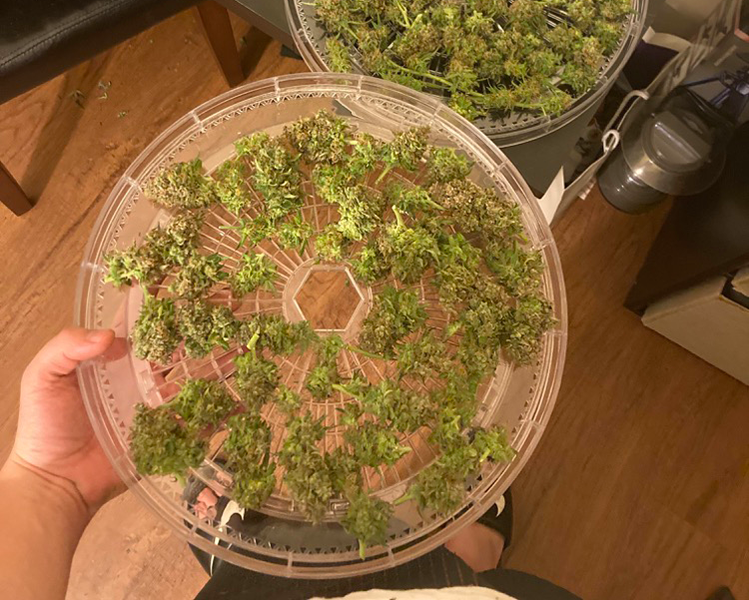
3. Arranging the Buds: Place buds evenly on the trays, ensuring adequate space for airflow.
4. Monitoring the Process: Check regularly; drying may take 3-7 days depending on humidity and bud density.
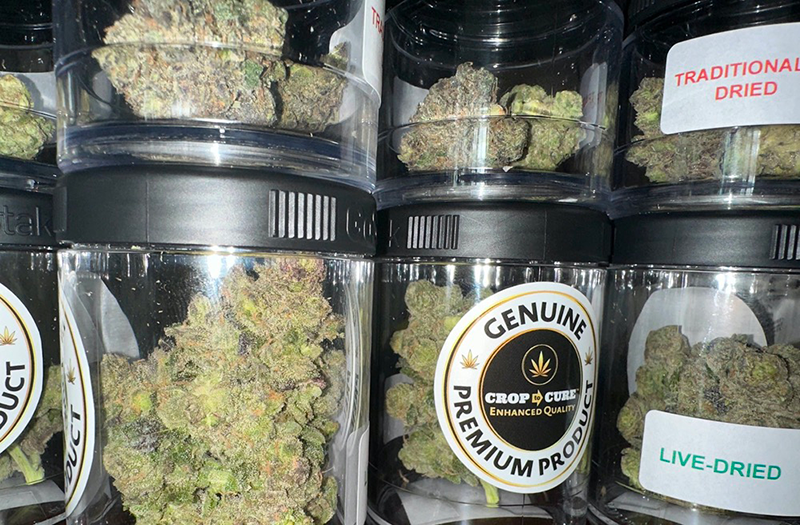
5. Curing the Dried Buds: After drying, cure the buds in glass jars stored in a cool, dark place.
Pros of Using a Food Dehydrator for Cannabis
- Controlled Environment: Dehydrators provide a stable temperature and airflow, which can help achieve uniform drying.
- Time Efficiency: Compared to traditional methods, using a dehydrator can significantly reduce drying time.
- Convenience: For those who lack space or conditions for traditional drying, a dehydrator offers a practical solution.
Cons of Using a Food Dehydrator for Cannabis
- Potential Loss of Potency: The heat from dehydrators can degrade cannabinoids and terpenes, potentially reducing the potency and flavor of the final product.
- Odor Issues: The strong aroma of cannabis may linger in the dehydrator, affecting future uses with other foods.
- Not Ideal for All Strains: Some strains may react poorly to the heat, resulting in a less desirable product.
The Science Behind Drying Cannabis
Understanding how moisture affects cannabis is crucial. Freshly harvested cannabis contains about 75-80% moisture. During drying, this moisture content must be reduced to about 10-15% for optimal storage conditions. This process not only makes the buds smokable but also activates cannabinoids like THC through decarboxylation—transforming THCA into THC when exposed to heat during smoking or vaporization.
Importance of Temperature Control
Maintaining an appropriate temperature during drying is critical. High temperatures can lead to rapid moisture loss but may also degrade delicate terpenes that contribute to flavor and aroma. Ideally, temperatures should be kept low enough to prevent this degradation while still facilitating moisture removal efficiently.
Tips for Successful Drying with a Food Dehydrator
To ensure you achieve optimal results when using a food dehydrator for drying cannabis:
- Use Low Heat Settings: Always opt for lower settings (around 95°F - 115°F) to minimize cannabinoid degradation.
- Avoid Overcrowding: Place buds on trays without overcrowding them; this ensures proper airflow and even drying.
- Rotate Trays Regularly: If your dehydrator has multiple trays, rotate them periodically to ensure uniform drying across all buds.
- Monitor Closely: Check on your buds frequently during the process; small buds may dry faster than larger ones.
Alternative Methods for Drying Cannabis
While food dehydrators offer one method of drying cannabis quickly, there are several other techniques that growers often use:
Traditional Hanging Method
This is perhaps the most widely used method among growers:
- Hang trimmed branches upside down in a dark room with good ventilation.
- Maintain temperatures around 60°F - 70°F (15°C - 21°C) with humidity levels around 50% - 55%.
Brown Paper Bag Method
For smaller batches or quick drying:
- Place trimmed buds in brown paper bags.
- Store them in a cool, dark area while checking daily for dryness.
Freeze Drying
Considered one of the best methods for preserving quality:
- This technique involves freezing cannabis before removing moisture through sublimation.
- It retains cannabinoids and terpenes better than traditional methods but requires specialized equipment.
Additional Considerations When Using a Food Dehydrator
When considering whether or not to use a food dehydrator for drying cannabis, it's important also to think about your personal preferences regarding flavor profiles and potency retention. Many users report varying experiences based on their specific strains and growing conditions; thus experimentation may yield different results depending on individual circumstances.
Experimentation with Different Strains
Different strains of cannabis have unique characteristics that can influence how they respond to various drying methods:
- Indica vs Sativa: Indica strains tend to have denser buds which may require longer drying times compared to lighter sativa strains that might dry more quickly.
- High Terpene Content Strains: Strains known for their high terpene profiles might suffer more significantly from heat exposure during dehydration; therefore careful monitoring becomes even more critical when using this method.
Long-Term Storage of Dried Cannabis
Once you've successfully dried your cannabis using any method—including a food dehydrator—proper storage becomes essential:
1. Glass Jars vs Plastic Bags: Glass jars are preferred as they are airtight and help prevent moisture buildup compared to plastic bags which may allow air exchange leading to potential mold growth over time.
2. Cool Dark Places: Store your jars in cool dark places away from direct sunlight which can degrade cannabinoids over time.
3. Humidity Packs: Consider using humidity control packs designed specifically for cannabis storage; these help maintain optimal humidity levels inside jars preventing overdrying or mold formation.
4. Regular Burping: During curing—typically lasting several weeks—open jars daily (known as "burping") allows trapped gases from curing processes escape while also letting fresh air circulate within jars promoting even curing throughout all buds inside.
5. Check Regularly For Mold Or Mildew: Always inspect stored product regularly; if any signs appear—such as unusual smells or visible mold—immediate action should be taken either by discarding affected products or re-drying them if feasible before resealing again properly into storage containers!
Final Thoughts on Using Food Dehydrators
Ultimately deciding whether or not you should use a food dehydrator depends largely upon personal preference regarding convenience versus quality preservation concerns associated with traditional methods versus expedited processes offered through modern appliances like these!
While some growers find success utilizing these devices effectively—yielding potent flavorful results—others prefer sticking strictly adhering tried-and-tested practices ensuring maximum quality retention throughout entire lifecycle from harvest through final storage stages!
As always—experiment cautiously while keeping detailed notes documenting each step along way so adjustments can be made future grows based upon findings observed during current experiences!
Conclusion
While you can technically dry weed in a food dehydrator, it comes with significant caveats regarding potency and flavor preservation. Traditional methods remain preferred by many experienced growers who value quality over speed. If you choose to use a dehydrator, be mindful of temperature settings and monitor your buds closely.
FAQ
1. Can I dry weed quickly in a food dehydrator?
Yes, but it may compromise potency and flavor due to heat exposure.
2. What is the ideal temperature for drying cannabis?
The recommended temperature range is between 95°F to 115°F (35°C to 46°C).
3. How long does it take to dry weed in a dehydrator?
Typically, it takes about 3-7 days depending on humidity and bud density.
4. Is it safe to use a food dehydrator for cannabis?
While it's technically safe, it may degrade cannabinoids and terpenes.
5. What should I do after drying my weed?
Cure your dried buds by storing them in glass jars in a cool, dark place.
Citations:
[1] https://www.aimheatpump.com/a-news-can-you-use-a-food-dehydrator-to-dry-weed
[2] https://www.aimheatpump.com/a-news-can-you-dry-marijuana-in-a-food-dehydrator
[3] https://www.reddit.com/r/microgrowery/comments/9yp1ei/can_i_dry_weed_in_a_dehydrator/
[4] https://www.theoriginalresinator.com/blog/cannabis-drying-methods/
[5] https://www.thcfarmer.com/threads/is-using-a-dehydrator-to-dry-buds-kosher.10167/
[6] https://www.rollitup.org/t/can-you-dry-weed-in-a-food-dehydrator-to-save-time.111721/
[7] https://www.royalqueenseeds.com/blog-how-to-dry-cannabis-quickly-n821
[8] https://pmc.ncbi.nlm.nih.gov/articles/PMC9404914/
[9] https://www.growweedeasy.com/review-herbsnow-dryer-for-drying-cannabis
[10] https://www.reddit.com/r/microgrowery/comments/1cz29su/food_dehydrators_for_drying_cannabis_not_as_evil/


