Content Menu
● Understanding Freeze Drying and Dehydration
● Can You Use a Food Dehydrator to Freeze Dry Candy?
● Step-by-Step Guide: Freeze Drying Candy with a Food Dehydrator
>> 1. Selecting the Candy
>> 2. Preparing the Candy
>> 3. Setting Up the Dehydrator
>> 4. Initiating the Process
>> 5. Checking for Dryness
>> 6. Storing the Freeze-Dried Candy
● Benefits of Using a Food Dehydrator
● Limitations of Using a Food Dehydrator for Freeze Drying
● Additional Tips for Successful Dehydration
>> Proper Preparation
>> Cut Uniformly
>> Monitor Temperature
>> Experiment with Different Candies
● Creative Uses for Dehydrated Candy
● Exploring More About Food Dehydrators
>> Nutritional Benefits of Dehydrated Foods
>> Versatility Beyond Snacks
● Cost Savings Over Time
● Environmental Impact Reduction
● Conclusion
● FAQs
>> 1. What types of candy work best for dehydration?
>> 2. How long does it take to dehydrate candy?
>> 3. Can I use chocolate or caramel candies?
>> 4. How should I store my dehydrated candy?
>> 5. Is there any difference between homemade dehydrated candy and store-bought freeze-dried candy?
● Citations:
Food dehydrators have gained popularity in recent years as versatile kitchen appliances that help preserve food by removing moisture. While they are excellent for dehydrating fruits, vegetables, and meats, a common question arises: Can you freeze dry candy in a food dehydrator? This article will explore the differences between freeze drying and dehydration, the feasibility of using a food dehydrator for freeze-drying candy, and provide a comprehensive guide on how to achieve the best results.
Understanding Freeze Drying and Dehydration
To understand whether you can freeze dry candy using a food dehydrator, it's essential to grasp the differences between these two processes.
Freeze Drying:
- Process: Freeze drying involves freezing the food at extremely low temperatures and then placing it in a vacuum chamber. This process allows the frozen moisture in the food to transition directly from a solid state to a gaseous state, bypassing the liquid phase.
- Outcome: The result is a dry product that retains its original shape, flavor, and nutritional value. Freeze-dried candy has a light, crispy texture that is significantly different from its original form.
Dehydration:
- Process: Dehydration uses heat to remove moisture from food over an extended period. Food dehydrators circulate warm air around the food, gradually evaporating moisture.
- Outcome: The final product is often shriveled and chewy rather than crispy. Dehydrated foods can lose some of their original flavor and nutrients compared to freeze-dried counterparts.
Can You Use a Food Dehydrator to Freeze Dry Candy?
While it may be tempting to use a food dehydrator for freeze drying candy, it is important to note that these appliances are not designed for that specific purpose. The lack of a vacuum chamber and the inability to reach the extremely low temperatures required for true freeze drying means that:
- Not Ideal for Freeze Drying: A food dehydrator can effectively remove moisture but cannot replicate the freeze-drying process. Therefore, while you can attempt to mimic freeze-drying with a dehydrator, the results will not be identical to commercially freeze-dried candy.
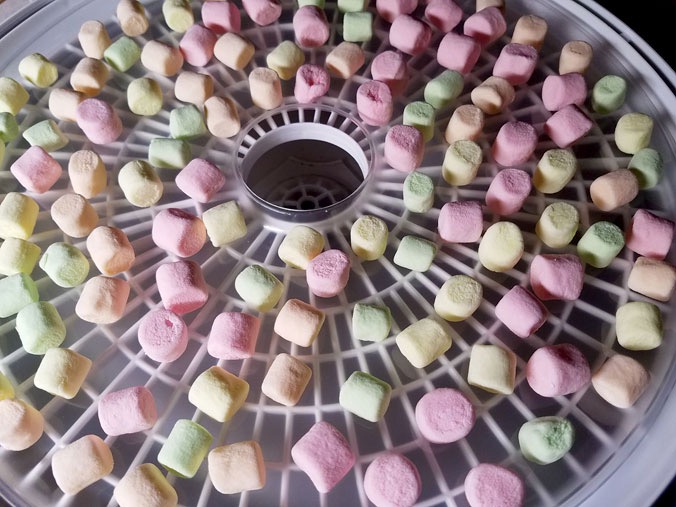
- Partial Results: You can achieve somewhat similar textures with specific candies (like gummies or marshmallows) by using a dehydrator, but they will not have the same lightness or shelf stability as true freeze-dried candies.
Step-by-Step Guide: Freeze Drying Candy with a Food Dehydrator
If you're interested in experimenting with your food dehydrator to create candy with a similar texture to freeze-dried treats, follow these steps:
1. Selecting the Candy
Choose candies that are suitable for this process. Some good options include:
- Gummy bears
- Marshmallows
- Hard candies
- Fruit-flavored candies
Avoid candies with high liquid or fat content, such as chocolate or caramel.
2. Preparing the Candy
Before placing your chosen candy in the dehydrator:
- Remove any wrappers.
- Arrange them on parchment paper on the dehydrator trays in a single layer, ensuring they do not touch each other for optimal airflow.
3. Setting Up the Dehydrator
Set your food dehydrator to its lowest temperature setting, ideally between 95°F and 110°F (35°C - 43°C).
4. Initiating the Process
Start the dehydrator and allow it to run for an extended period—typically between 24 to 48 hours depending on humidity levels and candy type.
5. Checking for Dryness
Periodically check your candy for dryness:
- Test its texture by touching or breaking a piece.
- The candy should be dry and brittle when ready.
6. Storing the Freeze-Dried Candy
Once fully dried:
- Allow it to cool.
- Store in airtight containers or bags to prevent moisture re-entry.
Benefits of Using a Food Dehydrator
Using a food dehydrator offers several advantages:
- Extended Shelf Life: Dehydrating helps inhibit bacterial growth and spoilage.
- Nutrient Retention: Unlike some preservation methods that degrade nutritional value, dehydration preserves essential vitamins and minerals.
- Cost-Effective: Making your dried snacks at home is often cheaper than buying pre-packaged goods.
- Convenience: Dehydrators are versatile; you can dry fruits, vegetables, herbs, and even make jerky.
Limitations of Using a Food Dehydrator for Freeze Drying
While you can use a food dehydrator to create similar textures in candy, there are limitations:
- Texture Differences: The resulting texture will differ from true freeze-dried products; they may be chewier rather than crispy.
- Flavor Changes: Some flavors may become more concentrated while others may diminish during dehydration.
Additional Tips for Successful Dehydration
To maximize your success when using a food dehydrator for candy or other foods, consider these tips:
Proper Preparation
Ensure all surfaces and equipment are clean before starting. This prevents contamination during dehydration.
Cut Uniformly
For even drying, cut your candies into uniform pieces if necessary. This ensures consistent results across all pieces.
Monitor Temperature
Keep an eye on the temperature settings throughout the process. Too high of temperatures can lead to case hardening where moisture is trapped inside.
Experiment with Different Candies
Try different types of candies to see which ones yield better results. Gummy candies tend to work well due to their lower fat content compared to chocolates.
Creative Uses for Dehydrated Candy
Dehydrated candy isn't just meant for snacking; it can also be used creatively in various recipes:
- Toppings: Use dehydrated candies as toppings for ice cream or yogurt.
- Baking Ingredients: Incorporate them into cookies or cakes for added flavor and texture.
- Trail Mix: Combine them with nuts and dried fruits for an exciting trail mix blend.
Exploring More About Food Dehydrators
Food dehydrators are not only useful for making snacks like dried fruits or vegetables but also serve multiple culinary purposes that enhance meal preparation and preservation strategies at home.
Nutritional Benefits of Dehydrated Foods
One significant advantage of using food dehydrators is their ability to retain nutrients effectively compared to other preservation methods like canning or freezing. When foods are dried at low temperatures:
- They maintain higher levels of vitamins such as Vitamin C found abundantly in fruits.
- Minerals remain intact since dehydration does not involve boiling water which could leach out nutrients.
This makes dried fruits an excellent option for healthy snacking without added sugars or preservatives commonly found in store-bought snacks.
Versatility Beyond Snacks
Food dehydrators allow users not just limited options but also versatility across various culinary applications:
- Herbs Preservation: Fresh herbs can be dried quickly using low heat settings which intensify their flavors making them perfect seasonings later on.
- Vegetable Chips: Create healthy alternatives by slicing vegetables thinly (like zucchini or kale) before drying them into crispy chips seasoned lightly with salt or spices.
- Fruit Leathers: Blend fruits into purees then spread onto trays before drying them into chewy fruit leathers—a delightful treat loved by kids!
Cost Savings Over Time
Investing in quality food dehydrators pays off significantly over time through cost savings associated with buying bulk produce during harvest seasons which can then be preserved effectively rather than going bad quickly if left fresh:
- Buying seasonal fruits/vegetables when prices drop allows users access without worrying about spoilage.
- Homemade snacks eliminate reliance on expensive pre-packaged items found at stores—saving money while promoting healthier eating habits overall!
Environmental Impact Reduction
Using food dehydrators contributes positively towards environmental sustainability efforts by reducing waste generated from spoiled produce:
- Instead of throwing away excess fruits/vegetables because they're nearing expiration dates—dehydrate them instead!
This practice not only minimizes waste but also encourages mindful consumption habits where individuals appreciate seasonal produce more fully throughout its lifecycle—from purchase through preservation until consumption!
Conclusion
In summary, while you cannot truly freeze dry candy using a food dehydrator due to fundamental differences in processes, you can achieve somewhat similar results with certain types of candies. By following the outlined steps and understanding both methods' limitations and benefits, you can experiment with creating unique treats at home.
For those looking for an alternative method of preserving their favorite candies or exploring new textures, using a food dehydrator is an excellent way to get started on your culinary adventures!
FAQs
1. What types of candy work best for dehydration?
Candies like gummy bears, marshmallows, hard candies, and fruit-flavored sweets work best due to their lower liquid content.
2. How long does it take to dehydrate candy?
Dehydrating candy typically takes between 24 to 48 hours depending on humidity levels and type of candy used.
3. Can I use chocolate or caramel candies?
It is not recommended as high-fat content candies do not dehydrate well and may result in undesirable textures.
4. How should I store my dehydrated candy?
Store your dehydrated candy in airtight containers or bags in a cool, dry place to maintain freshness.
5. Is there any difference between homemade dehydrated candy and store-bought freeze-dried candy?
Yes, homemade dehydrated candy will likely have different textures and flavors compared to commercially freeze-dried products due to variations in processing methods.
Citations:
[1] https://etsolutions.in/10-amazing-benefits-of-electrical-food-dehydrator-machines/
[2] https://www.youtube.com/watch?v=eQzZ1w1C3qY
[3] https://www.freshoffthegrid.com/dehydrating-food/
[4] https://www.webstaurantstore.com/guide/741/food-dehydrators-buying-guide.html
[5] https://misterchef.co.uk/how-to-freeze-dry-candy-with-a-dehydrator/
[6] https://www.campkitchen.ca/blog/dehydrating-basics
[7] https://www.bestbuy.com/discover-learn/10-reasons-to-buy-a-food-dehydrator/pcmcat1634332391134
[8] https://candyjan.com/blogs/news/can-you-make-freeze-dried-candy-in-a-dehydrator
[9] https://homesteadingfamily.com/preservation-101-intro-to-dehydrating-food/
[10] https://www.dryeratech.com/can-you-make-freeze-dried-candy-in-a-food-dehydrator.html


