Content Menu
● Introduction
● Understanding Dry Dog Food Machines
>> How Dry Dog Food Machines Work
● Benefits of Using Dry Dog Food Machines
>> 1. Consistency and Quality Control
>> 2. Increased Efficiency and Production Capacity
>> 3. Customization Options
>> 4. Improved Nutrient Retention
>> 5. Enhanced Food Safety
● Key Components of a Dry Dog Food Machine
>> 1. Mixer
>> 2. Extruder
>> 3. Cutter
>> 4. Dryer
>> 5. Coater
● Choosing the Right Dry Dog Food Machine
>> 1. Production Capacity
>> 2. Versatility
>> 3. Energy Efficiency
>> 4. Ease of Cleaning and Maintenance
>> 5. Technical Support and Spare Parts Availability
● The Future of Dry Dog Food Production
>> 1. AI-Powered Formulation
>> 2. Sustainable Production Methods
>> 3. Personalized Nutrition
>> 4. Enhanced Quality Control
● Conclusion
● Frequently Asked Questions
>> Q1: What are the main advantages of using a dry dog food machine?
>> Q2: How does the extrusion process in a dry dog food machine benefit the final product?
>> Q3: Can dry dog food machines produce different types of kibble?
>> Q4: How do dry dog food machines ensure the nutritional quality of the product?
>> Q5: Are there eco-friendly options for dry dog food production?
Introduction
In the ever-evolving world of pet care, the demand for high-quality, nutritious dog food has never been higher. Pet owners are increasingly conscious of what goes into their furry friends' bowls, leading to a surge in interest in dry dog food machines. These innovative devices, also known as automatic dog food extruders or pet food processing equipment, have revolutionized the way we produce kibble for our canine companions. In this comprehensive guide, we'll explore the ins and outs of dry dog food machines, their benefits, and how they're shaping the future of pet nutrition.
Understanding Dry Dog Food Machines
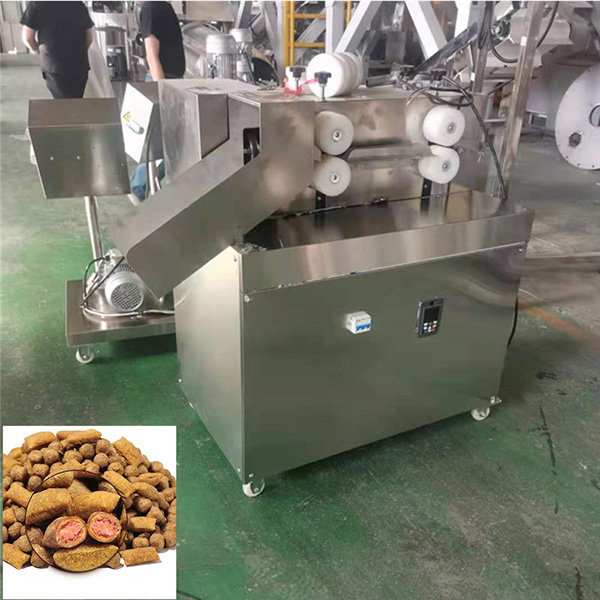
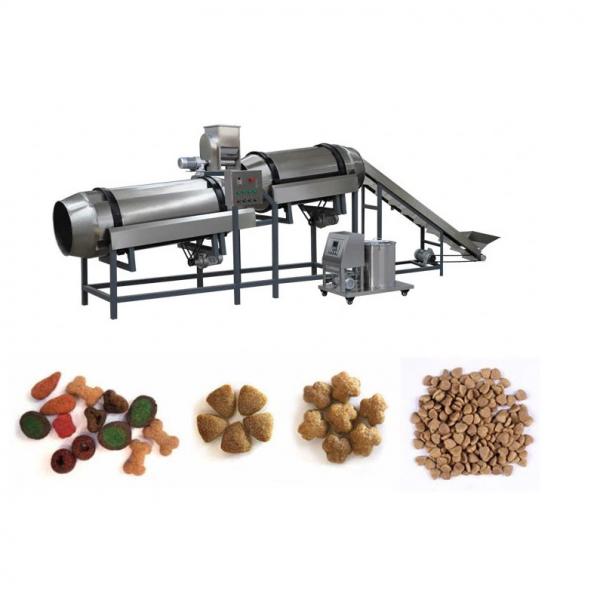
Dry dog food machines, or dog food manufacturing machinery, are sophisticated pieces of equipment designed to produce high-quality kibble on a large scale. These machines are the backbone of commercial pet food production, enabling manufacturers to create consistent, nutritious, and shelf-stable dog food products.
How Dry Dog Food Machines Work
The process of creating dry dog food using these machines is a marvel of modern engineering. Here's a step-by-step breakdown of how a typical dry pet food making machine operates:
1. Ingredient Mixing: Raw ingredients, including proteins, grains, vitamins, and minerals, are precisely measured and combined in a large mixing chamber.
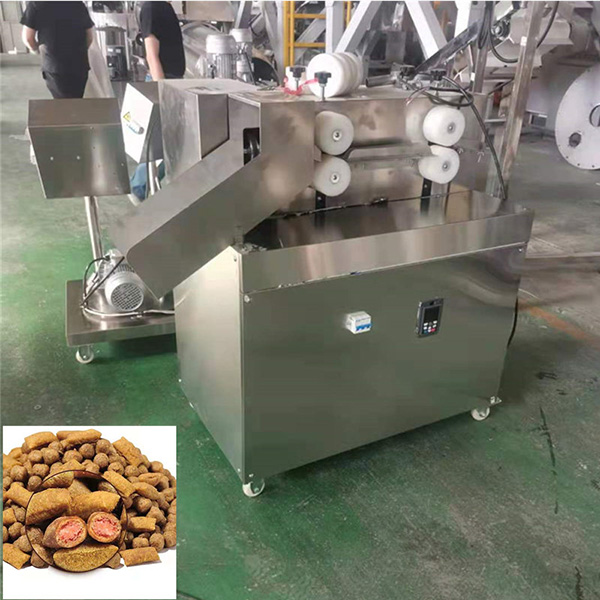
2. Extrusion: The mixture is then fed into an extruder, which is the heart of the dog food manufacturing machinery. This component uses heat and pressure to cook the ingredients while shaping them into small, uniform pieces.
3. Cutting: As the cooked mixture exits the extruder, rotating blades cut it into bite-sized kibble pieces.
4. Drying: The freshly cut kibble then passes through a drying chamber, which removes excess moisture to ensure a long shelf life.
5. Coating: Finally, the dried kibble is sprayed with a mixture of fats, oils, and flavor enhancers to improve taste and nutritional value.
This entire process is carefully controlled and monitored to ensure consistency and quality in every batch of dog food produced.
Benefits of Using Dry Dog Food Machines
The adoption of industrial kibble production lines and automated pet food production systems has brought numerous advantages to both manufacturers and pet owners alike.
1. Consistency and Quality Control
One of the primary benefits of using a dog kibble production equipment is the ability to maintain consistent quality across large batches of food. These machines are programmed to precise specifications, ensuring that each piece of kibble contains the exact proportion of nutrients required for optimal canine health.
2. Increased Efficiency and Production Capacity
High-capacity dog food processors can produce vast quantities of kibble in a relatively short time. This efficiency allows manufacturers to meet the growing demand for pet food without compromising on quality or increasing costs significantly.
3. Customization Options
Modern dry dog food machines offer a high degree of customization. Manufacturers can easily adjust recipes, kibble size, and shape to cater to different dog breeds, ages, and dietary requirements. This flexibility is crucial in today's market, where pet owners seek specialized diets for their dogs.
4. Improved Nutrient Retention
The extrusion process used in these machines helps to preserve the nutritional value of the ingredients. The quick cooking and cooling cycle locks in vitamins and minerals, ensuring that the final product is as nutritious as possible.
5. Enhanced Food Safety
Automated pet food production lines minimize human contact with the ingredients, reducing the risk of contamination. Additionally, the high temperatures used in the extrusion process help eliminate harmful bacteria, making the food safer for consumption.
Key Components of a Dry Dog Food Machine
Understanding the various parts of a dry dog food machine is crucial for anyone involved in pet food production. Here are the main components that make up these sophisticated pieces of equipment:
1. Mixer
The mixer is where the magic begins. This component blends all the raw ingredients into a homogeneous mixture, ensuring that each kibble will have a consistent nutritional profile.
2. Extruder
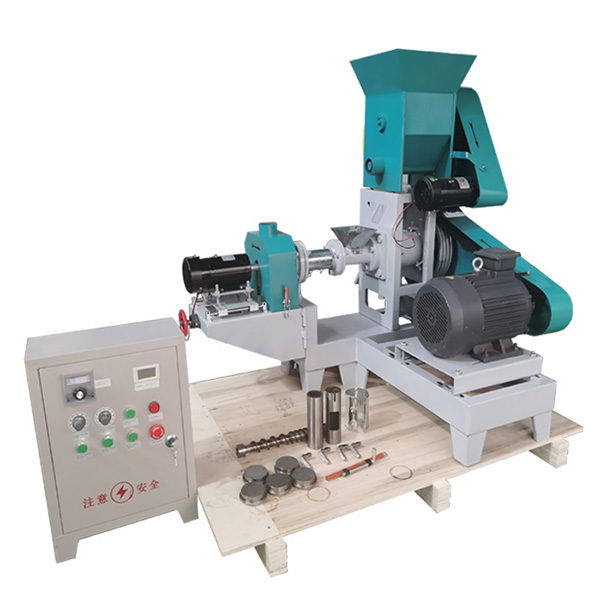
The extruder is the heart of the dog food manufacturing machinery. It cooks and shapes the mixture under high pressure and temperature, creating the characteristic texture of dry dog food.
3. Cutter
As the cooked mixture exits the extruder, the cutter slices it into uniform pieces. The size and shape of the kibble can be adjusted to suit different dog breeds and preferences.
4. Dryer
The dryer removes excess moisture from the kibble, extending its shelf life and creating the crunchy texture that dogs love.
5. Coater
The final step in the process, the coater adds a layer of fats, oils, and flavoring to enhance the taste and nutritional value of the kibble.
Choosing the Right Dry Dog Food Machine
For those considering investing in a dry dog food machine, several factors should be taken into account:
1. Production Capacity
Consider the volume of dog food you need to produce. Industrial kibble production lines come in various sizes, from small-scale operations to massive commercial setups.
2. Versatility
Look for a machine that offers flexibility in terms of recipes and kibble sizes. This will allow you to produce a wider range of products and adapt to changing market demands.
3. Energy Efficiency
Modern pet food extrusion systems are designed with energy efficiency in mind. Opt for a machine that balances high output with low energy consumption to keep operating costs down.
4. Ease of Cleaning and Maintenance
Regular cleaning and maintenance are crucial for food safety and machine longevity. Choose a dry dog food machine that is easy to disassemble and clean.
5. Technical Support and Spare Parts Availability
Ensure that the manufacturer offers reliable technical support and that spare parts are readily available. This will minimize downtime in case of any issues.
The Future of Dry Dog Food Production
As technology continues to advance, we can expect to see even more innovations in the field of dry dog food production. Some exciting developments on the horizon include:
1. AI-Powered Formulation
Artificial intelligence is being integrated into pet food processing equipment to optimize recipes based on the latest nutritional research and individual dog profiles.
2. Sustainable Production Methods
With an increasing focus on sustainability, future dry dog food machines may incorporate more eco-friendly processes and materials, reducing their environmental impact.
3. Personalized Nutrition
Advances in automated pet food production lines may soon allow for small-batch, customized kibble production tailored to individual dogs' specific nutritional needs.
4. Enhanced Quality Control
Emerging technologies like spectroscopy and machine vision are being integrated into dog food manufacturing machinery to provide real-time quality control and ensure consistency across batches.
Conclusion
Dry dog food machines have revolutionized the pet food industry, enabling the production of high-quality, nutritious kibble on a massive scale. From small-scale operations to industrial kibble production lines, these machines offer consistency, efficiency, and customization options that were previously unimaginable.
As pet owners become increasingly discerning about their dogs' nutrition, the role of sophisticated pet food processing equipment will only grow in importance. By understanding the intricacies of these machines and staying abreast of technological advancements, manufacturers can continue to meet and exceed the expectations of pet owners worldwide.
Whether you're a pet food manufacturer looking to upgrade your equipment or a pet owner curious about how your dog's kibble is made, the world of dry dog food machines is fascinating and full of potential. As we look to the future, it's clear that these machines will play a crucial role in ensuring our canine companions receive the best possible nutrition for years to come.
Frequently Asked Questions
Q1: What are the main advantages of using a dry dog food machine?
A1: The main advantages include consistency in quality, increased production efficiency, customization options for different dog breeds and nutritional needs, improved nutrient retention through the extrusion process, and enhanced food safety due to minimal human contact and high-temperature processing.
Q2: How does the extrusion process in a dry dog food machine benefit the final product?
A2: The extrusion process in dog food manufacturing machinery cooks ingredients under high pressure and temperature, which helps to preserve nutrients, improve digestibility, and create a consistent texture. It also helps eliminate harmful bacteria, making the food safer for consumption.
Q3: Can dry dog food machines produce different types of kibble?
A3: Yes, modern pet food extrusion systems are highly versatile. They can be adjusted to produce different kibble sizes, shapes, and recipes to cater to various dog breeds, ages, and dietary requirements.
Q4: How do dry dog food machines ensure the nutritional quality of the product?
A4: Dry dog food machines ensure nutritional quality through precise ingredient mixing, controlled cooking processes, and the ability to add vitamins and minerals during production. Many machines also incorporate real-time quality control measures to maintain consistency across batches.
Q5: Are there eco-friendly options for dry dog food production?
A5: Yes, the pet food industry is increasingly focusing on sustainability. Some modern dog kibble production equipment is designed to be more energy-efficient and produce less waste. Additionally, manufacturers are exploring the use of sustainable ingredients and packaging materials to reduce the environmental impact of pet food production.


