Content Menu
● Introduction to Food Dehydrators
>> Types of Food Dehydrators
● Dehydrating Catnip
>> How to Dehydrate Catnip
>> Benefits of Dehydrating Catnip
● Industrial Food Dehydrators for Various Products
>> Fruits and Vegetables
>> Meat and Jerky
>> Herbs and Spices
● Customization and Innovation
>> Energy Efficiency
>> Quality Control
● Conclusion
● Frequently Asked Questions
>> 1. What is the Best Temperature for Dehydrating Catnip?
>> 2. How Long Does It Take to Dehydrate Catnip?
>> 3. Can I Use a Food Dehydrator for Other Herbs?
>> 4. What Are the Benefits of Using Industrial Food Dehydrators?
>> 5. How Do I Store Dried Catnip?
● Citations:
As a leading Chinese manufacturer of food dehydrators, we provide OEM services to international brands, wholesalers, and producers. In this article, we will explore the process of dehydrating catnip using a food dehydrator, focusing on the time it takes and the benefits of using such machines for various food products.
Introduction to Food Dehydrators
Food dehydrators are versatile appliances used for preserving a wide range of foods, from fruits and vegetables to herbs like catnip. These machines work by circulating hot air to remove moisture from the food, thereby extending its shelf life and enhancing its flavor and texture.
Types of Food Dehydrators
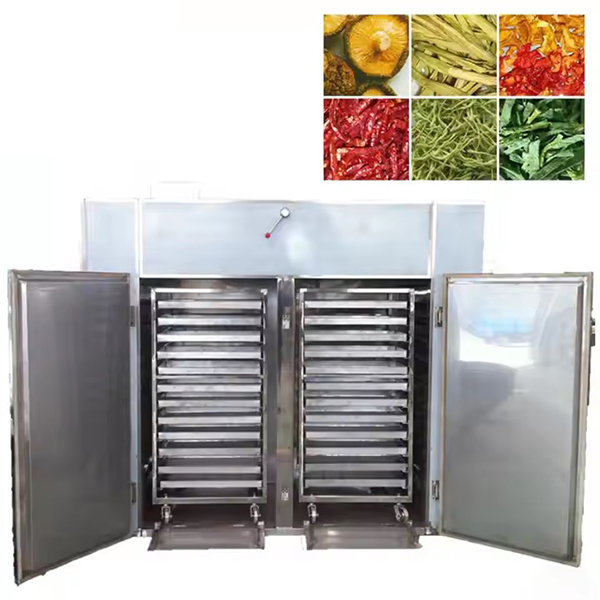
1. Batch Type Dehydrators: These are commonly used for drying fruits, vegetables, and herbs. They come in various sizes, with capacities ranging from 80 kg to 350 kg per batch, depending on the model. Batch dehydrators are ideal for small to medium-sized operations and offer flexibility in terms of temperature and time settings.
2. Conveyor Mesh Belt Dehydrators: These are continuous drying machines ideal for large-scale food production. They are highly customizable to meet specific production needs, such as drying temperature, air flow, and belt speed. This type of dehydrator is efficient for high-volume production lines.
3. Continuous Potato Chips Dryers: Specialized for drying potato chips, these machines use hot air circulation to remove excess moisture and oil. They are designed to produce crispy chips with consistent quality.
Dehydrating Catnip
Catnip, or Nepeta cataria, is a popular herb among cat owners due to its stimulating effects on cats. It can also be used as a calming tea for humans. Dehydrating catnip helps preserve its potency and flavor.
How to Dehydrate Catnip
To dehydrate catnip in a machine, follow these steps:
1. Preparation: Rinse fresh catnip leaves to remove dirt and pat them dry. Break off the leaves from the stems, leaving the stems intact. This helps ensure even drying and prevents the stems from becoming too brittle.
2. Loading the Dehydrator: Place the catnip leaves in a single layer on a mesh tray. Use an additional mesh sheet on top to keep the leaves flat and prevent them from blowing around during the drying process. This setup ensures that all leaves are exposed to the hot air evenly.
3. Drying Settings: Set the dehydrator to its lowest temperature setting, typically around 95°F (35°C). Dry the catnip for 3 to 6 hours, or until it becomes dry and crunchy. The exact time may vary depending on the moisture content of the catnip and the desired level of dryness.
Benefits of Dehydrating Catnip
- Preservation: Dehydrating catnip helps preserve its potency for longer periods. This is especially important for cat owners who want to ensure their pets have access to fresh catnip throughout the year.
- Convenience: Dried catnip can be stored easily and used as needed. It can be added to toys, used in teas, or simply sprinkled on scratching posts.
- Versatility: Dried catnip can be used in teas, toys, or as a treat for cats. It can also be mixed with other herbs for a unique blend.
Industrial Food Dehydrators for Various Products
Beyond catnip, industrial food dehydrators are used for a wide range of products:
Fruits and Vegetables
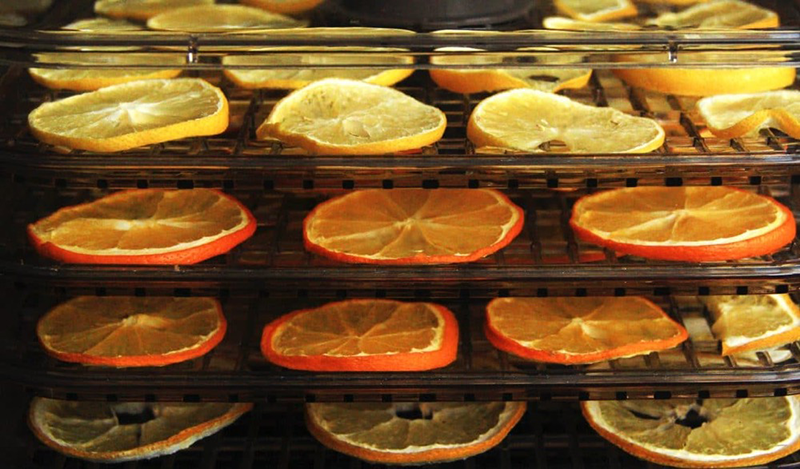
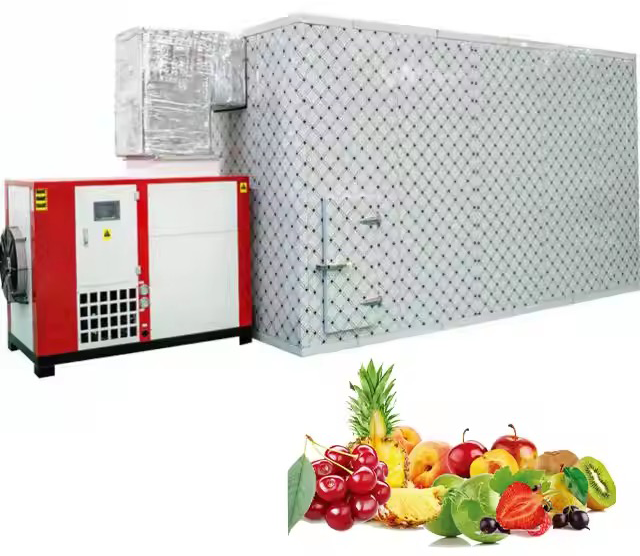
These machines are essential for producing instant noodles, dried fruits, and vegetables. They can handle large quantities, making them ideal for commercial use. Dried fruits like apricots, apples, and mangoes are popular snacks, while dried vegetables are used in soups and stews.
Meat and Jerky
Dehydrators are perfect for making homemade beef jerky or other dried meats. They provide consistent results and can be set to specific temperatures and times. Jerky is a popular snack among outdoor enthusiasts due to its high protein content and long shelf life.
Herbs and Spices
Besides catnip, other herbs like basil, rosemary, and thyme can be dried using these machines. This helps preserve their flavor and aroma for cooking. Dried herbs are essential in many cuisines, adding depth to sauces, soups, and marinades.
Customization and Innovation
Our company offers customization options for industrial food dehydrators to meet specific client needs. Whether it's adjusting the temperature range, modifying the drying time, or integrating additional features like automatic loading and unloading systems, we work closely with clients to ensure their products meet the highest standards.
Energy Efficiency
Modern food dehydrators are designed with energy efficiency in mind. They use advanced insulation and air circulation systems to minimize energy consumption while maintaining optimal drying conditions. This not only reduces operational costs but also contributes to a more sustainable production process.
Quality Control
Quality control is paramount in food dehydration. Our machines are equipped with precise temperature and humidity controls, ensuring that products are dried consistently and safely. Regular maintenance and calibration ensure that the dehydrators perform optimally over time.
Conclusion
Dehydrating catnip in a machine is a straightforward process that requires minimal time and effort. Industrial food dehydrators offer a versatile solution for preserving various food products, including herbs, fruits, and meats. Whether you're a small-scale producer or a large commercial operation, these machines can enhance the quality and shelf life of your products. With customization options and a focus on energy efficiency, our food dehydrators are designed to meet the evolving needs of the food industry.
Frequently Asked Questions
1. What is the Best Temperature for Dehydrating Catnip?
The best temperature for dehydrating catnip is around 95°F (35°C), which is typically the lowest setting on most dehydrators. This helps preserve the herb's potency and flavor.
2. How Long Does It Take to Dehydrate Catnip?
Dehydrating catnip usually takes between 3 to 6 hours, depending on the moisture content and desired dryness.
3. Can I Use a Food Dehydrator for Other Herbs?
Yes, food dehydrators are excellent for drying other herbs like basil, rosemary, and thyme. They help preserve the herbs' flavors and aromas.
4. What Are the Benefits of Using Industrial Food Dehydrators?
Industrial food dehydrators offer several benefits, including increased efficiency, consistent results, and the ability to handle large quantities of food. They are ideal for commercial operations.
5. How Do I Store Dried Catnip?
Dried catnip should be stored in an airtight container to preserve its potency. It can be kept for several months when stored properly.
Citations:
[1] https://airtekdehydrator.com/blog/types-commercial-food-dehydrators/
[2] https://petlibro.com/blogs/all/catnip-water-what-you-need-to-know
[3] https://unimac.com/international/zh-hans/
[4] https://www.thespruceeats.com/best-food-dehydrators-4077285
[5] https://cookgardensew.com/2011/07/14/drying-herbs-in-a-dehydrator-catnip/
[6] http://service.made-in-china.com/actives/guide/4/762464/Focus_Vision_Vol55_2017_WEB.pdf
[7] https://www.foodandwine.com/lifestyle/kitchen/best-food-dehydrators
[8] https://www.reddit.com/r/pics/comments/1qm9ex/so_i_put_some_catnip_in_our_food_dehydrator_and/


