Content Menu
● Understanding Food Dehydrators
● Why Dehydrate Tomatoes?
● Choosing the Right Tomatoes
● Preparation Steps
● Dehydrating Process
● Storing Dehydrated Tomatoes
● How To Use Dried Tomatoes
● Tips for Successful Dehydration
● How To Make Tomato Powder
● Meal Ideas Using Dried Tomatoes
● Conclusion
● FAQ
>> 1. How do you prepare tomatoes for dehydrating?
>> 2. How long do tomatoes take in a dehydrator?
>> 3. Do you have to peel tomatoes before dehydrating?
>> 4. Can you dehydrate whole cherry tomatoes?
>> 5. How should I store dehydrated tomatoes?
● Citations:
Dehydrating tomatoes is a fantastic way to preserve their flavor and nutritional value. With the right techniques, you can enjoy the taste of fresh tomatoes long after the harvest season has passed. This guide will walk you through the entire process of dehydrating tomatoes using a food dehydrator, from preparation to storage.
Understanding Food Dehydrators
A food dehydrator is an essential kitchen appliance designed to remove moisture from food, thereby extending its shelf life. By using a dehydrator, you can create healthy snacks, preserve seasonal fruits and vegetables, and even make your own herbs and spices.
Key Features of a Good Food Dehydrator:
- Adjustable Temperature Settings: Allows for precise control over the drying process.
- Multiple Trays: Enables drying of large quantities at once.
- Fan Circulation: Ensures even drying by circulating warm air throughout the unit.
Why Dehydrate Tomatoes?
Dehydrating tomatoes offers several benefits:
- Flavor Concentration: The dehydration process intensifies the tomato's natural flavors.
- Nutritional Preservation: Most vitamins and minerals are retained during dehydration.
- Space Saving: Dried tomatoes take up significantly less space than fresh ones.
- Versatility: Dried tomatoes can be used in various dishes, including salads, pastas, and sauces.
Choosing the Right Tomatoes
When selecting tomatoes for dehydration, consider the following varieties:
- Roma Tomatoes: Known for their low moisture content and rich flavor.
- Plum Tomatoes: Similar to Roma, these are also ideal for drying.
- Cherry Tomatoes: Sweet and small, perfect for snacking or adding to dishes.
Preparation Steps
1. Wash the Tomatoes:
Begin by thoroughly washing your tomatoes under running water to remove any dirt or pesticides.
2. Slice the Tomatoes:
- For larger tomatoes, slice them into 1/4-inch thick slices or quarters.
- For cherry tomatoes, simply cut them in half.
3. Remove Excess Moisture:
Pat the sliced tomatoes dry with a clean towel to remove excess moisture which can prolong drying time.
4. Arrange on Dehydrator Trays:
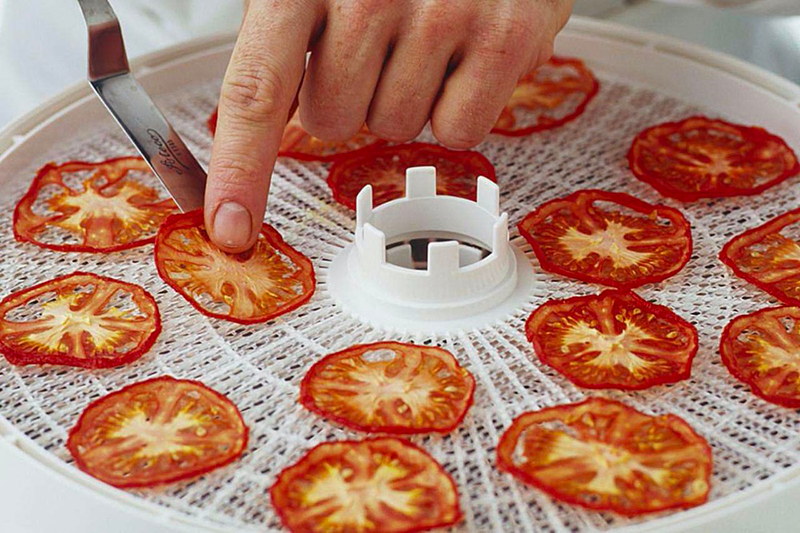
- Place the tomato slices on the dehydrator trays in a single layer.
- Ensure there is space between each piece to allow for air circulation.
Dehydrating Process
1. Set the Temperature:
Set your food dehydrator to 125°F (52°C) to 145°F (63°C). The ideal temperature may vary based on your specific dehydrator model.
2. Drying Time:
- The drying process typically takes anywhere from 6 to 12 hours depending on factors such as tomato thickness and humidity levels.
- Check periodically, rotating trays if necessary for even drying.
3. Check for Doneness:
The tomatoes are done when they are dry yet still pliable. They should not feel sticky or moist when touched.
Storing Dehydrated Tomatoes
Once your tomatoes are fully dehydrated, it's crucial to store them properly to maintain their quality:
- Cool Down: Allow the dried tomatoes to cool completely before storing.
- Storage Options:
- Use airtight containers such as glass jars or vacuum-sealed bags.
- Store in a cool, dark place away from direct sunlight.
How To Use Dried Tomatoes
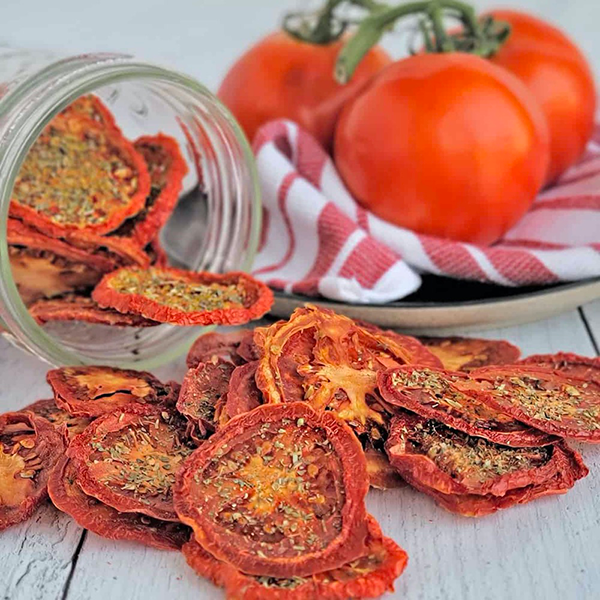
Dried tomatoes can be rehydrated by soaking them in warm water or broth for about 30 minutes. They can also be added directly to soups, stews, or sauces without rehydration.
Tips for Successful Dehydration
To ensure optimal results when dehydrating tomatoes:
- Uniform Slices: Cut your tomatoes into uniform pieces (about 1/4 inch thick) for even drying. This will help prevent some pieces from becoming over-dried while others remain moist[1][2].
- Prevent Sticking: If using cherry tomatoes, place them cut side up on the dehydrator trays; this helps prevent sticking due to their natural sugars[3][4].
- Rotate Trays: Every few hours, rotate your trays if your dehydrator does not have a fan that circulates air evenly. This promotes consistent drying across all trays[5].
- Test for Dryness: After several hours of drying, check your tomatoes by trying to bend them. They should be leathery but not sticky; if they feel moist or sticky, continue dehydrating[6][7].
How To Make Tomato Powder
In addition to storing dried tomatoes as whole pieces, you can also grind them into powder for use in various recipes:
1. Once your tomatoes are fully dried and cooled, place them in a blender or food processor.
2. Blend until you achieve a fine powder consistency.
3. Store the tomato powder in an airtight container away from light and moisture.
Tomato powder can be used as a seasoning in soups, sauces, and marinades or as a base for homemade pasta sauce.
Meal Ideas Using Dried Tomatoes
Dried tomatoes can enhance many dishes with their concentrated flavor:
- Pasta Dishes: Rehydrate and toss with olive oil, garlic, and herbs for a delicious pasta sauce.
- Salads: Add chopped dried tomatoes to salads for an extra burst of flavor and texture.
- Soups and Stews: Incorporate dried tomatoes directly into soups or stews; they will rehydrate during cooking.
- Pizza Topping: Use rehydrated dried tomatoes as a topping on homemade pizzas for added flavor.
- Sandwiches: Mix chopped dried tomatoes into spreads or use them whole in sandwiches for added taste.
Conclusion
Dehydrating tomatoes is a simple yet effective way to enjoy their rich flavor year-round. By following these steps and utilizing a food dehydrator, you can create delicious dried tomatoes that enhance various dishes while preserving their nutritional benefits. With proper preparation and storage techniques, you can savor the taste of summer all year long.
FAQ
1. How do you prepare tomatoes for dehydrating?
To prepare tomatoes for dehydrating, wash them thoroughly, slice them into even pieces (about 1/4 inch thick), and pat them dry before placing them on the dehydrator trays.
2. How long do tomatoes take in a dehydrator?
Tomatoes typically take between 6 to 12 hours in a dehydrator; however, this can vary based on thickness and moisture content.
3. Do you have to peel tomatoes before dehydrating?
No! Peeling is not necessary; however, if you prefer skinless tomatoes in your recipes, you may choose to peel them before slicing.
4. Can you dehydrate whole cherry tomatoes?
Yes! You can dehydrate whole cherry tomatoes by slicing them in half or leaving them whole; halving often results in quicker drying times.
5. How should I store dehydrated tomatoes?
Store dehydrated tomatoes in airtight containers or vacuum-sealed bags in a cool, dark place to maintain freshness and prevent moisture absorption.
Citations:
[1] https://www.simplycanning.com/dehydrating-tomatoes/
[2] https://bootsandhooveshomestead.com/dehydrating-tomatoes/
[3] https://www.freshoffthegrid.com/dehydrated-tomatoes/
[4] https://zerowastechef.com/2023/09/04/make-dehydrated-tomatoes-for-hands-off-easy-tomato-preservation/
[5] https://www.thespruceeats.com/dehydrated-tomatoes-recipe-1809681
[6] https://www.theseasonalhomestead.com/how-to-dry-tomatoes-with-a-dehydrator-plus-meal-ideas-for-using-dried-tomatoes/
[7] https://www.thespruceeats.com/dry-tomatoes-in-dehydrator-1327566
[8] https://thatothercookingblog.com/2016/05/14/dry-tomatoes-stove/
[9] https://www.luvele.com.au/blogs/recipe-blog/best-practise-drying-tomatoes-in-a-food-dehydrator
[10] https://extension.umn.edu/preserving-and-preparing/how-dry-tomatoes-home


