Content Menu
● Understanding the Nesco Food Dehydrator
>> Key Features
● Setting Up Your Nesco Dehydrator
● Preparing Food for Dehydration
● Using Your Nesco Food Dehydrator
● Cleaning Your Nesco Dehydrator
● Tips for Successful Dehydration
● Delicious Recipes for Your Nesco Food Dehydrator
>> Dried Apples
>> Vegetable Chips
>> Homemade Beef Jerky
>> Fruit Leather
>> Herb Drying
● Conclusion
● FAQ
>> 1. What foods can I dehydrate using a Nesco food dehydrator?
>> 2. How long does it take to dehydrate food?
>> 3. Can I leave my dehydrator unattended while it's running?
>> 4. Is it necessary to blanch vegetables before dehydrating?
>> 5. How should I store dehydrated foods?
● Citations:
Food dehydrators are excellent appliances for preserving food by removing moisture, which helps to prevent spoilage and extend shelf life. Among the various brands available, the Nesco Food Dehydrator stands out for its efficiency and ease of use. This guide will provide a comprehensive overview of how to use a Nesco food dehydrator, including setup, operation, tips for achieving the best results, and delicious recipes to try.
Understanding the Nesco Food Dehydrator
The Nesco dehydrator operates on the principle of convection drying, utilizing a powerful fan to circulate warm air throughout the trays. This method ensures even drying without the need for tray rotation, making it user-friendly and efficient.
Key Features
- Adjustable Temperature Control: Ranges from 95°F to 160°F, allowing you to dehydrate various foods at optimal temperatures.
- Expandable Trays: Most models come with four trays but can be expanded to accommodate up to twelve trays, making it suitable for larger batches.
- Convergent Flow Technology: Air is directed down through the center and across each tray, ensuring consistent drying without flavor mixing.
Setting Up Your Nesco Dehydrator
Before you start dehydrating food, it's essential to set up your Nesco dehydrator properly.
1. Unpack the Dehydrator: Remove all packaging materials and ensure all parts are included (base unit, trays, lid).
2. Clean the Trays: Wash the trays in warm soapy water before first use. Avoid immersing the base unit in water; instead, wipe it down with a damp cloth.
3. Assemble the Dehydrator:
- Place the base unit on a flat, stable surface.
- Stack the trays on top of the base unit.
- Ensure that the lid is placed securely on top.
Preparing Food for Dehydration
Proper preparation of food is crucial for successful dehydration. Here's how to prepare various types of food:
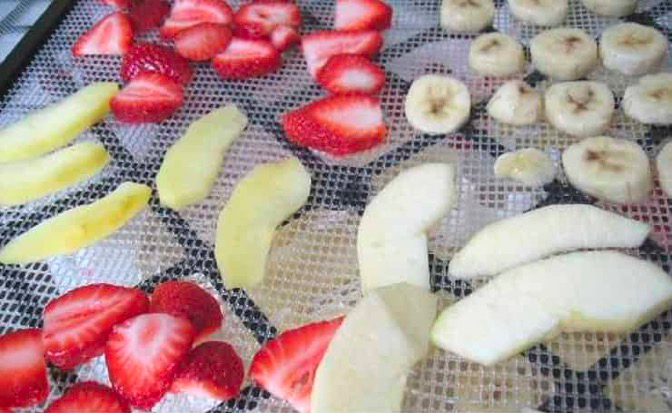
- Fruits: Wash and slice fruits uniformly to ensure even drying. Common choices include apples, bananas, and strawberries. To prevent browning in fruits like apples and bananas, soak them in a mixture of lemon juice and water for about five minutes before placing them on the drying racks.
- Vegetables: Clean and cut vegetables into similar sizes. Blanching may be necessary for certain vegetables like carrots or broccoli to preserve color and nutrients. Blanching involves briefly boiling vegetables before immediately cooling them in ice water.
- Herbs: Rinse fresh herbs and remove any excess moisture before placing them on the trays. Herbs like basil, thyme, and parsley can be dried effectively at low temperatures (around 95°F).
- Jerky: For meat jerky, slice lean cuts of meat against the grain into thin strips. Marinate if desired before dehydration. Trim any excess fat from meat as fat can go rancid during storage.
Using Your Nesco Food Dehydrator
Once your food is prepared, follow these steps to begin dehydrating:
1. Load the Trays: Arrange food slices evenly across the trays without overlapping them to allow proper air circulation.
2. Set Temperature: Use the adjustable thermostat to set the appropriate temperature based on what you're dehydrating:
- Fruits: 135°F
- Vegetables: 125°F
- Jerky: 160°F
- Herbs: 95°F
3. Start Dehydration:
- Plug in your dehydrator.
- Turn it on and monitor periodically.
- Drying times will vary based on food type and thickness (typically 4-12 hours).
4. Check for Doneness: Foods should be dry but still pliable (not brittle). For fruits, they should be leathery; vegetables should be crisp; jerky should be firm but not crumbly.
Cleaning Your Nesco Dehydrator
After using your dehydrator, proper cleaning is essential to maintain its performance:
1. Disassemble: Remove all trays and any other removable parts.
2. Wash Trays: Clean trays in warm soapy water or place them in a dishwasher (top rack only). Avoid abrasive cleaners or scrubbing pads that could scratch surfaces.
3. Wipe Down Base Unit: Use a damp cloth to clean the exterior of the base unit carefully.
4. Dry Completely: Allow all parts to dry thoroughly before reassembling or storing.
Tips for Successful Dehydration
To maximize your dehydration experience with your Nesco food dehydrator, consider these additional tips:
- Dehydrate Like Items Together: Always dehydrate items that require similar temperatures together in one batch to ensure even drying.
- Use Non-Stick Spray: For easy cleanup, spray your trays with non-stick cooking spray before placing items on them.
- Monitor Humidity Levels: If you live in a humid environment, consider using a dehumidifier in your kitchen while dehydrating foods to improve efficiency.
- Avoid Overloading Trays: Do not overcrowd trays as this can hinder airflow and lead to uneven drying.
- Check Frequently: After six hours of drying time, start checking your food every two hours until it reaches the desired texture.
Delicious Recipes for Your Nesco Food Dehydrator
Here are some easy recipes you can try with your Nesco food dehydrator:
Dried Apples
1. Slice apples into uniform pieces.
2. Soak slices in lemon juice mixed with water for five minutes.
3. Place on dehydrator trays at 135°F.
4. Dry for about 6-8 hours or until leathery but pliable.
Vegetable Chips
1. Slice vegetables such as zucchini or sweet potatoes thinly.
2. Lightly coat with olive oil and sprinkle with salt.
3. Arrange slices on trays at 125°F.
4. Dry for about 6-10 hours until crisp.
Homemade Beef Jerky
1. Slice lean beef into thin strips (about 1/8 inch thick).
2. Marinate overnight in a mixture of soy sauce, Worcestershire sauce, garlic powder, and black pepper.
3. Place strips on dehydrator trays at 160°F.
4. Dry for about 6-8 hours until firm but not crumbly.
Fruit Leather
1. Puree fresh fruit (like strawberries or peaches) until smooth.
2. Spread puree evenly onto fruit roll sheets.
3. Dehydrate at 135°F for about 6-8 hours until pliable but not sticky.
Herb Drying
1. Rinse fresh herbs like basil or oregano.
2. Pat dry with a towel.
3. Place leaves on dehydrator trays at 95°F.
4. Dry for about 2-4 hours until brittle.
Conclusion
Using a Nesco food dehydrator is an excellent way to preserve fruits, vegetables, herbs, and meats while retaining their nutritional value and flavor. With its user-friendly design and adjustable settings, anyone can enjoy homemade dried snacks with minimal effort.
By following this guide on how to use a Nesco food dehydrator effectively, you can create delicious snacks that are perfect for any occasion or dietary need while ensuring you maximize shelf life through proper storage techniques.
FAQ
1. What foods can I dehydrate using a Nesco food dehydrator?
You can dehydrate a wide variety of foods including fruits (apples, bananas), vegetables (carrots, peppers), herbs (basil, oregano), and meats (beef jerky).
2. How long does it take to dehydrate food?
Dehydration times vary depending on the type of food and thickness of slices but typically range from 4 to 12 hours.
3. Can I leave my dehydrator unattended while it's running?
Yes, you can leave it unattended; however, it's advisable to check periodically for doneness and ensure everything is functioning correctly.
4. Is it necessary to blanch vegetables before dehydrating?
Blanching is recommended for some vegetables as it helps retain color and nutrients but is not necessary for all types.
5. How should I store dehydrated foods?
Store dehydrated foods in airtight containers in a cool, dark place or refrigerate them for extended shelf life.
Citations:
[1] https://www.cnet.com/pictures/tips-for-using-your-new-dehydrator/
[2] https://www.freshoffthegrid.com/dehydrating-food/
[3] https://www.nesco.com/recipe_category/dehydrators/?print=print-search
[4] https://www.allrecipes.com/article/how-to-use-a-food-dehydrator/
[5] https://homesteadingfamily.com/preservation-101-intro-to-dehydrating-food/
[6] https://www.everythingkitchens.com/amfile/file/download/file/1732/product/15668/
[7] https://learn.eartheasy.com/guides/a-beginners-guide-to-dehydrating-food/
[8] https://www.everythingkitchens.com/miscdehydratorrecipes.html
[9] https://westonbrands.com/weston-dehyrating-tips
[10] https://dehydratedcookbook.com/nesco-dehydrator-recipes/


