Content Menu
● The Science of Dehydration
>> Temperature Control in Dehydration
● Optimal Temperatures for Different Foods
● Why Temperature Matters
● How to Use a Food Dehydrator Effectively
● Common Mistakes in Dehydration
● Benefits of Using a Food Dehydrator
● Creative Uses for Your Food Dehydrator
● Conclusion
● Frequently Asked Questions
>> 1. What is the best temperature for dehydrating fruits?
>> 2. Can I dehydrate meat at lower temperatures?
>> 3. How do I know when my food is fully dehydrated?
>> 4. Is it necessary to pre-treat fruits before dehydration?
>> 5. What happens if I set my dehydrator temperature too high?
● Citations:
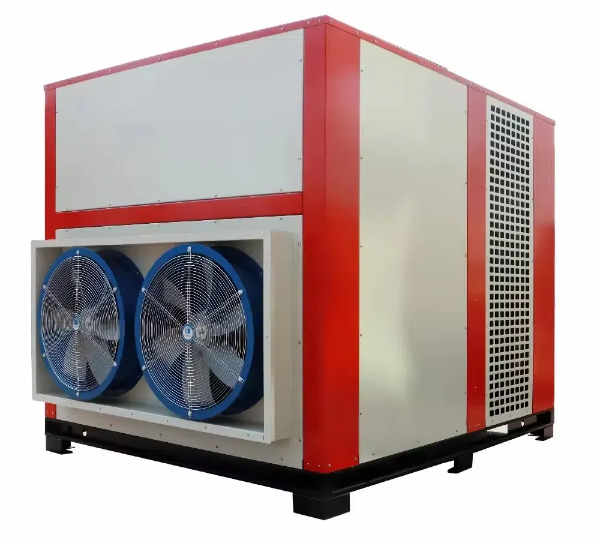
Food dehydrators are essential kitchen appliances for preserving food by removing moisture. This preservation method not only extends the shelf life of foods but also retains their nutritional value and flavor. Understanding the optimal temperature settings for different types of food is crucial for effective dehydration. In this article, we will explore the various temperature ranges used in food dehydrators, the science behind dehydration, practical tips for achieving the best results, and the many benefits of using a dehydrator.
The Science of Dehydration
Dehydration is a process that involves removing moisture from food to inhibit the growth of bacteria, yeasts, and molds. When food is dehydrated, it typically retains about 5% to 20% moisture content. This low moisture level prevents spoilage and allows for long-term storage.
Temperature Control in Dehydration
Temperature plays a vital role in the dehydration process. The ideal temperature range for food dehydrators typically falls between 95°F (35°C) and 160°F (70°C). However, specific foods require different temperatures:
- Fruits: Generally best dehydrated at 135°F (57°C) to 145°F (63°C).
- Vegetables: Ideal temperatures range from 125°F (51°C) to 130°F (54°C).
- Herbs: Should be dehydrated at lower temperatures around 95°F (35°C).
- Meats: For jerky, a higher temperature of 155°F (68°C) is recommended to eliminate pathogens.
Understanding these temperature guidelines ensures that food is dried effectively without compromising its quality.
Optimal Temperatures for Different Foods
Here's a detailed breakdown of recommended temperatures for various foods:
| Food Type | Recommended Temperature |
| Herbs | 95°F (35°C) |
| Vegetables | 125°F (51°C) |
| Fruits | 135°F - 145°F (57°C - 63°C) |
| Grains | 145°F (62°C) |
| Pre-cooked Meats | 145°F (62°C) |
| Meat/Jerky | 155°F (68°C) |
| Poultry | 165°F (73°C) |
Why Temperature Matters
Maintaining the correct temperature during dehydration is crucial for several reasons:
1. Nutritional Retention: Higher temperatures can destroy heat-sensitive vitamins, particularly Vitamin A and C. Keeping temperatures within recommended ranges helps preserve these nutrients.
2. Texture and Flavor: Overheating can cook food instead of drying it, altering its texture and flavor. For example, fruits dried at too high a temperature may become tough and lose their natural sweetness.
3. Preventing Spoilage: Insufficient temperatures can lead to incomplete drying, allowing bacteria and mold to thrive. This can result in spoiled food even after dehydration.
4. Case Hardening: If the outer layer of food dries too quickly due to high temperatures, it may trap moisture inside, leading to spoilage. This phenomenon is known as case hardening.
How to Use a Food Dehydrator Effectively
To optimize your food dehydration process, consider the following tips:
- Slice Uniformly: Cut food into uniform pieces to ensure even drying. Thicker pieces will require longer drying times and may need lower temperatures for thorough dehydration.
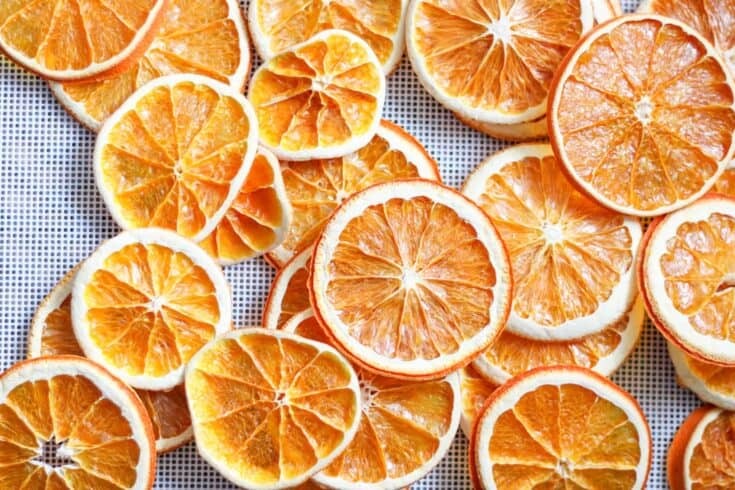
- Pre-treat Certain Foods: Some fruits, like apples or peaches, benefit from pre-treatment with lemon juice or ascorbic acid to prevent browning during dehydration.
- Monitor Drying Progress: Regularly check on your food throughout the drying process. This helps you assess dryness and prevent over-drying or under-drying.
- Rotate Trays: If your dehydrator has multiple trays, rotate them periodically to ensure even air circulation and consistent drying.
Common Mistakes in Dehydration
Avoid these common pitfalls when using a food dehydrator:
- Skipping Pre-treatment: Neglecting to pre-treat fruits can lead to discoloration and loss of flavor.
- Overcrowding Trays: Overloading trays can restrict airflow and result in uneven drying.
- Ignoring Temperature Settings: Using incorrect temperature settings can lead to spoilage or undesirable textures.
Benefits of Using a Food Dehydrator
Using a food dehydrator offers numerous advantages:
- Extended Shelf Life: Dehydrated foods can last for years when stored properly, making them ideal for long-term storage.
- Nutrient Preservation: Dehydrating at low temperatures retains more vitamins compared to other cooking methods like boiling or frying.
- Cost-Effective: By preserving seasonal produce or bulk purchases, you can save money on groceries while reducing waste.
- Healthy Snacking Options: Homemade dehydrated snacks are free from preservatives and additives often found in store-bought options.
- Versatility: Food dehydrators can be used for various foods including fruits, vegetables, herbs, meats, and even yogurt or pet treats.
Creative Uses for Your Food Dehydrator
In addition to traditional uses like making jerky or dried fruit snacks, consider these creative applications:
- Dehydrate Soups and Stews: Prepare your favorite soups or stews and dehydrate them into lightweight meals perfect for camping or backpacking trips.
- Make Fruit Leathers: Blend fruits into a puree and dehydrate them into chewy fruit leathers—a healthy alternative to candy.
- Create Seasoned Snacks: Season vegetables like zucchini or kale before dehydrating them into crunchy chips that are perfect for snacking.
- Dehydrate Herbs for Cooking: Preserve fresh herbs by dehydrating them; they can be used later in cooking without losing flavor.
Conclusion
In summary, understanding what temperature a food dehydrator works at is essential for successful food preservation. By adhering to recommended temperature ranges for different foods and following best practices in preparation and monitoring, you can create delicious dehydrated snacks that retain their nutritional value and flavor.
The optimal temperature range for most foods lies between 95°F (35°C) and 160°F (70°C). Properly managing these temperatures will help you avoid common mistakes such as case hardening and nutrient loss while ensuring your dried foods are safe for consumption.
Investing in a food dehydrator not only enhances your culinary repertoire but also promotes healthier eating habits by allowing you to control ingredients in your snacks. As you experiment with different foods and recipes, you'll discover new favorites while enjoying the many benefits that come with home dehydration.
Frequently Asked Questions
1. What is the best temperature for dehydrating fruits?
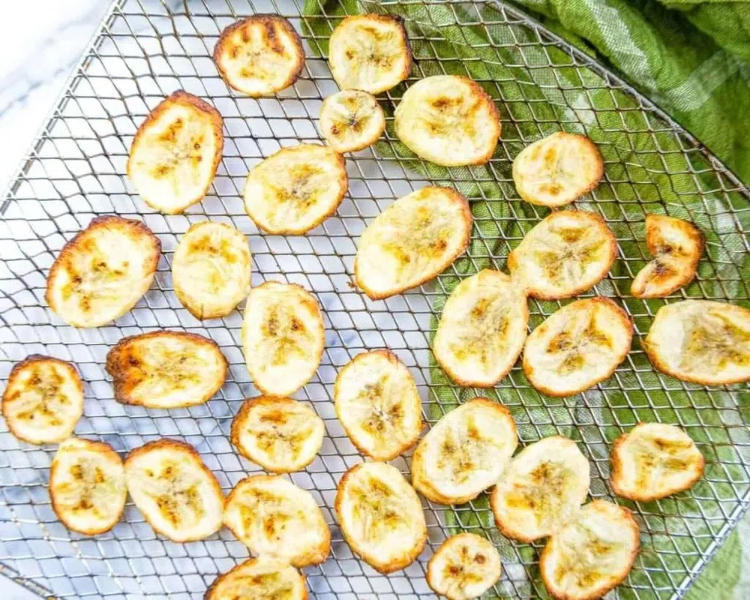
The best temperature for dehydrating fruits typically ranges from 135°F (57°C) to 145°F (63°C) depending on the type of fruit being dried.
2. Can I dehydrate meat at lower temperatures?
No, meat should be dehydrated at higher temperatures around 155°F (68°C) to ensure safety by eliminating harmful bacteria.
3. How do I know when my food is fully dehydrated?
You can check if your food is fully dehydrated by breaking or tearing a piece open; if moisture appears on the surface, it needs more time in the dehydrator.
4. Is it necessary to pre-treat fruits before dehydration?
Pre-treating fruits with lemon juice or ascorbic acid helps prevent browning and preserves flavor during the dehydration process.
5. What happens if I set my dehydrator temperature too high?
Setting your dehydrator temperature too high can lead to case hardening, where the outer layer dries quickly while moisture remains trapped inside, leading to spoilage.
Citations:
[1] https://www.webstaurantstore.com/guide/741/food-dehydrators-buying-guide.html
[2] https://www.youtube.com/watch?v=lEUA2t2XD5M
[3] https://www.callmelore.com/fool-proof-healthy-dehydrator-recipes/
[4] https://www.bestbuy.com/discover-learn/10-reasons-to-buy-a-food-dehydrator/pcmcat1634332391134
[5] https://www.freshoffthegrid.com/dehydrating-food/
[6] https://www.commercialdehydrators.com.au/dehydrating-recipes-filters
[7] https://www.webmd.com/diet/dehydrating-food-good-for-you
[8] https://homesteadingfamily.com/preservation-101-intro-to-dehydrating-food/
[9] https://www.youtube.com/watch?v=rXNIHzcE8F0
[10] https://learn.eartheasy.com/guides/a-beginners-guide-to-dehydrating-food/
[11] https://brodandtaylor.com/pages/dehydrating
[12] https://www.breville.com/content/breville/us/en/blog/cooking/how-to-use-a-dehydrator/_jcr_content/root/container_741553154/container/image.coreimg.85.1200.jpeg/1718622778417/how-to-use-dehydrator.jpeg?sa=X&ved=2ahUKEwikne_d3eqKAxXKke4BHcVgHf8Q_B16BAgFEAI
[13] https://www.backpackingchef.com/food-dehydrator-recipes.html
[14] https://www.healthline.com/nutrition/dehydrated-food
[15] https://www.allrecipes.com/article/how-to-use-a-food-dehydrator/
[16] https://insanelygoodrecipes.com/dehydrator-recipes/
[17] https://www.mitchellcooper.co.uk/10-alternative-uses-for-dehydrators
[18] https://www.foodandwine.com/lifestyle/12-brilliant-ways-use-dehydrator
[19] https://community.waring.com/blog/p/13or1/the-remarkable-benefits-of-adding-a-food-dehydrator-to-your-kitchen-arsenal
[20] https://www.goodhousekeeping.com/appliances/a31904157/what-is-a-dehydrator/
[21] https://eatsleepwild.com/homemade-dehydrated-backpacking-meals/


