Content Menu
● Introduction
● Understanding Dry Dog Food Making Machines
● The Extrusion Process: The Heart of Dry Dog Food Production
● Benefits of Using Dry Dog Food Making Machines
● Choosing the Right Dry Dog Food Making Machine
● Innovations in Dry Dog Food Making Machines
● The Future of Dry Dog Food Production
● Conclusion
● Frequently Asked Questions
>> 1. What are the main advantages of using a dry dog food making machine?
>> 2. Can dry dog food making machines be used for small-scale or home production?
>> 3. What types of ingredients can be used in a dry dog food making machine?
>> 4. How does the extrusion process in dry dog food making machines affect the nutritional value of the food?
>> 5. What maintenance is required for a dry dog food making machine?
Introduction
In the ever-evolving world of pet care, the demand for high-quality, nutritious dog food has never been higher. Pet owners are increasingly aware of the importance of proper nutrition for their furry companions, leading to a surge in interest in dry dog food making machines. These innovative devices have revolutionized the pet food industry, allowing for the production of customized, healthy, and cost-effective dog food at both commercial and home scales.
Understanding Dry Dog Food Making Machines
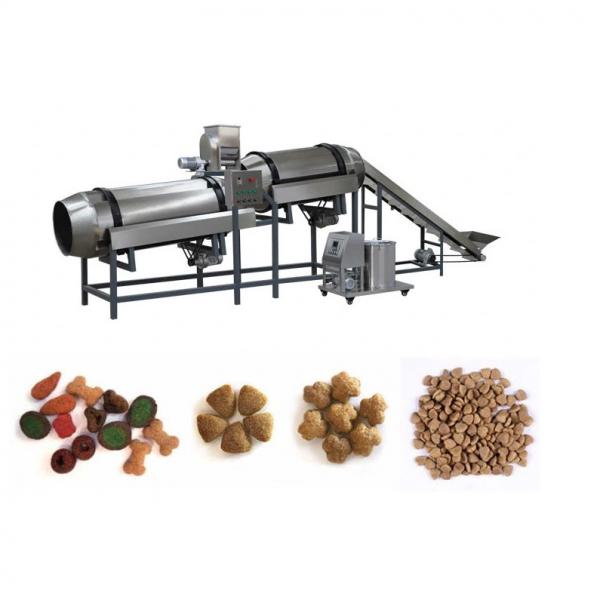
Dry dog food making machines, also known as dog food extruders or pet food production equipment, are sophisticated pieces of machinery designed to transform raw ingredients into nutritious, shelf-stable kibble. These machines utilize a process called extrusion, which involves mixing, cooking, and shaping ingredients under high pressure and temperature.
The core components of a typical dry dog food making machine include:
1. Feeding system
2. Preconditioner
3. Extruder barrel
4. Die and cutting mechanism
5. Drying system
6. Cooling system
7. Coating system
Each of these components plays a crucial role in the production of high-quality dry dog food, ensuring that the final product meets nutritional standards and appeals to our canine companions.
The Extrusion Process: The Heart of Dry Dog Food Production
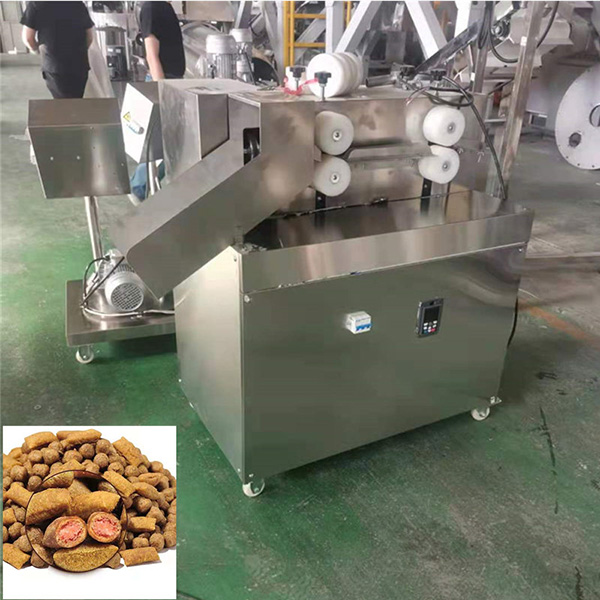
The extrusion process is the cornerstone of modern dry dog food manufacturing. This innovative technique allows for the creation of kibble with consistent shape, size, and nutritional content. Here's a step-by-step breakdown of how the extrusion process works in a dry dog food making machine:
1. Ingredient mixing: Raw materials, including proteins, carbohydrates, fats, vitamins, and minerals, are precisely measured and blended in the mixing chamber.
2. Preconditioning: The mixture is then preheated and moistened in the preconditioner, preparing it for the extrusion process.
3. Extrusion: The preconditioned mixture enters the extruder barrel, where it is subjected to high pressure and temperature. This process cooks the ingredients, gelatinizes starches, and denatures proteins, improving digestibility.
4. Shaping: The cooked mixture is forced through a die plate with specific-shaped openings, giving the kibble its characteristic form.
5. Cutting: A rotating knife cuts the extruded product into uniform pieces as it exits the die plate.
6. Drying and cooling: The shaped kibble is then dried to remove excess moisture and cooled to room temperature.
7. Coating: Finally, fats, flavors, and other additives are sprayed onto the kibble to enhance palatability and nutritional value.
This complex process ensures that each piece of kibble produced by the dry dog food making machine is consistent in quality, texture, and nutritional content.
Benefits of Using Dry Dog Food Making Machines
The adoption of dry dog food making machines offers numerous advantages for both commercial pet food manufacturers and dedicated pet owners:
1. Customization: These machines allow for the creation of tailored recipes to meet specific nutritional requirements or address health concerns of different dog breeds and life stages.
2. Quality control: By overseeing the entire production process, manufacturers and pet owners can ensure the use of high-quality ingredients and maintain strict quality standards.
3. Cost-effectiveness: In the long run, producing dry dog food in-house can be more economical than purchasing pre-made options, especially for commercial operations or multi-pet households.
4. Freshness: On-demand production ensures that dogs always have access to fresh, recently manufactured food.
5. Reduced preservatives: Homemade or small-batch production often requires fewer preservatives compared to mass-produced commercial dog food.
6. Allergen management: For dogs with food sensitivities or allergies, using a dry dog food making machine allows for complete control over ingredients, minimizing the risk of allergic reactions.
Choosing the Right Dry Dog Food Making Machine
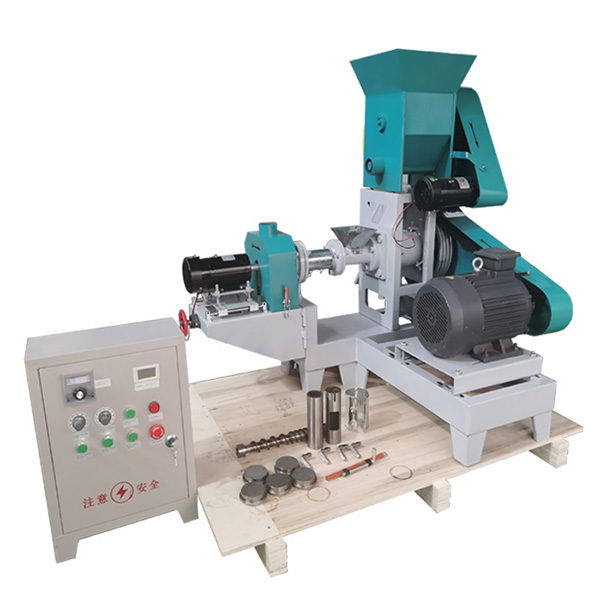
Selecting the appropriate dry dog food making machine depends on various factors, including production scale, budget, and specific requirements. Here are some key considerations:
1. Production capacity: Determine the required output volume, ranging from small-scale home use to large industrial production.
2. Versatility: Look for machines that can handle a wide range of ingredients and produce different kibble shapes and sizes.
3. Energy efficiency: Consider the machine's power consumption and overall efficiency to minimize operational costs.
4. Ease of use and maintenance: User-friendly controls and easy-to-clean components are essential for smooth operation and longevity.
5. Safety features: Ensure the machine has proper safety mechanisms to protect operators and maintain food safety standards.
6. Automation level: Decide between fully automated systems for large-scale production or semi-automated options for smaller operations.
7. Brand reputation and support: Choose reputable manufacturers that offer reliable customer support and readily available spare parts.
Innovations in Dry Dog Food Making Machines
The pet food industry is constantly evolving, and dry dog food making machines are no exception. Recent innovations in this field include:
1. Smart technology integration: Advanced machines now incorporate IoT (Internet of Things) capabilities, allowing for remote monitoring and control of the production process.
2. Improved energy efficiency: Newer models focus on reducing energy consumption without compromising output quality or quantity.
3. Enhanced ingredient flexibility: Modern machines can handle a wider range of ingredients, including novel proteins and superfoods, to meet the growing demand for diverse and nutritious pet food options.
4. Precision nutrition: Some advanced systems can produce kibble with layered or targeted nutrient profiles, ensuring optimal nutrition distribution in each piece.
5. Sustainable production: Eco-friendly features, such as reduced water usage and energy-efficient components, are becoming increasingly common in newer dry dog food making machines.
The Future of Dry Dog Food Production
As pet owners become more discerning about their dogs' nutrition, the role of dry dog food making machines in both commercial and home settings is likely to expand. We can expect to see further advancements in areas such as:
1. Personalized nutrition: Integration with pet health data to produce custom-tailored food for individual dogs based on their specific needs and health conditions.
2. Sustainable ingredients: Increased focus on incorporating alternative protein sources and environmentally friendly ingredients in dog food production.
3. Miniaturization: Development of more compact and efficient machines for home use, making small-scale production more accessible to individual pet owners.
4. Artificial intelligence: Implementation of AI-driven systems to optimize recipes, production processes, and quality control in real-time.
5. 3D printing technology: Exploration of 3D printing techniques to create uniquely shaped and textured kibble for enhanced palatability and dental health benefits.
Conclusion
Dry dog food making machines have transformed the pet food industry, offering unprecedented control over ingredient quality, nutritional content, and production processes. As technology continues to advance, these machines will play an increasingly important role in ensuring our canine companions receive the best possible nutrition tailored to their individual needs.
Whether you're a commercial pet food manufacturer looking to expand your product line or a dedicated pet owner interested in creating custom meals for your furry friend, understanding the capabilities and potential of dry dog food making machines is essential in today's pet care landscape.
Frequently Asked Questions
1. What are the main advantages of using a dry dog food making machine?
Answer: The main advantages include customization of recipes, better quality control, cost-effectiveness for large-scale production, freshness of the product, reduced use of preservatives, and the ability to manage allergens by controlling ingredients.
2. Can dry dog food making machines be used for small-scale or home production?
Answer: Yes, there are dry dog food making machines designed for various scales of production, including smaller models suitable for home use or small businesses. However, most high-capacity industrial machines are intended for commercial production.
3. What types of ingredients can be used in a dry dog food making machine?
Answer: These machines can process a wide range of ingredients, including various meats, grains, vegetables, fruits, and supplements. The specific ingredients used will depend on the desired nutritional profile and the capabilities of the particular machine.
4. How does the extrusion process in dry dog food making machines affect the nutritional value of the food?
Answer: The extrusion process can improve the digestibility of certain nutrients by gelatinizing starches and denaturing proteins. However, it may also lead to some loss of heat-sensitive vitamins. Proper formulation and processing parameters are crucial to maintain optimal nutritional value.
5. What maintenance is required for a dry dog food making machine?
Answer: Regular maintenance typically includes cleaning all components after each use, inspecting and replacing wear parts as needed, lubricating moving parts, and ensuring proper alignment of the extruder screws and barrel. Following the manufacturer's maintenance guidelines is essential for optimal performance and longevity of the machine.


