Content Menu
● Understanding Food Dehydration
>> How Food Dehydrators Work
● Types of Food Dehydrators
● Heat Pump Dryers Explained
>> Advantages of Heat Pump Dryers
● Operating Heat Pump Dryers in Low Temperatures
>> Mechanism of Operation
● Benefits of Using Heat Pump Dryers in Cold Conditions
● Applications of Heat Pump Dryers
● Factors Affecting Performance in Low Temperatures
● Best Practices for Using Heat Pump Dryers
● Conclusion
● FAQ
>> 1. What types of foods can be dried using a heat pump dryer?
>> 2. How does a heat pump dryer differ from traditional dehydrators?
>> 3. Can I use a heat pump dryer outdoors?
>> 4. What maintenance do heat pump dryers require?
>> 5. Are there any limitations when using heat pump dryers?
● Citations:
Food dehydrators are essential tools for preserving food by removing moisture, which prevents the growth of bacteria, yeast, and mold. This article explores the functionality of food dehydrators, particularly focusing on heat pump dryers and their performance in low-temperature environments.
Understanding Food Dehydration
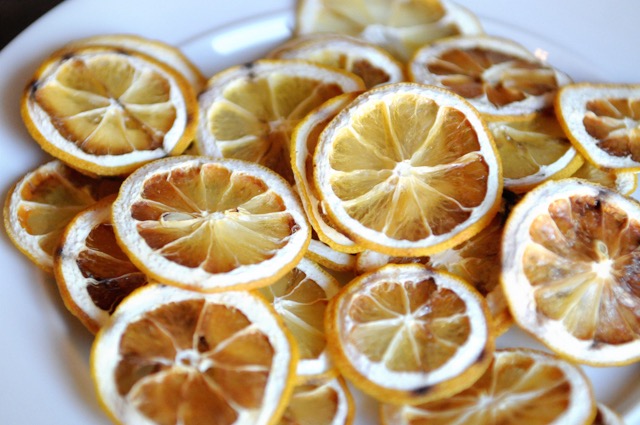
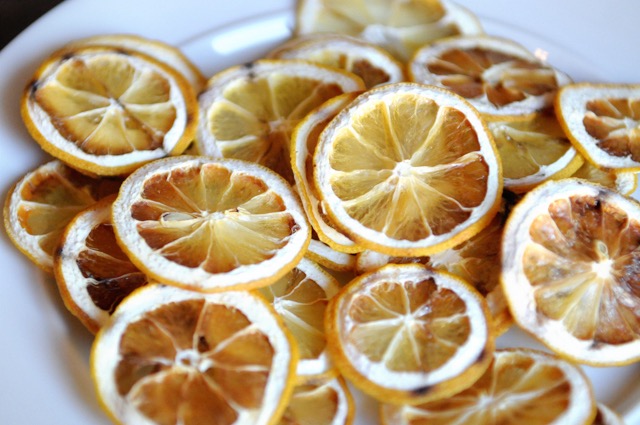
Food dehydration is a process that utilizes heat to remove moisture from food items. It extends shelf life while retaining nutritional value and flavor. Dehydrators can be used for various foods, including fruits, vegetables, herbs, and meats. The process involves circulating hot air over the food items, which absorbs moisture and expels it through vents.
How Food Dehydrators Work
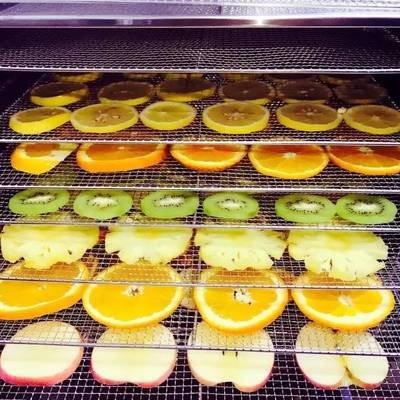
A typical food dehydrator consists of:
- Heating Element: Raises the temperature inside the unit.
- Fan: Circulates hot air evenly across the trays.
- Trays: Hold the food items being dehydrated.
- Vents: Allow moist air to escape.
The combination of these components ensures that food is dried uniformly without cooking it, preserving essential nutrients in the process.
Types of Food Dehydrators
Food dehydrators come in various types, each suited for different applications:
- Hot Air Dehydrators: Most common, they use heated air to dry food.
- Microwave Dehydrators: Utilize microwave energy but are less common due to high costs.
- Freeze Dryers: Remove moisture by freezing the food first; this method is expensive and typically used in commercial settings.
- Solar Dehydrators: Use sunlight but are limited by weather conditions.
Among these, hot air dehydrators are the most widely used due to their efficiency and effectiveness in drying a variety of products.
Heat Pump Dryers Explained
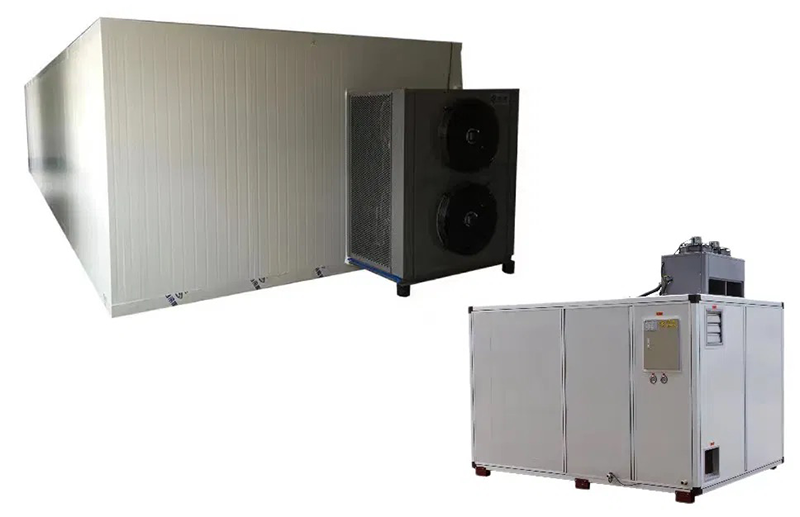
Heat pump dryers represent a modern advancement in drying technology. They operate by using a refrigeration cycle to extract moisture from the air within the drying chamber. This process not only allows for lower drying temperatures but also improves energy efficiency.
Advantages of Heat Pump Dryers
- Energy Efficiency: Heat pump dryers consume significantly less energy compared to traditional dryers.
- Controlled Environment: They can maintain specific temperature and humidity levels, which is crucial for preserving food quality.
- Versatility: Suitable for a wide range of products, including sensitive items that require gentle drying conditions.
Operating Heat Pump Dryers in Low Temperatures
One common concern is whether heat pump dryers can function effectively in low-temperature environments. The answer is yes; heat pump dryers are designed to operate efficiently even at lower temperatures.
Mechanism of Operation
Heat pump technology works by transferring heat from one place to another. In low temperatures:
1. The heat pump extracts ambient heat from the surrounding air.
2. This heat is then compressed to raise its temperature before being circulated into the drying chamber.
3. The process continues until the desired moisture content is achieved.
This ability to utilize ambient heat makes heat pump dryers suitable for various climates, including colder regions.
Benefits of Using Heat Pump Dryers in Cold Conditions
- Consistent Drying Performance: Unlike conventional dryers that may struggle in cold conditions, heat pump dryers maintain consistent performance due to their ability to adapt to environmental changes.
- Preservation of Nutritional Value: The low-temperature operation helps retain more nutrients compared to high-temperature drying methods.
- Reduced Risk of Over-Drying: The controlled environment minimizes the risk of over-drying or damaging delicate foods.
Applications of Heat Pump Dryers
Heat pump dryers are not just limited to home use; they have significant applications in various industries:
- Agriculture: Farmers utilize heat pump dryers for drying fruits and vegetables post-harvest, ensuring they remain fresh longer without spoilage.
- Food Processing: In commercial settings, these dryers are employed for producing dried snacks like fruit chips or jerky while maintaining quality standards.
- Herb Drying: For herbalists and spice manufacturers, heat pump dryers provide an ideal solution for drying herbs without losing their essential oils and flavors.
- Pharmaceuticals: Certain pharmaceutical products require precise drying processes; heat pump technology meets these needs effectively.
Factors Affecting Performance in Low Temperatures
While heat pump dryers are efficient in low temperatures, several factors can influence their performance:
- Ambient Temperature: Extremely low temperatures can affect the efficiency of heat extraction. However, most modern units are designed to function optimally even at temperatures as low as -5°C (23°F).
- Humidity Levels: High humidity can hinder the drying process as there's more moisture in the air. A balance between temperature and humidity is crucial for effective dehydration.
- Airflow Design: Proper airflow design within the dryer ensures that all food items receive equal exposure to heated air, enhancing overall efficiency.
Best Practices for Using Heat Pump Dryers
To maximize the effectiveness of your heat pump dryer, consider implementing these best practices:
1. Pre-Treat Your Food: Certain foods benefit from pre-treatment methods like blanching or soaking in lemon juice before dehydration. This step can enhance flavor and color retention.
2. Cut Uniformly: Ensure that all pieces are cut uniformly to promote even drying. Irregular sizes will result in some pieces being over-dried while others remain moist.
3. Avoid Overloading: Do not overcrowd trays; this restricts airflow and can lead to uneven drying results. Leave enough space between items for optimal air circulation.
4. Monitor Progress: Regularly check on your food during the drying process. This will help you gauge when it reaches your desired dryness level without overdoing it.
5. Store Properly After Drying: Once dried, store your products in airtight containers away from light and moisture to maintain freshness longer.
Conclusion
In summary, heat pump dryers are an excellent choice for food dehydration, particularly in low-temperature environments. Their energy efficiency, controlled drying conditions, and ability to preserve food quality make them ideal for both home and industrial applications. As demand for healthy snacks and preserved foods continues to grow, investing in a quality heat pump dryer can enhance production capabilities while ensuring high-quality output.
FAQ
1. What types of foods can be dried using a heat pump dryer?
Heat pump dryers can effectively dry a wide range of foods including fruits, vegetables, herbs, and meats while preserving their nutritional value.
2. How does a heat pump dryer differ from traditional dehydrators?
Heat pump dryers use a refrigeration cycle to remove moisture at lower temperatures compared to traditional dehydrators that rely on direct heating methods.
3. Can I use a heat pump dryer outdoors?
While it is possible to use a heat pump dryer outdoors, it is essential to ensure that it is protected from extreme weather conditions and has adequate ventilation.
4. What maintenance do heat pump dryers require?
Regular cleaning of filters and ensuring proper airflow are crucial for maintaining efficiency. Additionally, checking refrigerant levels may be necessary depending on usage frequency.
5. Are there any limitations when using heat pump dryers?
While they are versatile, heat pump dryers may have longer drying times compared to traditional methods due to their lower operating temperatures; however, this is often offset by improved quality and nutrient retention.
Citations:
[1] https://aradmachineryco.com/article/Food-dehydrator-buying-guide
[2] https://www.youtube.com/watch?v=0_IMnnF10Po
[3] https://www.webstaurantstore.com/guide/741/food-dehydrators-buying-guide.html
[4] https://pmc.ncbi.nlm.nih.gov/articles/PMC3550864/
[5] https://www.alamy.com/stock-photo/food-dehydrator.html
[6] https://www.youtube.com/watch?v=mtDzdYoyeR8
[7] https://www.youtube.com/watch?v=DeN-h6opueM
[8] https://aradmachineryco.com/article/How-to-use-a-dehydratormachine
[9] https://pocketchangegourmet.com/how-does-a-dehydrator-work/
[10] https://airtekdehydrator.com/health-advantages-using-food-dehydrator/
[11] https://www.istockphoto.com/photos/food-dehydrator
[12] https://www.youtube.com/watch?v=rR2G5UO-5Ms


