Content Menu
● Introduction to Room Type Drying Machines
● Case Study 1: Fruit Drying Company in Europe
>> Implementation Process
>> Results
● Case Study 2: Meat Processing Facility
>> Implementation Process
>> Results
● Case Study 3: Vegetable Dehydration Plant
>> Implementation Process
>> Results
● Case Study 4: Seafood Processing Company
>> Implementation Process
>> Results
● Case Study 5: Pharmaceutical Ingredient Drying
>> Implementation Process
>> Results
● Benefits of Room Type Drying Machines
● Technological Advancements
● Environmental Impact
● Future Trends
● Industry Applications
>> Agriculture
>> Textile Industry
>> Chemical Industry
>> Cosmetics Industry
● Economic Impact
● Challenges and Considerations
● Conclusion
● FAQ
>> 1. What are the main advantages of room type drying machines over traditional drying methods?
>> 2. How do room type drying machines contribute to energy efficiency?
>> 3. What types of food products can be processed using room type drying machines?
>> 4. How do room type drying machines ensure food safety?
>> 5. What future developments can we expect in room type drying machine technology?
● Citations:
Room type drying machines have revolutionized the food processing industry, offering efficient and cost-effective solutions for preserving a wide range of food products. This article explores several case studies highlighting successful implementations of these machines across various sectors, demonstrating their versatility and impact on food production.
Introduction to Room Type Drying Machines
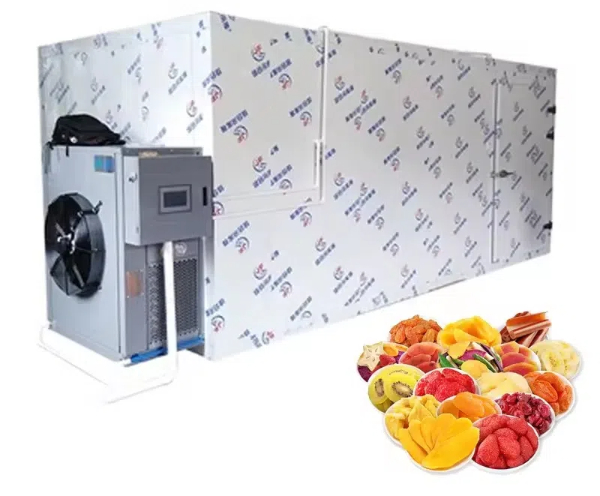
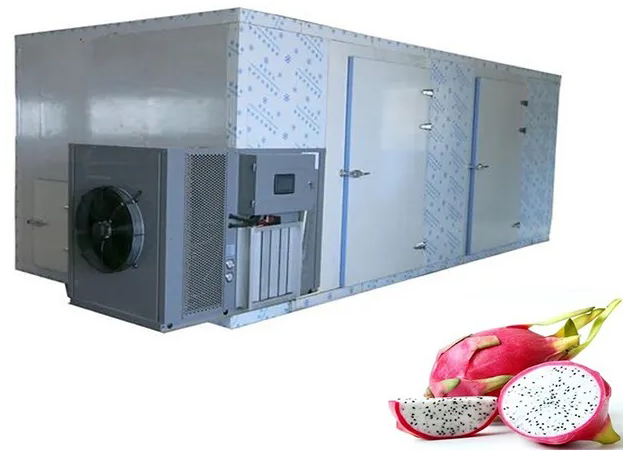
Room type drying machines, also known as food dryer rooms or drying chambers, are large-scale industrial drying systems designed to create optimal drying conditions for food products. These machines consist of a sealed room equipped with heating elements, air circulation systems, and humidity controls, allowing for precise management of the drying process.
Key features of room type drying machines include:
- Consistent drying results through uniform conditions
- Energy efficiency with heat recovery systems
- Versatility in drying various food products
- Customizable temperature, humidity, and airflow parameters
Case Study 1: Fruit Drying Company in Europe
A leading fruit drying company in Europe implemented room type drying machines to enhance their production capacity and product quality. The company, which specializes in dried fruits such as apples, pears, and berries, faced challenges with traditional drying methods that often resulted in inconsistent quality and high energy costs.
Implementation Process
The company installed a series of room type drying machines with a combined capacity of 5 tons. These machines featured:
- Digital control panels for precise temperature adjustments (18°C to 80°C)
- Polyurethane insulation board chambers
- Food-grade SS304 sub-boards, racks, and trays
Results
After transitioning to room type drying machines, the company reported:
- A 30% increase in production capacity
- Improved product consistency and quality
- Reduced energy consumption by up to 75%
Case Study 2: Meat Processing Facility
A meat processing facility specializing in jerky and dried meat products implemented room type drying machines to improve their production efficiency and product safety.
Implementation Process
The facility installed large-capacity drying equipment capable of processing over 1,000kg per day. The machines were equipped with:
- Advanced moisture extraction mechanisms
- Customizable drying rooms and trolleys
- Precise temperature and humidity controls
Results
The implementation of room type drying machines led to:
- Enhanced food safety through controlled drying conditions
- Improved quality control and consistency in flavor profiles
- Increased production capacity, allowing for market expansion
Case Study 3: Vegetable Dehydration Plant
A vegetable dehydration plant adopted room type drying machines to diversify their product range and improve the nutritional value of their dried vegetables.
Implementation Process
The plant installed multiple room type drying machines with features including:
- Heat pump technology for energy efficiency
- Intelligent control systems for precise adjustments
- Customizable hangers and racks for various vegetable sizes and shapes
Results
The implementation resulted in:
- Expanded product range, including delicate vegetables previously unsuitable for drying
- Preserved nutritional content and natural flavors of vegetables
- Reduced operational costs due to energy-efficient drying processes
Case Study 4: Seafood Processing Company
A seafood processing company implemented room type drying machines to improve the quality and shelf life of their dried seafood products.
Implementation Process
The company installed specialized room type drying machines designed for seafood, featuring:
- Adjustable temperature ranges suitable for various seafood types
- Advanced air circulation systems for even drying
- Moisture removal systems to prevent bacterial growth
Results
The adoption of room type drying machines led to:
- Extended shelf life of dried seafood products
- Improved texture and flavor retention
- Increased production efficiency and reduced waste
Case Study 5: Pharmaceutical Ingredient Drying
A pharmaceutical company implemented room type drying machines for drying active pharmaceutical ingredients (APIs) and other sensitive materials.
Implementation Process
The company installed specialized room type drying machines with:
- Sterile environments to maintain product purity
- Precise temperature and humidity controls
- Integration with IoT technology for remote monitoring
Results
The implementation resulted in:
- Improved potency and stability of pharmaceutical compounds
- Enhanced quality control in the drying process
- Increased production efficiency and reduced contamination risks

Benefits of Room Type Drying Machines
The case studies demonstrate several key benefits of room type drying machines:
1. Energy Efficiency: These machines can save up to 75% of the energy consumed by conventional dryers, making them cost-effective for large-scale food processing.
2. Consistent Quality: The controlled environment ensures consistent drying results, preserving the natural flavor and nutrients of the food.
3. Versatility: Room type drying machines can be used for a wide range of products, including fruits, vegetables, meats, seafood, and even pharmaceutical ingredients.
4. Customization: These machines can be tailored to meet specific drying requirements, including customizable drying rooms and accessories.
5. Enhanced Safety: By controlling temperature and humidity, these machines reduce the risk of bacterial growth and contamination, ensuring safer food products.
Technological Advancements
Recent advancements in room type drying machine technology include:
- Heat Pump Technology: This reduces energy consumption by recycling heat, making these machines significantly more energy-efficient than traditional methods.
- Intelligent Control Systems: These allow for precise adjustment of temperature, humidity, and airflow, ensuring optimal drying conditions for different products.
- IoT Integration: Some advanced models can be integrated with IoT systems, allowing remote monitoring and real-time adjustments to optimize drying processes.
Environmental Impact
The adoption of room type drying machines contributes to environmental sustainability in several ways:
- Reduced Energy Consumption: The energy efficiency of these machines leads to a smaller carbon footprint compared to traditional drying methods.
- Waste Reduction: By extending the shelf life of food products, these machines help reduce food waste throughout the supply chain.
- Sustainable Practices: The ability to precisely control drying conditions allows for the preservation of food without the need for chemical additives, promoting more natural and sustainable food processing practices.
Future Trends
The future of room type drying machines looks promising, with several trends emerging:
1. Increased Automation: Further integration of AI and machine learning to optimize drying processes and predict maintenance needs.
2. Renewable Energy Integration: More machines are likely to be designed to work with renewable energy sources, further reducing their environmental impact.
3. Enhanced Data Analytics: Advanced data collection and analysis capabilities will allow for more precise control and optimization of drying processes.
4. Modular Designs: Future machines may offer more modular designs, allowing for easier customization and scalability to meet changing production needs.
5. Improved Material Science: Development of new materials for construction of drying chambers and components to enhance efficiency and durability.
Industry Applications
Room type drying machines have found applications across various industries beyond food processing:
Agriculture
In the agricultural sector, these machines are used for drying grains, seeds, and other crops. They help farmers reduce post-harvest losses and maintain the quality of their produce.
Textile Industry
The textile industry uses room type drying machines for drying fabrics and garments, ensuring consistent quality and reducing production time.
Chemical Industry
Chemical manufacturers use these machines for drying various chemical compounds, ensuring purity and stability of the final products.
Cosmetics Industry
In cosmetics production, room type drying machines are used for drying ingredients and finished products, maintaining their quality and extending shelf life.
Economic Impact
The implementation of room type drying machines has significant economic implications:
- Cost Savings: The energy efficiency of these machines translates to substantial cost savings for businesses in the long run.
- Increased Productivity: The ability to process larger volumes of products more quickly leads to increased productivity and output.
- Market Expansion: Improved product quality and consistency allow businesses to expand into new markets and meet higher quality standards.
- Job Creation: The growing demand for these machines has led to job creation in manufacturing, installation, and maintenance sectors.
Challenges and Considerations
While room type drying machines offer numerous benefits, there are some challenges to consider:
- Initial Investment: The upfront cost of installing these machines can be significant, which may be a barrier for smaller businesses.
- Training Requirements: Operators need specialized training to effectively use and maintain these machines.
- Space Requirements: Large-scale room type drying machines require substantial floor space, which may be a constraint for some facilities.
- Product-Specific Optimization: Each product may require different drying parameters, necessitating careful calibration and testing.
Conclusion
The case studies presented demonstrate the significant impact that room type drying machines have had across various industries, from food processing to pharmaceuticals. These machines offer numerous benefits, including energy efficiency, consistent product quality, versatility, and enhanced food safety. As technology continues to advance, we can expect even more innovative features and applications for room type drying machines, further revolutionizing the food preservation and processing industries.
The successful implementations highlighted in this article showcase the potential of room type drying machines to improve production efficiency, product quality, and sustainability in food processing operations. As more companies adopt this technology, we can anticipate a shift towards more efficient, sustainable, and high-quality food preservation methods.
FAQ
1. What are the main advantages of room type drying machines over traditional drying methods?
Room type drying machines offer several advantages over traditional drying methods:
- Precise control over temperature, humidity, and airflow
- Consistent drying results and improved product quality
- Higher energy efficiency, reducing operational costs
- Ability to handle larger volumes of food products
- Enhanced food safety through controlled environments
2. How do room type drying machines contribute to energy efficiency?
Room type drying machines contribute to energy efficiency through:
- Heat recovery systems that recycle and reuse heat
- Advanced insulation to minimize heat loss
- Efficient air circulation mechanisms
- Integration with renewable energy sources in some models
- Smart control systems that optimize energy usage based on drying requirements
3. What types of food products can be processed using room type drying machines?
Room type drying machines are versatile and can process a wide range of food products, including:
- Fruits and vegetables
- Meats and seafood
- Herbs and spices
- Grains and cereals
- Dairy products
- Pharmaceutical ingredients
4. How do room type drying machines ensure food safety?
Room type drying machines ensure food safety by:
- Providing a controlled environment that prevents contamination
- Reducing moisture content, which inhibits microbial growth
- Maintaining consistent temperatures to eliminate pathogens
- Allowing for precise control of drying parameters to meet safety standards
- Minimizing human handling during the drying process
5. What future developments can we expect in room type drying machine technology?
Future developments in room type drying machine technology may include:
- Enhanced automation and AI integration for optimized drying processes
- Improved energy efficiency through advanced heat pump technologies
- Greater integration with IoT for remote monitoring and control
- Development of more sustainable and eco-friendly drying solutions
- Customizable and modular designs for increased flexibility in food processing operations
Citations:
[1] https://www.dryeratech.com/the-future-of-room-type-drying-machines.html
[2] https://www.dryeratech.com/room-type-drying-machine.html
[3] https://www.dryeratech.com/customer-testimonials-room-type-drying-machines-in-action.html
[4] https://www.dryeratech.com/room-type-drying-machines-for-different-industries.html
[5] https://www.alamy.com/stock-photo/drying-machine.html
[6] https://www.helperfoodmachine.com/food-drying-room/
[7] https://elearning.unite.it/pluginfile.php/299970/mod_resource/content/1/Lecture%20MOSCETTI%20-%2019-03-2024.pdf
[8] https://www.dryeratech.com/innovations-in-room-type-drying-technology.html
[9] https://www.cpeg.com/blog/comparing-industrial-drying-equipment/
[10] https://www.dryzonecabinet.com/case-studies-and-success-stories-of-baking-dry-cabinet-and-dehumidifier-dry-cabinet-implementations.html
[11] https://www.istockphoto.com/photos/food-dryer
[12] https://www.dehydratorsamerica.com/category/industrial-food-dehydrators
[13] https://www.shutterstock.com/search/food-dryer
[14] https://www.dehydratorsamerica.com/category/shop-all
[15] https://carriervibrating.com/resources/blog/achieving-optimal-drying-results-for-pressed-fruits-and-vegetables/
[16] https://www.youtube.com/watch?v=6nSGdcK1bqs
[17] https://www.youtube.com/watch?v=LCTpDVgQXGI
[18] https://www.youtube.com/watch?v=CpF80DuCzGs


