Content Menu
● Introduction to Penetration Type Dryers
>> Key Features of Penetration Type Dryers
>> Comparing Sizes and Capacities
● Benefits of Penetration Type Dryers
● Operational Efficiency and Maintenance
● Future Developments and Trends
>> Case Studies: Successful Applications of Penetration Type Dryers
>> Integration with Other Technologies
>> Global Market Trends
● Conclusion
● Frequently Asked Questions
>> 1. What is the typical capacity of penetration type dryer machines?
>> 2. How energy-efficient are penetration type dryers compared to traditional dryers?
>> 3. What types of food products are suitable for penetration type dryers?
>> 4. Can penetration type dryers be customized for specific drying needs?
>> 5. How do penetration type dryers contribute to environmental sustainability?
● Citations:
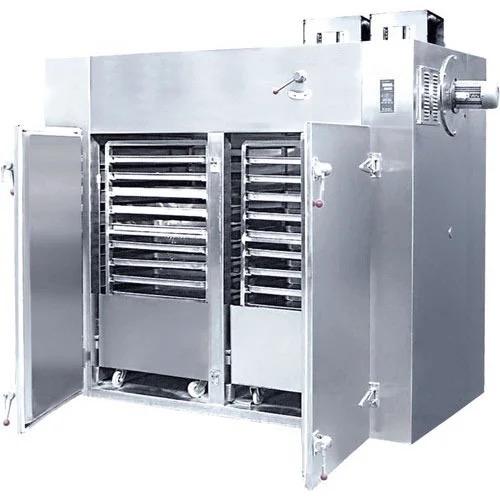
Penetration type dryers are a crucial component in the food industry, renowned for their efficiency and versatility in drying a wide range of food products. These machines are designed to handle products that can be stacked together, offering capacities that cater to both small-scale and large-scale operations. In this article, we will delve into the various sizes and capacities of penetration type dryers, exploring their features, benefits, and applications in the food industry.
Introduction to Penetration Type Dryers
Penetration type dryers utilize a patented half-vacuum air duct design, which allows hot air to penetrate evenly through stacked products. This design ensures uniform drying even when products are densely packed, making it highly suitable for large-scale industrial applications. The adjustable temperature settings, ranging from 18°C to 80°C, support hot drying, cool drying, and dehumidification functions, which are essential for maintaining optimal drying conditions for different types of food products.
Key Features of Penetration Type Dryers
1. Energy Efficiency: These dryers use only 25% of the electricity required by traditional dryers, making them highly energy-efficient and cost-effective.
2. Temperature Control: Adjustable temperature settings allow for precise control over the drying process, ensuring that different products can be dried under optimal conditions.
3. Capacity: Available in capacities ranging from 300 to 10 tons, catering to various industrial needs.
4. Uniform Drying: Ensures consistent moisture levels across all layers of the product, reducing the risk of hotspots and spoilage.
Comparing Sizes and Capacities
Penetration type dryers come in a variety of sizes to accommodate different production scales. Here's a comparison of their capacities and applications:
| Capacity | Application | Benefits |
| 300 tons | Small-scale operations, ideal for local food processors. | Cost-effective, easy to maintain. |
| 1-5 tons | Medium-scale operations, suitable for regional food manufacturers. | Balances efficiency with cost, adaptable to various products. |
| 5-10 tons | Large-scale operations, used by major food processing companies. | High productivity, significant energy savings. |
Benefits of Penetration Type Dryers
1. Cost Savings: By using only 25% of the electricity required by traditional dryers, businesses can significantly reduce their operational expenses.
2. Environmental Sustainability: Lower energy consumption leads to a reduced carbon footprint, aligning with global efforts to minimize greenhouse gas emissions.
3. Versatility: Suitable for drying a wide range of food products, including nuts, spices, seeds, beans, and more.
Operational Efficiency and Maintenance
Penetration type dryers are designed with ease of maintenance in mind. The components are accessible, allowing for quick cleaning and replacement of parts when needed. This reduces downtime and ensures continuous operation. Additionally, these machines often come equipped with automated controls that monitor temperature, humidity, and airflow, ensuring consistent drying conditions and minimizing the need for manual intervention.

Future Developments and Trends
The food drying industry is continuously evolving, with advancements in technology leading to more efficient and sustainable drying solutions. Future developments are expected to focus on integrating smart technologies and renewable energy sources into drying systems. This will further enhance the efficiency and environmental friendliness of penetration type dryers.
Case Studies: Successful Applications of Penetration Type Dryers
1. Nuts and Seeds Drying: A large-scale nut processing company in the United States successfully implemented penetration type dryers to dry almonds and walnuts. The result was a significant reduction in energy costs and improved product quality.
2. Spice Drying: A spice manufacturer in India used penetration type dryers to dry turmeric and chili peppers. The uniform drying ensured consistent flavor and color, enhancing the overall quality of the spices.
3. Bean Drying: A bean processing facility in Brazil utilized penetration type dryers to dry soybeans and black beans. The efficient drying process helped maintain the nutritional value of the beans while reducing moisture content effectively.
Integration with Other Technologies
Penetration type dryers can be integrated with other drying technologies to enhance their efficiency and versatility. For example, combining them with freeze-drying or vacuum drying can provide a comprehensive drying solution for sensitive or high-value products. This integration allows for a broader range of applications and can cater to more complex drying needs.
Global Market Trends
The global demand for efficient food drying solutions is on the rise, driven by increasing food production and the need for sustainable practices. Penetration type dryers are well-positioned to meet this demand due to their energy efficiency and versatility. As the market continues to grow, manufacturers are expected to innovate and expand their product lines to cater to diverse customer needs.
Conclusion
Penetration type dryers are a valuable asset in the food industry, offering efficient, cost-effective, and environmentally friendly drying solutions. Their versatility and energy efficiency make them suitable for a wide range of food products and production scales. As technology advances, these dryers are poised to play a crucial role in meeting the demands for sustainable and efficient food processing.
Frequently Asked Questions
1. What is the typical capacity of penetration type dryer machines?
Penetration type dryer machines are available in capacities ranging from 300 to 10 tons, catering to both small-scale and large-scale food drying operations.
2. How energy-efficient are penetration type dryers compared to traditional dryers?
Penetration type dryers use only 25% of the electricity required by traditional dryers, making them highly energy-efficient and cost-effective.
3. What types of food products are suitable for penetration type dryers?
These machines are ideal for drying nuts, spices, seeds, beans, and other similar products that can be stacked together.
4. Can penetration type dryers be customized for specific drying needs?
Yes, penetration type dryers can be customized to meet specific drying requirements, thanks to their adjustable temperature and humidity control features.
5. How do penetration type dryers contribute to environmental sustainability?
By consuming significantly less energy than traditional dryers, penetration type dryers reduce carbon emissions and contribute to environmental sustainability.
Citations:
[1] https://www.dryeratech.com/key-features-of-penetration-type-dryer-machines-explained.html
[2] https://www.dryeratech.com/comparing-penetration-type-dryers-to-traditional-drying-methods.html
[3] https://patents.google.com/patent/CN110207480A/zh
[4] https://www.aimheatpump.com/products-78591
[5] https://www.dryeratech.com/how-to-select-the-right-penetration-type-dryer-for-your-needs.html
[6] https://patents.google.com/patent/WO2022068971A1/zh
[7] https://www.dryeratech.com/penetration-type-dryer-machine.html
[8] https://core.ac.uk/download/pdf/77030513.pdf


