Content Menu
● Introduction to Penetration Type Dryers
● Benefits of Penetration Type Dryers
>> Cost Savings
>> Environmental Sustainability
>> Versatility
>> Operational Efficiency and Maintenance
● Comparison with Other Drying Technologies
>> Multi-Layer Mesh Belt Dryers
>> Freeze Dryers
>> Spray Dryers
● Top Brands of Penetration Type Dryers
● Future Developments and Trends
>> Integration of Smart Technologies
>> Use of Renewable Energy Sources
● Case Study: Implementation in a Large-Scale Food Processing Facility
● Market Analysis
>> Market Drivers
>> Market Challenges
● Conclusion
● FAQs
>> 1. What is the typical capacity of penetration type dryer machines?
>> 2. How energy-efficient are penetration type dryers compared to traditional dryers?
>> 3. What types of food products are suitable for penetration type dryers?
>> 4. Can penetration type dryers be customized for specific drying needs?
>> 5. How do penetration type dryers contribute to environmental sustainability?
● Citations:
In the rapidly evolving food industry, efficient drying solutions are crucial for maintaining product quality and reducing operational costs. Among various drying technologies, penetration type dryers have emerged as a preferred choice due to their versatility, energy efficiency, and cost-effectiveness. This article delves into the key features and benefits of penetration type dryers, highlighting why they are an excellent investment for food drying operations.
Introduction to Penetration Type Dryers
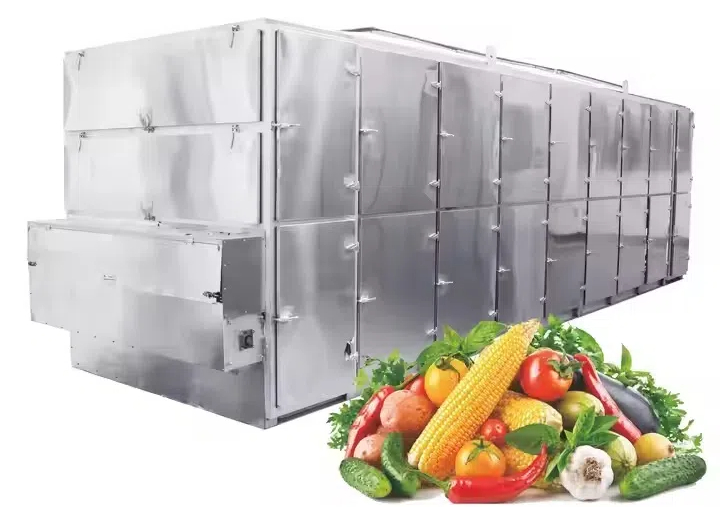
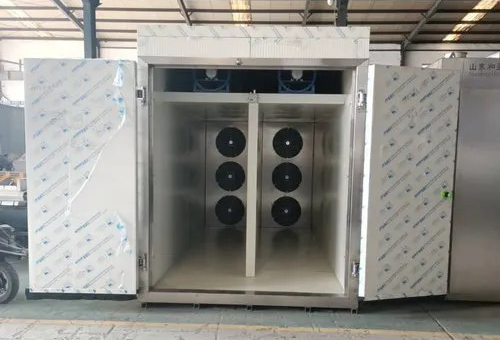
Penetration type dryers are designed to handle products that can be stacked together, making them ideal for drying a wide range of food items such as nuts, spices, seeds, and beans. These machines utilize a patented half vacuum air duct design, ensuring even drying even when products are stacked. This design is particularly energy-efficient, using only 25% of the electricity required by traditional dryers.
Key Features:
1. Adjustable Temperature Control: Penetration type dryers offer adjustable temperature settings from 18°C to 80°C, allowing for precise control over the drying process. This flexibility is crucial for different types of food products, each requiring specific temperature conditions for optimal drying.
2. Dehumidification Function: The dehumidification function helps in maintaining a controlled humidity environment, which is essential for preventing moisture-related spoilage.
3. Energy Efficiency: These machines consume significantly less energy than traditional drying methods, making them highly cost-effective and environmentally friendly.
Benefits of Penetration Type Dryers
Cost Savings
Penetration type dryers offer substantial cost savings by reducing energy consumption. By using only 25% of the electricity required by traditional methods, businesses can significantly lower their operational expenses and allocate resources more effectively. This reduction in energy costs also helps companies maintain profitability in competitive markets.
Environmental Sustainability
The reduced energy consumption of these machines contributes to environmental sustainability. Lower energy usage means less carbon footprint, aligning with global efforts to reduce greenhouse gas emissions. As consumers increasingly prioritize eco-friendly products, companies that adopt sustainable practices like using penetration type dryers can enhance their brand reputation.
Versatility
Penetration type dryers are versatile and can handle a wide range of food products. Their adjustable temperature and humidity control features ensure that different products can be dried under optimal conditions.
Operational Efficiency and Maintenance
These machines are designed with ease of maintenance in mind. The components are accessible, allowing for quick cleaning and replacement of parts when needed. This reduces downtime and ensures continuous operation.

Comparison with Other Drying Technologies
Multi-Layer Mesh Belt Dryers
Multi-layer mesh belt dryers are continuous dryers that use heat and airflow to accelerate the drying process. They are ideal for processing large volumes of food products and provide better ventilation, which is beneficial for items that cannot withstand continuous high temperatures.
Freeze Dryers
Freeze dryers, also known as lyophilizers, are used for preserving high-value food products by removing moisture at low temperatures. While they offer excellent preservation capabilities, they are more expensive and energy-intensive compared to penetration type dryers.
Spray Dryers
Spray dryers are commonly used for drying liquid food products into powders. They are efficient for large-scale operations but may not be suitable for solid food items that require stacking.
Top Brands of Penetration Type Dryers
While specific brand names for penetration type dryers are not widely listed, companies like Dryera Tech are leading OEM providers in the industry, offering customized solutions for various food drying needs. The market for industrial dryers, including penetration type dryers, is expected to grow significantly due to their efficiency and sustainability.
Future Developments and Trends
The food drying industry is continuously evolving, with advancements in technology leading to more efficient and sustainable drying solutions. Future developments are expected to focus on integrating smart technologies and renewable energy sources into drying systems. This will further enhance the efficiency and environmental friendliness of penetration type dryers.
Integration of Smart Technologies
Smart technologies can optimize drying processes by monitoring temperature, humidity, and product moisture levels in real-time. This allows for precise adjustments to ensure optimal drying conditions and minimize waste.
Use of Renewable Energy Sources
Incorporating renewable energy sources, such as solar or wind power, into drying operations can significantly reduce carbon emissions. This aligns with global sustainability goals and enhances the eco-friendly reputation of companies adopting these technologies.
Case Study: Implementation in a Large-Scale Food Processing Facility
A large-scale food processing facility integrated penetration type dryers into their operations. The facility, which processes a variety of nuts and seeds, saw a significant reduction in energy consumption and an increase in product quality. The even drying provided by the penetration type dryers ensured that all products met the required moisture levels, reducing waste and improving overall efficiency.
1. Assessment and Planning: The facility conducted a thorough assessment of their current drying processes and identified areas for improvement. They worked closely with the OEM provider to customize the penetration type dryers to meet their specific needs.
2. Installation and Training: The dryers were installed within a short timeframe, and the facility's staff received comprehensive training on operation and maintenance.
3. Monitoring and Optimization: Post-installation, the facility continuously monitored the performance of the dryers and made adjustments as needed to optimize their operation.
Results:
1. Energy Savings: The facility reported a 25% reduction in energy costs.
2. Increased Product Quality: The even drying ensured that all products met the required moisture levels, reducing waste and improving overall efficiency.
3. Enhanced Sustainability: The reduced energy consumption contributed to a lower carbon footprint, aligning with the facility's sustainability goals.
Market Analysis
The global market for industrial dryers is expanding rapidly, driven by increasing demand for efficient and sustainable drying solutions. Penetration type dryers are well-positioned to capture a significant share of this market due to their energy efficiency and versatility.
Market Drivers
1. Increasing Demand for Sustainable Practices: Consumers are increasingly demanding eco-friendly products, driving companies to adopt sustainable practices like using penetration type dryers.
2. Technological Advancements: Continuous advancements in drying technologies are improving efficiency and reducing costs, making penetration type dryers more attractive to businesses.
Market Challenges
1. High Initial Investment: While penetration type dryers offer long-term cost savings, the initial investment can be high, which may deter some businesses.
2. Competition from Established Technologies: Established drying technologies, such as freeze drying and spray drying, may pose competition due to their established market presence.
Conclusion
Penetration type dryers are a valuable asset in the food industry, offering efficient, cost-effective, and environmentally friendly drying solutions. Their patented design ensures even drying of stacked products, while their energy efficiency and adjustable temperature controls make them suitable for a variety of food items. As the demand for sustainable and efficient drying technologies continues to grow, penetration type dryers are poised to play a significant role in the future of food processing.
FAQs
1. What is the typical capacity of penetration type dryer machines?
Penetration type dryer machines can handle capacities ranging from 300 to 10 tons, making them suitable for both small-scale and large-scale food drying operations.
2. How energy-efficient are penetration type dryers compared to traditional dryers?
Penetration type dryers use only 25% of the electricity required by traditional dryers, making them highly energy-efficient and cost-effective.
3. What types of food products are suitable for penetration type dryers?
These machines are ideal for drying nuts, spices, seeds, beans, and other similar products that can be stacked together.
4. Can penetration type dryers be customized for specific drying needs?
Yes, penetration type dryers offer adjustable temperature settings and dehumidification functions, allowing for customization based on the specific drying requirements of different products.
5. How do penetration type dryers contribute to environmental sustainability?
By using significantly less energy than traditional drying methods, penetration type dryers reduce carbon emissions and contribute to environmental sustainability.
Citations:
[1] https://www.dryeratech.com/cost-effective-solutions-investing-in-a-penetration-type-dryer.html
[2] https://www.mordorintelligence.com/industry-reports/asia-pacific-tumble-dryers-market
[3] https://patents.google.com/patent/CN110207480A/zh
[4] https://www.dryeratech.com/key-features-of-penetration-type-dryer-machines-explained.html
[5] https://www.thebusinessresearchcompany.com/report/dryers-global-market-report
[6] https://www.databridgemarketresearch.com/zh/reports/global-electric-dryers-market
[7] https://www.aimheatpump.com/products-78591
[8] https://www.gminsights.com/industry-analysis/industrial-dryers-market
[9] https://www.databridgemarketresearch.com/zh/reports/global-industrial-dryers-market


