In the realm of food processing, drying machines play a crucial role in preserving food quality and extending shelf life. Modern food drying machines have evolved significantly, incorporating advanced digital control systems to enhance efficiency, precision, and product quality. This article explores the integration of technology in modern food drying machines, focusing on digital control systems and their impact on the industry.
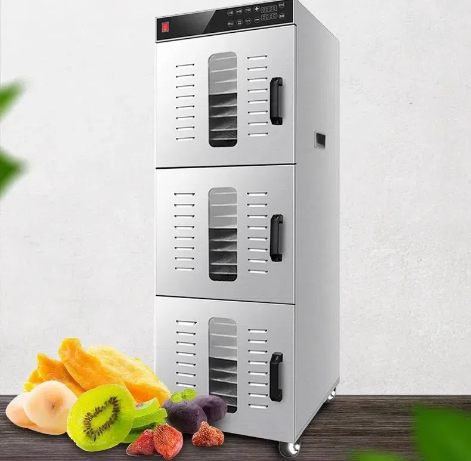
Introduction to Food Drying Machines
Food drying machines are designed to remove moisture from food products, preventing spoilage and maintaining nutritional value. These machines are widely used in the food industry for drying fruits, vegetables, meats, and other products. The process involves controlled heating and air circulation to ensure uniform drying without compromising the product's texture or flavor.
Types of Food Drying Machines
1. Spray Drying Machines: These machines are used for drying liquid or semi-liquid foods into powders. They are commonly used for producing instant coffee, milk powder, and fruit powders.
2. Tray Drying Machines: These machines use trays to dry food in batches. They are suitable for drying fruits, vegetables, and herbs.
3. Freeze Drying Machines: These machines use a vacuum to freeze-dry foods, preserving their texture and nutrients. They are ideal for drying meats and high-value foods.
Digital Control Systems in Food Drying Machines
Digital control systems have revolutionized the operation of food drying machines by offering precise temperature control, automated monitoring, and efficient energy management. These systems enable real-time adjustments to ensure optimal drying conditions, reducing the risk of over-drying or under-drying.
Key Features of Digital Control Systems
1. Temperature Control: Digital thermostats allow for precise temperature adjustments, ensuring that the drying process occurs within a narrow temperature range to preserve food quality.
2. Humidity Control: Maintaining optimal humidity levels is crucial for preventing moisture reabsorption and ensuring consistent drying results.
3. Automated Monitoring: Sensors continuously monitor temperature, humidity, and airflow, providing real-time data to adjust drying parameters as needed.
4. Energy Efficiency: Digital systems optimize energy consumption by automatically adjusting heating elements and fans based on the drying stage and product requirements.
Benefits of Digital Control Systems
1. Improved Product Quality: Consistent drying conditions ensure that products retain their flavor, texture, and nutritional value.
2. Increased Efficiency: Automated processes reduce labor costs and enhance productivity by minimizing manual interventions.
3. Energy Savings: Optimized energy use reduces operational costs and contributes to a more sustainable production process.
Advanced Technologies in Food Drying
Neuro-Fuzzy Control Systems
Neuro-fuzzy control systems, like those used in spray drying machines, combine neural networks with fuzzy logic to manage complex drying processes. These systems can adapt to changing conditions, ensuring optimal drying outcomes even in unpredictable environments.
Image Recognition Technology
Incorporating image recognition technology allows for real-time monitoring of the drying process. Cameras can detect changes in product color or texture, enabling immediate adjustments to prevent over-drying or burning.
IoT Integration
The integration of Internet of Things (IoT) technology enables remote monitoring and control of drying machines. This allows operators to access real-time data and make adjustments from anywhere, improving response times and reducing downtime.
AI-Powered Predictive Maintenance
Artificial intelligence (AI) can be used to analyze data from sensors and predict when maintenance is required. This proactive approach helps prevent equipment failures, reducing maintenance costs and ensuring continuous operation.
Case Studies and Examples
Spray Drying Machine with Neuro-Fuzzy Control
A study on a spray drying machine for producing tomato powder utilized a neuro-fuzzy control system to manage the drying process. This system improved product quality by maintaining optimal temperature and humidity levels, despite the complexity of the process.
Digital Control Industrial Food Dryer
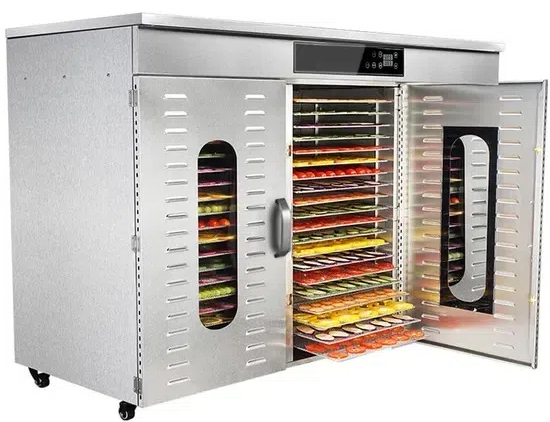
Commercial food dryers with digital control, such as those with touch control panels, offer enhanced user experience and precise control over drying conditions. These machines are designed for high-volume production and are equipped with features like double-layer outer shells for better heat protection.
Freeze Drying Machine for Delicate Foods
Freeze drying machines equipped with digital control systems are ideal for drying delicate foods like herbs and leafy greens. These machines ensure that the drying process is gentle, preserving the nutritional value and texture of the products.
Industry Trends and Future Developments
The food drying industry is expected to see further advancements in digital control systems, with a focus on integrating more AI and IoT technologies. These advancements will enhance automation, improve product quality, and reduce environmental impact.
Sustainability Initiatives
Companies are increasingly focusing on sustainability by using renewable energy sources and optimizing energy consumption. Digital control systems play a crucial role in these initiatives by ensuring that drying processes are as efficient as possible.
Regulatory Compliance
Digital control systems also help food manufacturers comply with stringent food safety regulations. By maintaining precise control over drying conditions, these systems ensure that products meet or exceed safety standards.
Conclusion
Digital control systems have significantly enhanced the performance and efficiency of modern food drying machines. By providing precise control over temperature, humidity, and airflow, these systems ensure high-quality products while reducing energy consumption and operational costs. As technology continues to evolve, we can expect even more sophisticated control systems that integrate AI and IoT technologies to further optimize food drying processes.
FAQs
1. What are the main benefits of using digital control systems in food drying machines?
Digital control systems offer improved product quality, increased efficiency, and energy savings. They provide precise control over drying conditions, automate monitoring, and optimize energy consumption.
2. How do neuro-fuzzy control systems improve the drying process?
Neuro-fuzzy control systems combine neural networks with fuzzy logic to adapt to changing conditions during the drying process. This ensures optimal drying outcomes even in unpredictable environments.
3. What role does image recognition technology play in food drying machines?
Image recognition technology allows for real-time monitoring of the drying process. It detects changes in product color or texture, enabling immediate adjustments to prevent over-drying or burning.
4. What types of food drying machines are commonly used in the industry?
Common types include spray drying machines, tray drying machines, and freeze drying machines. Each type is suited for specific products and drying requirements.
5. How do digital control systems contribute to sustainability in food drying?
Digital control systems contribute to sustainability by optimizing energy consumption and reducing waste. They ensure that drying processes are efficient and minimize unnecessary energy use.
Citations:
[1] https://ceur-ws.org/Vol-3373/paper4.pdf
[2] https://patents.google.com/patent/CN110207480A/zh
[3] https://fsdalle.en.made-in-china.com/product/NwMaYOgdfJAk/China-Stainless-Steel-20-Trays-and-Digital-Control-Industrial-Food-Dehydrator.html
[4] https://patents.google.com/patent/CN112481977B/zh
[5] https://www.alibaba.com/showroom/digital-control-industry-drying-machine.html
[6] https://patents.google.com/patent/CN109252340A/zh
[7] https://fsdalle.en.made-in-china.com/product/gsOAtnBGbFkp/China-Stainless-Steel-Commercial-Food-Dryer-with-32-Trays-and-Digital-Control.html
[8] https://patents.google.com/patent/CN1405396A/zh


