
Content Menu
● Introduction to Food Dehydration
>> Importance of Food Dehydration
● Dehydrating Oranges without a Dehydration Machine
>> Oven Method
>> Air Fryer Method
● Enhancing Dehydrated Oranges
● Industrial Food Dehydration Machines
>> Features of Industrial Dehydration Machines
>> Applications of Industrial Dehydration Machines
>> Benefits for Businesses
● Creative Uses of Dehydrated Oranges
● Conclusion
● FAQs
>> 1. What are the benefits of dehydrating oranges?
>> 2. How do I store dehydrated oranges?
>> 3. Can I use other citrus fruits for dehydration?
>> 4. What is the difference between oven and air fryer dehydration methods?
>> 5. How do industrial dehydration machines enhance food processing?
● Citations:
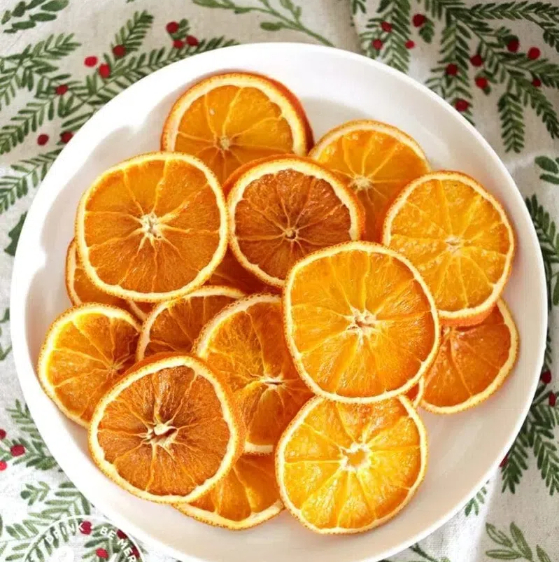
Dehydrating oranges without a dehydration machine is a simple and rewarding process that can be achieved using common household appliances like an oven or air fryer. This method not only preserves the vibrant color and flavor of oranges but also allows for creative uses in cooking and decoration. In this article, we will explore the techniques for dehydrating oranges without specialized equipment and discuss the broader context of food dehydration technology.
Introduction to Food Dehydration
Food dehydration is a process that removes moisture from food to preserve it for longer periods. This technique is widely used in the food industry to enhance shelf life, reduce storage space, and create diverse products. While industrial food dehydration machines are efficient and precise, they are not always necessary for small-scale dehydration tasks like drying oranges.
Importance of Food Dehydration
Food dehydration plays a crucial role in modern food processing. It helps in:
- Preservation: By removing moisture, dehydration prevents the growth of bacteria and mold, extending the shelf life of food.
- Texture and Flavor Enhancement: Dehydration can concentrate flavors and improve textures, making food more appealing.
- Energy Efficiency: Dehydrated foods are lighter and easier to transport, reducing energy consumption during transportation.
Dehydrating Oranges without a Dehydration Machine
Dehydrating oranges without a specialized machine can be done using an oven or air fryer. Here are step-by-step guides for both methods:
Oven Method
1. Preparation:
- Wash and dry the oranges thoroughly.
- Slice them into thin rounds, about 1/4 inch thick, using a mandoline or sharp knife.
- Pat the slices dry with a paper towel to remove excess moisture.
2. Setup:
- Line a baking sheet with parchment paper.
- Arrange the orange slices in a single layer, ensuring they do not overlap.
3. Dehydration:
- Preheat the oven to its lowest temperature setting (usually around 200°F).
- Place the baking sheet in the oven and dehydrate for 3 to 4 hours, flipping the slices every hour.
4. Storage:
- Once dry, remove the slices from the oven and let them cool completely.
- Store them in an airtight container to maintain freshness.
Air Fryer Method
1. Preparation:
- Wash and dry the oranges.
- Slice them into thin rounds, about 1/4 inch thick.
2. Setup:
- Line the air fryer basket with parchment paper.
- Arrange the orange slices in a single layer.
3. Dehydration:
- Preheat the air fryer to its lowest temperature setting (usually around 180°F).
- Dehydrate for 1 to 1.5 hours, flipping the slices every 30 minutes.
4. Storage:
- Once dry, remove the slices from the air fryer and let them cool completely.
- Store them in an airtight container.
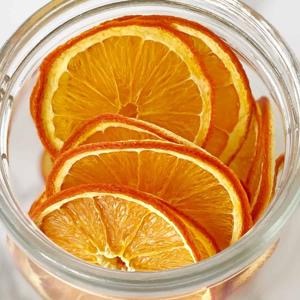
Enhancing Dehydrated Oranges
To add an extra layer of flavor and visual appeal to your dehydrated oranges, consider coating them with sugar or spices:
- Sugar Coating: Dip each slice into a bed of granulated sugar for a sweet and crunchy texture.
- Spice Coating: Sprinkle cinnamon or other spices over the slices for added flavor.
Industrial Food Dehydration Machines
While household methods are convenient for small batches, industrial food dehydration machines are essential for large-scale food processing. These machines offer precision temperature control, high efficiency, and automation, making them ideal for commercial use.
Features of Industrial Dehydration Machines
- Temperature Control: Precise temperature settings ensure consistent dehydration results.
- Automation: Automated processes reduce labor costs and increase productivity.
- Energy Efficiency: Modern machines are designed to minimize energy consumption while maximizing output.
Applications of Industrial Dehydration Machines
Industrial dehydration machines are used in various sectors:
- Food Industry: For drying fruits, vegetables, meats, and herbs.
- Pharmaceuticals: To dry active ingredients and improve shelf life.
- Cosmetics: For drying botanicals used in skincare products.
Benefits for Businesses
Using industrial dehydration machines can significantly benefit businesses by:
- Increasing Product Shelf Life: Dehydrated products last longer, reducing waste and increasing sales.
- Enhancing Product Quality: Consistent dehydration ensures uniform texture and flavor.
- Reducing Costs: Automated processes save labor costs and improve efficiency.
Creative Uses of Dehydrated Oranges
Dehydrated oranges can be used in a variety of creative ways:
- Cocktails and Beverages: Use them as garnishes for cocktails or infuse them in teas.
- Baked Goods: Add them to cakes, muffins, or cookies for a burst of citrus flavor.
- Decorations: Use them in wreaths or as a centerpiece for a rustic, natural look.
Conclusion
Dehydrating oranges without a dehydration machine is a straightforward process that can be accomplished using an oven or air fryer. This method not only preserves the vibrant color and flavor of oranges but also allows for creative uses in cooking and decoration. For larger-scale operations, industrial food dehydration machines provide efficiency and precision, making them a vital component of the food processing industry.
FAQs
1. What are the benefits of dehydrating oranges?
Dehydrating oranges helps preserve them for longer periods, enhances their flavor, and allows for creative uses in cooking and decoration.
2. How do I store dehydrated oranges?
Store dehydrated oranges in an airtight container to maintain freshness and prevent moisture from affecting them.
3. Can I use other citrus fruits for dehydration?
Yes, other citrus fruits like lemons, limes, and grapefruits can be dehydrated using similar methods.
4. What is the difference between oven and air fryer dehydration methods?
The oven method takes longer (3-4 hours) but can handle larger quantities, while the air fryer method is faster (1-1.5 hours) but suitable for smaller batches.
5. How do industrial dehydration machines enhance food processing?
Industrial dehydration machines offer precision, automation, and energy efficiency, making them ideal for large-scale food processing operations.
Citations:
[1] https://sugarandcharm.com/how-to-dehydrate-oranges
[2] https://patents.google.com/patent/CN110207480A/zh
[3] https://www.stonegableblog.com/the-best-way-to-dry-oranges-so-they-stay-vibrant/
[4] https://patents.google.com/patent/CN114753102B/zh
[5] https://www.firstdayofhome.com/how-to-make-dried-orange-slices/
[6]https://tw.news.yahoo.com/%E5%B7%A5%E6%A5%AD%E7%94%A8%E8%84%AB%E6%B2%B9%E6%A9%9F%E3%80%81%E5%B7%A5%E6%A5%AD%E7%94%A8%E8%84%AB%E6%B0%B4%E6%A9%9F%E6%B0%B8%E9%8B%BC%E9%A3%9F%E5%93%81%E5%B7%A5%E6%A5%AD-071546180.html?_guc_consent_skip=1719138927
[7] https://hildaskitchenblog.com/recipe/dehydrated-oranges-dehydrator-and-oven-directions/
[8] https://patents.google.com/patent/CN1405396A/zh
[9] https://tyberrymuch.com/dehydrated-orange-slices-oven-airfryer/


