Content Menu
● Introduction
● Understanding Food Waste Drying Machines
>> What is a Food Waste Drying Machine?
>> How Does It Work?
● Benefits of Using Food Waste Drying Machines
>> 1. Volume Reduction
>> 2. Odor Elimination
>> 3. Pathogen Destruction
>> 4. Versatility
>> 5. Eco-Friendly Solution
● Applications of Food Waste Drying Machines
>> 1. Hospitality Industry
>> 2. Educational Institutions
>> 3. Healthcare Facilities
>> 4. Food Processing Industries
>> 5. Cruise Ships and Offshore Facilities
● Choosing the Right Food Waste Drying Machine
>> 1. Capacity
>> 2. Energy Efficiency
>> 3. Ease of Use
>> 4. Maintenance Requirements
>> 5. Additional Features
● The Future of Food Waste Management
>> Integration with Smart Technologies
>> Improved Energy Efficiency
>> Expanded Applications
● Conclusion
● Frequently Asked Questions
>> 1. What is the average reduction in waste volume achieved by food waste drying machines?
>> 2. Can food waste drying machines handle all types of food waste?
>> 3. Are food waste drying machines energy-efficient?
>> 4. What can be done with the dried output from these machines?
>> 5. How do food waste drying machines contribute to sustainability?
Introduction
In an era where environmental consciousness is paramount, the management of food waste has become a critical concern for businesses, institutions, and households alike. Enter the food waste drying machine, a revolutionary technology that's changing the game in sustainable waste management. These innovative devices, also known as food waste dehydrators, are designed to significantly reduce the volume and weight of organic waste, paving the way for more efficient and eco-friendly disposal methods.
Understanding Food Waste Drying Machines
What is a Food Waste Drying Machine?
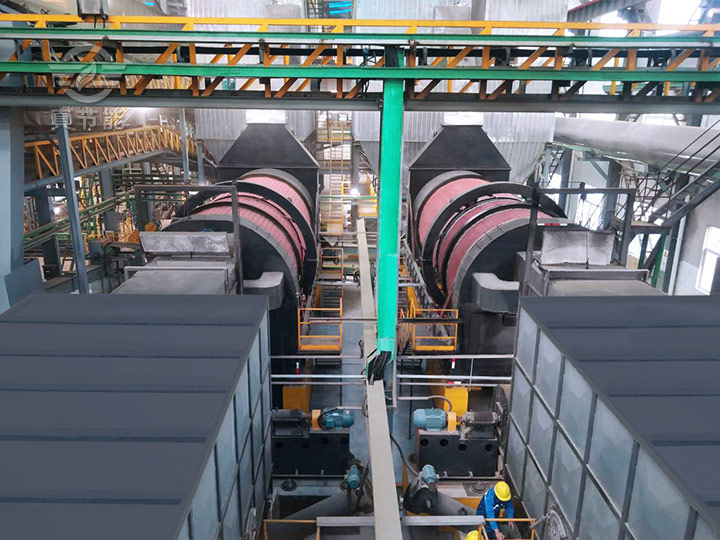
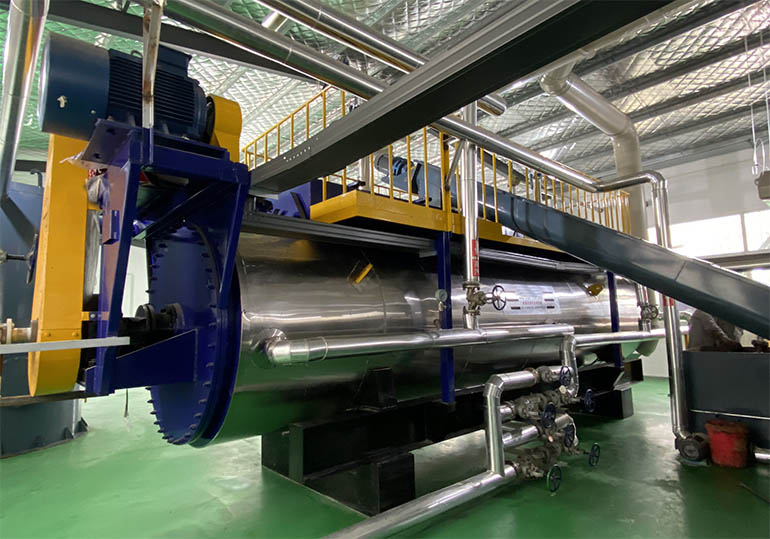
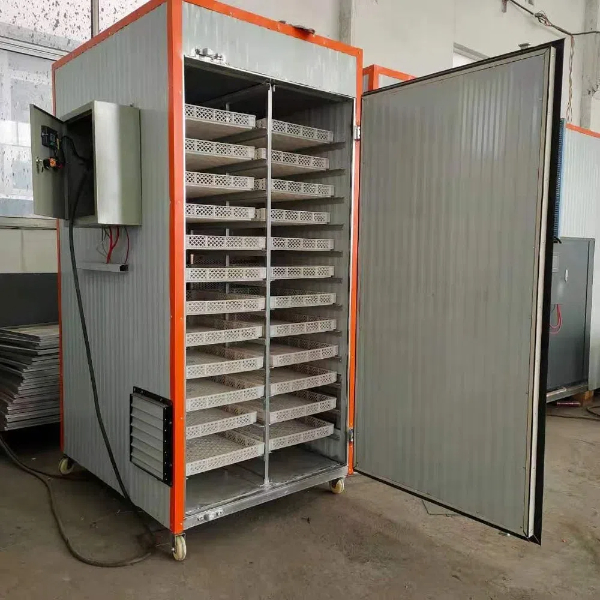
A food waste drying machine, or commercial food waste dryer, is an advanced piece of equipment designed to process and dehydrate organic waste. These machines use high heat recirculation technology to remove moisture from food waste, resulting in a dry, sterile, and significantly reduced end product. The process not only decreases the volume and weight of waste by up to 90% but also eliminates odors and potential pathogens.
How Does It Work?
The operation of a food waste drying machine is relatively straightforward:
1. Waste Collection: Organic waste is collected and fed into the machine.
2. Heating: The waste is subjected to high temperatures, typically around 100-180°C (212-356°F).
3. Dehydration: Moisture is extracted from the waste through evaporation.
4. Sterilization: The high temperatures also sterilize the waste, killing harmful bacteria.
5. Grinding: Some models include a grinding mechanism to further reduce the size of the dried waste.
6. Collection: The final product is collected, ready for disposal or further processing.
Benefits of Using Food Waste Drying Machines
1. Volume Reduction
One of the primary advantages of food waste drying machines is their ability to significantly reduce waste volume. By removing moisture, these industrial organic waste processors can shrink waste volume by up to 90%. This dramatic reduction means less frequent waste collection, lower transportation costs, and reduced landfill usage.
2. Odor Elimination
Food waste is notorious for producing unpleasant odors, especially when left to decompose. Food waste drying machines effectively eliminate these odors by removing moisture and sterilizing the waste. This makes them ideal for use in various settings, from commercial kitchens to offshore vessels where space is limited and odor control is crucial.
3. Pathogen Destruction
The high temperatures used in the drying process not only remove moisture but also destroy harmful pathogens. This sterilization process ensures that the end product is safe to handle and reduces the risk of disease transmission.
4. Versatility
Food waste volume reduction systems can handle a wide variety of organic waste, including fruits, vegetables, meat, fish, and even small bones. This versatility makes them suitable for use in diverse environments, from small restaurants to large industrial kitchens.
5. Eco-Friendly Solution
By reducing the volume of waste sent to landfills, food waste drying machines contribute to a more sustainable waste management approach. The dried output can often be used as a soil amendment or converted into animal feed, further enhancing its eco-friendly credentials.
Applications of Food Waste Drying Machines
Food waste drying technology has found applications across various sectors:
1. Hospitality Industry
Hotels and restaurants generate significant amounts of food waste daily. By implementing food waste drying machines, these establishments can dramatically reduce their waste volume, leading to cost savings in disposal and improved hygiene standards.
2. Educational Institutions
Schools, colleges, and universities with large cafeterias can benefit from these machines. They not only help manage waste more efficiently but also provide opportunities for educational programs on sustainability and waste management.
3. Healthcare Facilities
Hospitals and nursing homes can use food waste drying machines to manage organic waste from their kitchens, ensuring hygienic disposal and reduced waste volumes.
4. Food Processing Industries
Large-scale food processors can integrate these machines into their waste management systems, turning food by-products into valuable resources like animal feed or compost.
5. Cruise Ships and Offshore Facilities
In environments where space is at a premium, such as cruise ships or offshore oil rigs, food waste drying machines offer an efficient solution for managing organic waste without the need for large storage areas.
Choosing the Right Food Waste Drying Machine
When selecting a food waste drying machine, several factors should be considered:
1. Capacity
Machines come in various sizes, from small units processing 20-50 kg per day to large industrial models handling several tons. Choose a capacity that matches your waste generation volume.
2. Energy Efficiency
Look for models with good energy efficiency ratings to minimize operational costs and environmental impact.
3. Ease of Use
Opt for machines with user-friendly interfaces and automated features for smooth operation.
4. Maintenance Requirements
Consider the maintenance needs of the machine. Some models offer low maintenance costs and easy-to-clean designs.
5. Additional Features
Some food waste drying machines come with extra features like built-in scales, odor control systems, or data logging capabilities for waste tracking.
The Future of Food Waste Management
As we move towards a more sustainable future, food waste drying machines are set to play an increasingly important role in waste management strategies. These machines align perfectly with the growing emphasis on circular economy principles, where waste is viewed as a resource rather than a problem.
Integration with Smart Technologies
The next generation of food waste drying machines is likely to incorporate smart technologies. This could include IoT-enabled devices that provide real-time data on waste processing, predictive maintenance alerts, and integration with broader waste management systems.
Improved Energy Efficiency
Ongoing research is focused on improving the energy efficiency of these machines. Future models may incorporate renewable energy sources or waste heat recovery systems to further reduce their environmental impact.
Expanded Applications
As technology advances, we may see food waste drying machines adapted for use in smaller settings, such as individual households or small businesses. This could revolutionize domestic waste management practices.
Conclusion
Food waste drying machines represent a significant leap forward in sustainable waste management. By dramatically reducing waste volume, eliminating odors, and creating a sterile end product, these machines offer a practical solution to the growing challenge of food waste disposal. From large industrial kitchens to offshore facilities, the applications of this technology are vast and growing.
As we continue to seek innovative ways to minimize our environmental impact, food waste drying machines stand out as a prime example of how technology can be harnessed to create more sustainable practices. By turning what was once considered waste into a potential resource, these machines are not just solving a problem – they're opening up new possibilities for a more circular, sustainable future.
The journey towards more sustainable waste management practices is ongoing, and food waste drying machines are undoubtedly playing a crucial role in this evolution. As technology continues to advance and awareness of environmental issues grows, we can expect to see even more innovative solutions emerging in the field of food waste management.
Frequently Asked Questions
1. What is the average reduction in waste volume achieved by food waste drying machines?
Answer: Food waste drying machines can typically reduce waste volume by up to 90%. This significant reduction is achieved through the removal of moisture from the organic waste.
2. Can food waste drying machines handle all types of food waste?
Answer: Most food waste drying machines can handle a wide variety of organic waste, including fruits, vegetables, meat, fish, and even small bones. However, it's always best to check the specifications of your particular model for any limitations.
3. Are food waste drying machines energy-efficient?
Answer: Many modern food waste drying machines are designed with energy efficiency in mind. However, the energy consumption can vary depending on the model and capacity. It's important to consider energy efficiency ratings when choosing a machine.
4. What can be done with the dried output from these machines?
Answer: The dried output from food waste drying machines can often be used as a soil amendment or converted into animal feed. In some cases, it can also be used as a biomass fuel source.
5. How do food waste drying machines contribute to sustainability?
Answer: Food waste drying machines contribute to sustainability in several ways:
- They reduce the volume of waste sent to landfills
- They minimize greenhouse gas emissions associated with waste transportation
- The dried output can be used as a resource (e.g., compost or animal feed), promoting a circular economy
- They help in reducing the overall carbon footprint of waste management processes


