Content Menu
● Understanding Heat Pump Dryers
>> Key Features of Heat Pump Dryers
>> Advantages Over Traditional Dryers
● Preparing for Transportation
● Can You Transport a Heat Pump Dryer on Its Side?
● Loading and Unloading
>> Visual Guide for Transporting a Heat Pump Dryer
>>> Heat Pump Dryer Preparation
>>> Loading Process
>>> Unloading Safely
● Setting Up After Transportation
>> Common Issues Post-Transportation
● Conclusion
● FAQ
>> 1. How long should I wait before using my heat pump dryer after moving it?
>> 2. What should I do if my heat pump dryer is not drying clothes properly after transport?
>> 3. Is it safe to stack my heat pump dryer with other appliances during transportation?
>> 4. Can I use my heat pump dryer in an unventilated space?
>> 5. What maintenance does my heat pump dryer require after transportation?
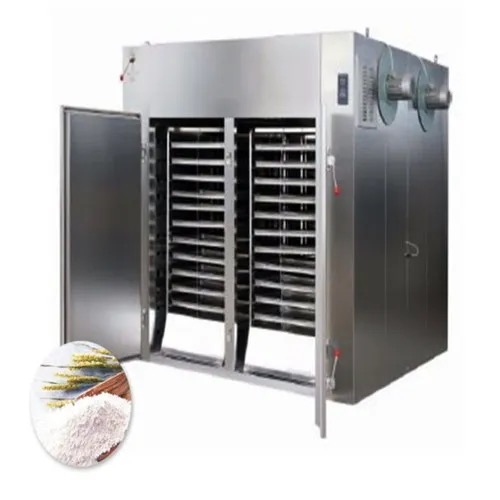
Transporting a heat pump dryer requires careful consideration to ensure that the appliance functions optimally after relocation. While this article focuses on the transportation of heat pump dryers, it also provides insights into food drying machines, which are increasingly popular in the food processing industry.
Understanding Heat Pump Dryers
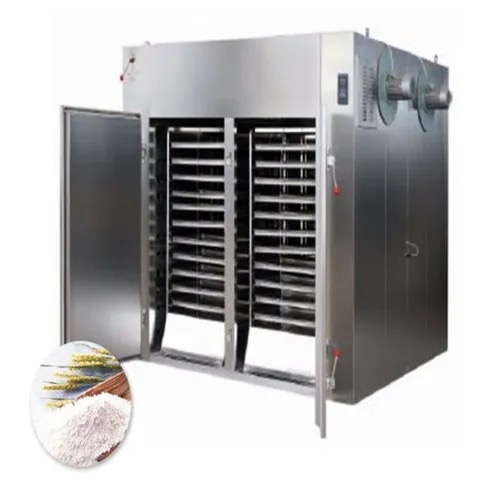
Heat pump dryers are innovative appliances that utilize a heat pump to dry clothes efficiently. They work by extracting moisture from the air and recycling it, making them energy-efficient and environmentally friendly. Unlike traditional dryers, heat pump dryers operate at lower temperatures, which helps preserve the quality of fabrics.
Key Features of Heat Pump Dryers
- Energy Efficiency: Heat pump dryers consume less energy compared to conventional dryers. They can reduce energy consumption by up to 50%, making them an eco-friendly choice.
- Gentle Drying: They operate at lower temperatures, reducing the risk of fabric damage. This is particularly beneficial for delicate fabrics that may shrink or become damaged in high heat.
- Moisture Recycling: The moisture extracted is condensed and reused in the drying process, minimizing water waste and contributing to their efficiency.
- Versatility: Suitable for various fabrics, including delicate items like silk or wool, as well as heavier materials like towels and bedding.
Advantages Over Traditional Dryers
Heat pump dryers have several advantages over traditional vented dryers:
- No Need for External Venting: Since they recycle air rather than venting it outside, they can be placed in any room without requiring external ductwork.
- Lower Operating Costs: Although they may have a higher initial purchase price, their energy efficiency leads to lower utility bills over time.
- Reduced Environmental Impact: By using less energy and water, heat pump dryers contribute to a smaller carbon footprint compared to traditional models.
Preparing for Transportation
When preparing to transport a heat pump dryer, follow these steps to ensure safe and effective relocation:
1. Disconnect the Dryer: Unplug the dryer from the power source and disconnect any venting or drainage systems. This step is crucial for safety and prevents any electrical hazards during transport.
2. Clean the Appliance: Remove lint and debris from filters and compartments to prevent any blockages during transport. Cleaning ensures that your dryer operates efficiently once reinstalled.
3. Secure Loose Parts: Ensure that all removable parts, such as trays or filters, are secured or removed to prevent damage during movement. This can include securing doors with tape or removing them entirely if necessary.
4. Protect the Exterior: Use blankets or bubble wrap to protect the exterior of the dryer from scratches or dents during transportation. Wrapping the appliance helps maintain its appearance and functionality.
5. Consider Weight Distribution: Ensure that weight is evenly distributed when loading the dryer onto a vehicle to prevent tipping or damage. Improper weight distribution can lead to accidents during transport.
Can You Transport a Heat Pump Dryer on Its Side?
Transporting a heat pump dryer on its side is generally not recommended due to several reasons:
- Compressor Damage: The compressor inside the dryer can be damaged if the appliance is laid on its side due to oil leakage. This can lead to costly repairs or even render the dryer unusable.
- Fluid Movement: The refrigerant fluid can move into areas where it shouldn't be, potentially leading to malfunction. If this happens, it may require professional servicing to restore functionality.
- Warranty Concerns: Many manufacturers specify that their appliances should be transported upright to maintain warranty validity. Transporting on its side may void any existing warranty coverage.
If you must transport it on its side due to space constraints, consult the manufacturer's guidelines for specific instructions on how long it should remain upright before use after transport.
Loading and Unloading
When loading and unloading a heat pump dryer, follow these safety tips:
- Use Proper Equipment: Utilize dollies or hand trucks designed for heavy appliances to avoid injuries. This equipment helps distribute weight evenly and makes moving easier.
- Get Help: Always have at least one other person assist you when lifting heavy items like dryers. Teamwork reduces strain and minimizes the risk of accidents.
- Maintain Control: Ensure you have a firm grip on the appliance at all times during movement. Move slowly and carefully to avoid dropping or damaging the dryer.

Visual Guide for Transporting a Heat Pump Dryer
Heat Pump Dryer Preparation
1. Disconnect all power sources.
2. Clean lint filters thoroughly.
3. Secure loose components with tape.
4. Wrap in protective materials.
5. Load onto a dolly for transport.
Loading Process
1. Position the dolly next to the dryer.
2. Tilt slightly and slide it onto the dolly.
3. Secure with straps if necessary.
4. Carefully maneuver through doorways.
5. Load into a vehicle with care.
Unloading Safely
1. Remove from vehicle using a dolly.
2. Set down gently in a designated area.
3. Unwrap protective materials carefully.
4. Reconnect all systems securely.
5. Level the appliance before use.
Setting Up After Transportation
Once you have successfully transported your heat pump dryer, it's essential to set it up correctly for optimal performance:
1. Allow Time to Settle: If transported on its side, allow the dryer to sit upright for at least 24 hours before plugging it in. This ensures any fluids return to their designated areas, preventing potential damage upon startup.
2. Level the Appliance: Use a level tool to ensure that your dryer is perfectly level on the floor. An unlevel appliance can lead to vibrations that may cause wear over time or affect drying efficiency.
3. Reconnect All Systems: Reattach any venting or drainage systems securely before plugging in the appliance. Double-check connections for leaks or blockages that could hinder performance.
4. Test Functionality: Run a short cycle without clothes to ensure everything is functioning correctly before using it for laundry. Listen for unusual sounds that may indicate issues with installation or internal components.
5. Regular Maintenance Checks: After setup, schedule regular maintenance checks every few months to ensure optimal performance and longevity of your appliance.
Common Issues Post-Transportation
After transportation, users may encounter several common issues with their heat pump dryers:
- Inconsistent Drying Performance: If clothes are still damp after drying cycles, check for proper airflow and ensure filters are clean.
- Unusual Noises During Operation: Strange sounds might indicate loose components or issues with internal parts; investigate immediately to prevent further damage.
- Error Codes Displayed: Many modern dryers have error codes that indicate specific problems; refer to your user manual for troubleshooting guidance based on these codes.
Conclusion
Transporting a heat pump dryer requires careful planning and execution to prevent damage and ensure optimal performance after relocation. By following best practices for preparation, loading, unloading, and setup, users can enjoy their appliance's benefits without compromising its integrity.
In addition, understanding how these machines work can help food processing companies make informed decisions when investing in food drying technologies. As demand for energy-efficient solutions grows, both residential and commercial sectors are increasingly adopting heat pump technology in various applications such as food preservation and textile care.
Heat pump technology not only enhances drying efficiency but also aligns with sustainability goals by reducing energy consumption and environmental impact—making them an excellent choice for modern households and businesses alike.
FAQ
1. How long should I wait before using my heat pump dryer after moving it?
After moving your heat pump dryer, it's recommended to wait at least 24 hours before using it if it was transported on its side. This allows any refrigerant fluids to settle back into their designated areas.
2. What should I do if my heat pump dryer is not drying clothes properly after transport?
If your heat pump dryer is not drying clothes effectively after transport, check for proper leveling and ensure all connections are secure. If issues persist, consult a technician for further diagnosis.
3. Is it safe to stack my heat pump dryer with other appliances during transportation?
It is not advisable to stack your heat pump dryer with other appliances during transportation as this can lead to damage or malfunction. Always keep appliances separate and secure during transit.
4. Can I use my heat pump dryer in an unventilated space?
While heat pump dryers are designed for energy efficiency and moisture recycling, they still require some ventilation for optimal performance. Avoid placing them in completely sealed spaces without airflow.
5. What maintenance does my heat pump dryer require after transportation?
After transporting your heat pump dryer, perform routine maintenance such as cleaning lint filters and checking hoses for blockages regularly ensures longevity and efficiency of your appliance.


