As a leading OEM provider for food drying machines in China, we understand the importance of easy installation and operation for our international clients. This article will guide you through the process of setting up a penetration type dryer, focusing on key steps, safety considerations, and troubleshooting tips. We will also highlight the benefits of using these dryers in food processing industries.
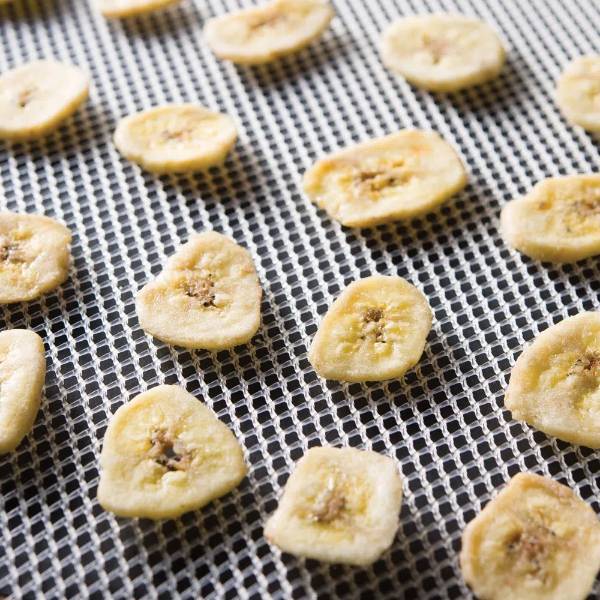
Introduction to Penetration Type Dryers
Penetration type dryers are designed to efficiently dry food products by allowing hot air to penetrate through the material, ensuring uniform drying. These dryers are ideal for drying fruits, vegetables, and other food items that require precise temperature control.
Key Features:
1. Efficient Drying: Uniform drying ensures that the final product retains its nutritional value and texture.
2. Energy Efficiency: Optimized heat transfer reduces energy consumption.
3. Versatility: Suitable for a wide range of food products.
Pre-Installation Checklist
Before starting the installation, ensure you have the following:
1. Space Allocation: Ensure there is enough space around the dryer for easy maintenance and operation.
2. Electrical Supply: Confirm that the electrical supply meets the dryer's power requirements.
3. Ventilation System: Install a proper ventilation system to remove moisture and heat.
4. Safety Equipment: Install fire alarms and ensure easy access to fire extinguishers.
Installation Steps
Step 1: Unpacking and Placement
- Unpack Carefully: Handle the dryer with care to avoid damage.
- Positioning: Place the dryer on a level surface, ensuring stability and accessibility.
Step 2: Connecting Electrical Components
- Disconnect Power: Ensure the power is off before connecting electrical components.
- Connect Power Cord: Use a UL-recognized strain relief to secure the power cord.
Step 3: Setting Up Ventilation
- Install Ventilation Ducts: Use UL-listed materials for the ducts to ensure safety.
- Secure Ducts: Ensure all connections are secure to prevent leaks.
Step 4: Final Checks
- Leak Test: Check for any leaks in the ventilation system.
- Power Test: Turn on the dryer to ensure all components are functioning correctly.
Safety Considerations
1. Fire Risk: Ensure that the area around the dryer is clear of flammable materials.
2. Electrical Safety: Use proper grounding to prevent electrical shocks.
Troubleshooting Tips
1. Uneven Drying: Check for blockages in the air flow system.
2. Overheating: Ensure the ventilation system is functioning correctly.
Customization Options
Penetration type dryers can be customized to meet specific drying requirements for different types of food products. This includes adjusting temperature and air flow settings. For example, drying delicate herbs may require lower temperatures compared to drying robust vegetables.
Customization Benefits:
1. Enhanced Product Quality: Customized drying conditions help preserve the natural flavor and texture of food products.
2. Increased Efficiency: Optimized settings reduce energy consumption and improve drying speed.
Maintenance and Upkeep
Regular maintenance is crucial to ensure the longevity and efficiency of the dryer. Here are some tips:
1. Clean Filters Regularly: Clogged filters can reduce airflow and efficiency.
2. Check for Wear and Tear: Regularly inspect moving parts for signs of wear.
3. Schedule Professional Maintenance: Have a professional inspect the dryer every year to ensure optimal performance.
Environmental Impact
Penetration type dryers are designed to be environmentally friendly by reducing energy consumption and minimizing waste. They help preserve food products without using excessive resources, making them a sustainable choice for food processing.
Environmental Benefits:
1. Energy Efficiency: Reduced energy consumption lowers carbon footprint.
2. Food Preservation: Efficient drying helps reduce food waste by preserving products for longer periods.
Conclusion
Setting up a penetration type dryer is a straightforward process when you follow the right steps and safety guidelines. These dryers offer efficient and cost-effective solutions for food drying, making them an essential tool in the food processing industry. With customization options and regular maintenance, you can optimize their performance and extend their lifespan.

Frequently Asked Questions
1. What are the benefits of using penetration type dryers in food processing?
Penetration type dryers provide uniform drying, which helps retain the nutritional value and texture of food products. They are also energy-efficient, reducing operational costs.
2. How do I ensure safety during the installation process?
Ensure the area is clear of flammable materials, use proper grounding for electrical safety, and install fire alarms nearby.
3. What type of ventilation system is recommended for penetration type dryers?
Use a UL-listed ventilation system to ensure safety and efficiency. Proper ventilation helps remove moisture and heat, preventing overheating.
4. How often should I perform maintenance on the dryer?
Regular maintenance should be performed every 3-6 months to ensure optimal performance and extend the lifespan of the dryer.
5. Can penetration type dryers be customized for specific food products?
Yes, these dryers can be customized to meet specific drying requirements for different types of food products. This includes adjusting temperature and air flow settings.
Citations:
[1] https://www.retailspecs.com/files/pdf/attachment/88471/Installation_Instructions.pdf
[2] https://patents.google.com/patent/CN110207480A/zh
[3] https://pdf.lowes.com/productdocuments/60e12666-4968-4656-840a-c107e6e2faa4/11150885.pdf
[4] https://patents.google.com/patent/CN112481977B/zh
[5] https://www.dryeratech.com/hang-type-dryer-installation-what-you-need-to-know.html
[6] https://patents.google.com/patent/CN109252340A/zh
[7] https://www.dryermaster.com/userContent/documents/Installation%20Guide%20-%202019.pdf
[8] https://patents.google.com/patent/WO2017197612A1/zh


