Content Menu
● Introduction to Dry Pet Food Processing
● The Manufacturing Process of Dry Pet Food
>> 1. Ingredient Preparation and Mixing
>> 2. Extrusion: The Heart of Dry Pet Food Production
>> 3. Drying and Cooling
>> 4. Coating and Flavoring
>> 5. Packaging and Quality Control
● Advancements in Dry Pet Food Processing Technology
>> Automation and Smart Controls
>> Energy Efficiency and Sustainability
>> Flexibility in Production
● Benefits of Advanced Dry Pet Food Processing Machines
>> 1. Improved Nutritional Value
>> 2. Enhanced Food Safety
>> 3. Increased Production Efficiency
>> 4. Customization Capabilities
>> 5. Reduced Environmental Impact
● The Future of Dry Pet Food Processing
>> 1. Internet of Things (IoT) Integration
>> 3D Printing Technology
>> Sustainable Ingredient Processing
● Choosing the Right Dry Pet Food Processing Machine
● Conclusion
● Frequently Asked Questions
>> 1. What are the main components of a dry pet food processing machine?
>> 2. How does extrusion technology improve pet food quality?
>> 3. Can dry pet food processing machines handle grain-free formulas?
>> 4. How do dry pet food processing machines ensure food safety?
>> 5. What innovations are expected in future dry pet food processing machines?
Introduction to Dry Pet Food Processing
In the ever-evolving world of pet care, dry pet food processing machines have become the backbone of the pet food industry. These sophisticated pieces of equipment are responsible for transforming raw ingredients into nutritious, shelf-stable kibble that millions of pets around the globe enjoy daily. As pet owners become increasingly conscious about their furry friends' nutrition, the demand for high-quality dry pet food has skyrocketed, pushing manufacturers to innovate and improve their production processes.
Dry pet food processing machines are not just simple appliances; they are complex systems designed to handle various stages of food production, from mixing and extrusion to drying and coating. These machines are the unsung heroes behind the bags of kibble that fill pet store shelves, ensuring that our cats and dogs receive balanced nutrition in a convenient, long-lasting form.
The Manufacturing Process of Dry Pet Food
The journey from raw ingredients to the finished product is a fascinating one, involving several key steps that are all managed by state-of-the-art dry pet food processing machines. Let's break down this process to understand how these machines work their magic.
1. Ingredient Preparation and Mixing
The process begins with the careful selection and preparation of ingredients. Dry pet food processing machines are equipped with advanced mixing systems that combine proteins, grains, vitamins, and minerals in precise ratios. This initial stage is crucial for ensuring that the final product meets nutritional standards and palatability requirements.
2. Extrusion: The Heart of Dry Pet Food Production
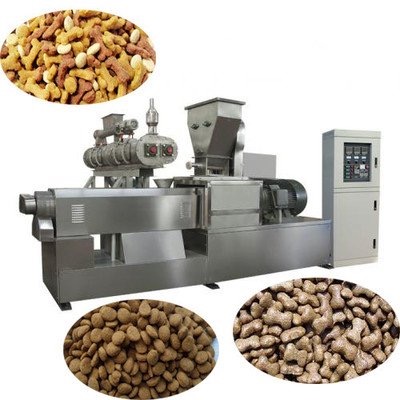
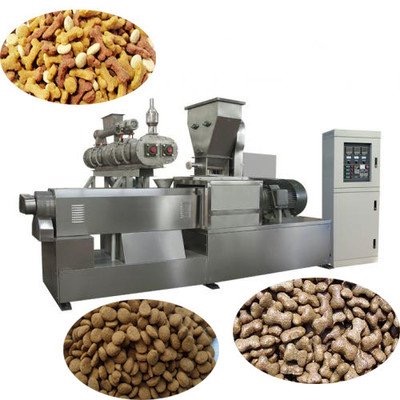
Extrusion is perhaps the most critical step in the dry pet food manufacturing process. The extruder, a core component of the dry pet food processing machine, is where the magic happens. This device applies heat, pressure, and mechanical energy to cook and shape the mixed ingredients into the familiar kibble pieces we recognize.
During extrusion, the mixture is forced through a die under high pressure, expanding as it exits due to the sudden release of steam. This process not only shapes the kibble but also improves digestibility and kills harmful bacteria, ensuring food safety.
3. Drying and Cooling
After extrusion, the kibble must be dried to remove excess moisture and cooled to prevent condensation, which could lead to mold growth. Dry pet food processing machines incorporate sophisticated drying and cooling systems that carefully control temperature and airflow to achieve the optimal moisture content for long-term storage.
4. Coating and Flavoring
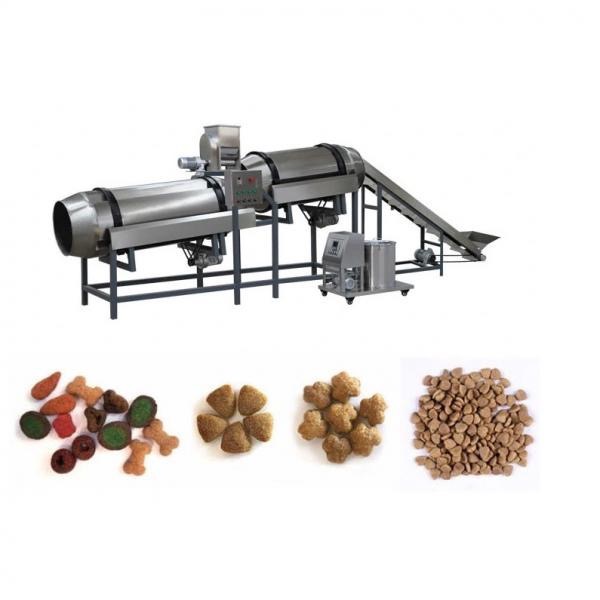
To enhance palatability and nutritional value, the dried kibble passes through a coating system. Here, fats, oils, and flavor enhancers are sprayed onto the surface of the kibble. This step is crucial for making the food appealing to pets and can also be used to add additional nutrients or medications if required.
5. Packaging and Quality Control
The final stage involves packaging the finished product. Modern dry pet food processing machines often include integrated packaging systems that can fill and seal bags of various sizes. Throughout the entire process, quality control measures are in place to ensure consistency, safety, and nutritional adequacy.
Advancements in Dry Pet Food Processing Technology
The pet food industry is constantly evolving, and with it, the technology behind dry pet food processing machines. Recent advancements have focused on improving efficiency, sustainability, and product quality.
Automation and Smart Controls
One of the most significant trends in dry pet food processing is the integration of automation and smart control systems. These advanced features allow for precise control over every aspect of the production process, from ingredient dosing to temperature regulation. Automated systems not only improve consistency but also reduce the risk of human error, leading to higher quality products.
Energy Efficiency and Sustainability
As sustainability becomes a growing concern across all industries, dry pet food processing machine manufacturers are developing more energy-efficient models. For instance, some machines now incorporate heat recovery systems that capture and reuse thermal energy from the extrusion and drying processes, significantly reducing overall energy consumption.
Flexibility in Production
Modern dry pet food processing machines are designed with flexibility in mind. They can easily switch between different recipes and kibble shapes, allowing manufacturers to produce a wide range of products on the same line. This adaptability is crucial in meeting the diverse needs of the pet food market, from grain-free options to breed-specific formulas.
Benefits of Advanced Dry Pet Food Processing Machines
The latest generation of dry pet food processing machines offers numerous benefits to manufacturers and, ultimately, to pet owners and their furry companions.
1. Improved Nutritional Value
Advanced processing techniques allow for better retention of nutrients during the manufacturing process. This means that the final product more closely matches the nutritional profile of the raw ingredients, providing pets with higher quality nutrition.
2. Enhanced Food Safety
Modern dry pet food processing machines incorporate stringent safety measures, including precise temperature controls and sterilization processes. This significantly reduces the risk of contamination and ensures that the pet food meets strict safety standards.
3. Increased Production Efficiency
With automation and smart controls, dry pet food processing machines can operate at higher speeds with greater precision. This increased efficiency translates to higher production volumes and lower costs, making quality pet food more accessible to a broader market.
4. Customization Capabilities
The flexibility of modern machines allows for easy customization of pet food formulas. Manufacturers can quickly adjust recipes to meet specific nutritional requirements or create limited ingredient diets for pets with sensitivities.
5. Reduced Environmental Impact
Energy-efficient designs and sustainable practices in dry pet food processing contribute to a reduced carbon footprint. This aligns with the growing consumer demand for environmentally responsible pet food options.
The Future of Dry Pet Food Processing
As we look to the future, the dry pet food processing industry is poised for even more exciting developments. Here are some trends and innovations that are shaping the next generation of processing machines:
1. Internet of Things (IoT) Integration
The integration of IoT technology into dry pet food processing machines will allow for real-time monitoring and adjustment of production parameters. This will enable predictive maintenance, reducing downtime and optimizing performance.
3D Printing Technology
Some innovators are exploring the use of 3D printing technology in pet food production. This could allow for the creation of custom-shaped kibble or even personalized nutrition plans for individual pets.
Sustainable Ingredient Processing
As alternative protein sources like insects and plant-based proteins gain popularity, dry pet food processing machines will need to adapt to handle these new ingredients effectively.
Choosing the Right Dry Pet Food Processing Machine
For pet food manufacturers, selecting the appropriate dry pet food processing machine is a critical decision that can impact product quality, production efficiency, and profitability. Here are some factors to consider when choosing a machine:
1. Production Capacity: Ensure the machine can meet your current and future production needs.
2. Versatility: Look for machines that can handle a variety of ingredients and produce different kibble shapes and sizes.
3. Energy Efficiency: Consider the long-term cost savings of energy-efficient models.
4. Ease of Cleaning and Maintenance: Machines that are easy to clean and maintain will reduce downtime and ensure food safety.
5. Compliance with Industry Standards: Verify that the machine meets all relevant food safety and quality standards.
Conclusion
Dry pet food processing machines have come a long way from their humble beginnings. Today, they represent the cutting edge of food processing technology, combining precision engineering with advanced nutritional science to produce pet food that is not only convenient but also highly nutritious. As the pet food industry continues to grow and evolve, these machines will play an increasingly important role in meeting the nutritional needs of our beloved pets.
The future of dry pet food processing is bright, with ongoing innovations promising even higher quality products, greater sustainability, and more personalized nutrition options for pets. Whether you're a pet food manufacturer looking to upgrade your equipment or a pet owner curious about how your furry friend's food is made, understanding the intricacies of dry pet food processing machines provides valuable insight into the care and consideration that goes into every kibble.
Frequently Asked Questions
1. What are the main components of a dry pet food processing machine?
Answer: The main components of a dry pet food processing machine typically include a mixer for blending ingredients, an extruder for cooking and shaping the kibble, a dryer for removing excess moisture, a cooler to bring the product to room temperature, and a coating system for adding flavors and nutrients.
2. How does extrusion technology improve pet food quality?
Answer: Extrusion technology improves pet food quality by cooking ingredients at high temperatures and pressures, which enhances digestibility, kills harmful bacteria, and allows for precise control over the texture and shape of the kibble. This process also helps to preserve nutrients and create a shelf-stable product.
3. Can dry pet food processing machines handle grain-free formulas?
Answer: Yes, modern dry pet food processing machines are designed to be versatile and can handle a wide range of formulas, including grain-free options. Manufacturers can adjust the machine settings and ingredients to produce various types of pet food to meet different dietary requirements.
4. How do dry pet food processing machines ensure food safety?
Answer: Dry pet food processing machines ensure food safety through several mechanisms, including precise temperature controls during cooking and extrusion, proper drying to prevent mold growth, and automated systems that minimize human contact with the product. Many machines also incorporate sterilization processes and quality control checkpoints throughout the production line.
5. What innovations are expected in future dry pet food processing machines?
Answer: Future innovations in dry pet food processing machines are likely to include increased automation and IoT integration for real-time monitoring and control, more sustainable and energy-efficient designs, the ability to process alternative protein sources, and potentially the incorporation of 3D printing technology for customized kibble shapes and sizes.


