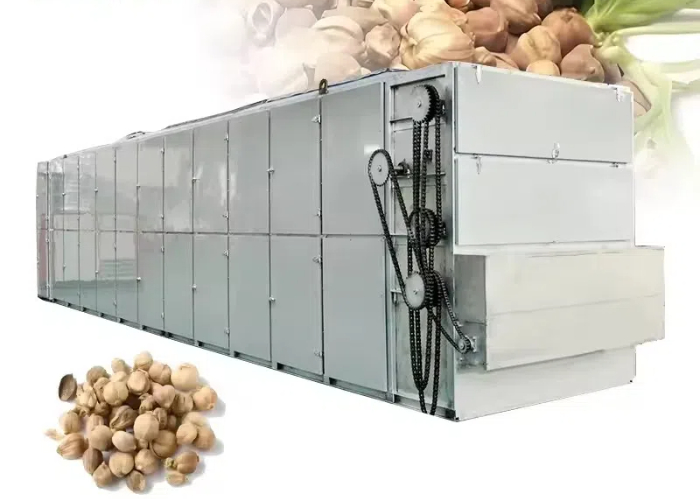
Penetration type dryers are widely used in the food industry for their efficiency and versatility in drying various food products. These machines are designed to provide uniform drying, preserve nutritional value, and reduce energy consumption. However, ensuring safety is paramount when operating such equipment. In this article, we will explore the essential safety features to look for in a penetration type dryer machine, along with tips on maintenance and operation.
Introduction to Penetration Type Dryers
Penetration type dryers are continuous dryers that utilize heat and airflow to accelerate the drying process. They are ideal for processing large volumes of food products, including nuts, spices, seeds, and vegetables. These machines offer adjustable temperature and humidity control, making them suitable for a wide range of food items.
Key Features of Penetration Type Dryers:
1. Energy Efficiency: They consume significantly less energy compared to traditional drying methods, contributing to cost savings and environmental sustainability.
2. Versatility: Adjustable temperature and humidity settings allow for optimal drying conditions for different food products.
3. Maintenance: Designed for easy maintenance with accessible components, reducing downtime.
Safety Features
When selecting or operating a penetration type dryer, several safety features are crucial to ensure safe and efficient operation.
1. Fire Safety
Fire Risk Mitigation:
- Ensure the area around the dryer is clear of flammable materials.
- Install fire alarms and ensure easy access to fire extinguishers.
- Regularly inspect electrical components for signs of wear or damage.
2. Electrical Safety
Preventing Electrical Shocks:
- Use proper grounding to prevent electrical shocks.
- Ensure all electrical components are covered and protected during operation.
- Implement lockout/tagout procedures during maintenance to prevent accidental startup.
3. Ventilation and Overheating Prevention
Proper Ventilation:
- Use a UL-listed ventilation system to remove moisture and heat efficiently.
- Regularly check for blockages in the airflow system to prevent overheating.
- Ensure that the dryer is installed in a well-ventilated area to prevent moisture buildup.
4. Automated Controls
Automated Monitoring:
- Ensure the dryer is equipped with automated controls that monitor temperature, humidity, and airflow.
- This minimizes the need for manual intervention and ensures consistent drying conditions.
- Implement alarms for temperature and humidity deviations to alert operators of potential issues.
5. Regular Maintenance
Maintenance Schedule:
- Clean filters regularly to maintain airflow efficiency.
- Inspect moving parts for wear and tear, and schedule professional maintenance annually.
- Keep a maintenance log to track repairs and replacements.
Customization and Efficiency
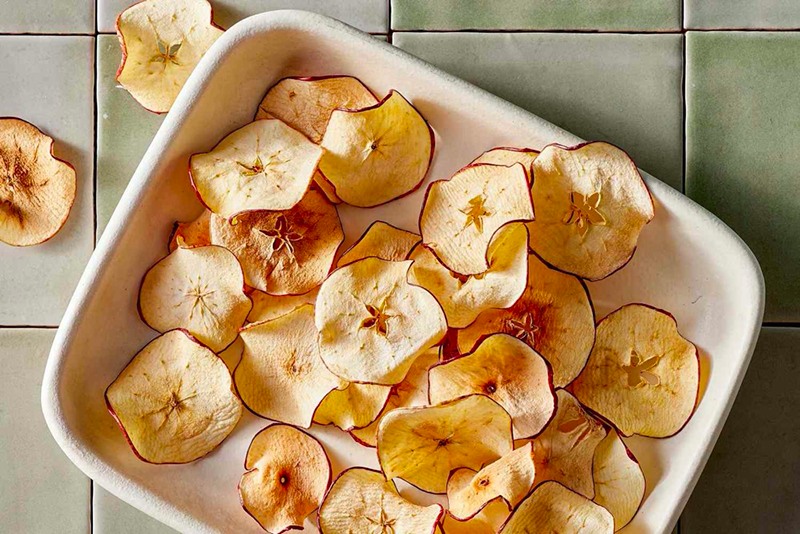
Penetration type dryers can be customized to meet specific drying requirements for different types of food products. This includes adjusting temperature and airflow settings to preserve the natural flavor and texture of food products. For example, delicate herbs may require lower temperatures to prevent loss of aroma, while tougher vegetables may need higher temperatures for efficient drying.
Environmental Sustainability
These dryers are designed to be environmentally friendly by reducing energy consumption and minimizing waste. They help preserve food products without using excessive resources, making them a sustainable choice for food processing. Additionally, by extending the shelf life of food products, they contribute to reducing food waste globally.
Operational Efficiency
To maximize operational efficiency, it's important to optimize the drying process based on the type of food being dried. This includes:
1. Temperature Control: Adjusting temperature settings to ensure optimal drying without overcooking or undercooking the product.
2. Airflow Management: Ensuring consistent airflow to prevent hot spots and ensure uniform drying.
3. Humidity Control: Maintaining optimal humidity levels to prevent moisture buildup and promote efficient drying.
Training and Compliance
Ensuring that operators are well-trained in the safe operation and maintenance of penetration type dryers is crucial. This includes understanding safety protocols, troubleshooting common issues, and adhering to regulatory standards. Regular training sessions can help prevent accidents and ensure compliance with industry regulations.
Conclusion
In conclusion, penetration type dryers offer efficient and cost-effective solutions for food drying, but ensuring safety is critical. By focusing on fire safety, electrical safety, proper ventilation, automated controls, and regular maintenance, you can optimize the performance and lifespan of these machines. Additionally, their customization options and environmental sustainability make them an essential tool in the food processing industry.
Frequently Asked Questions
1. What are the key safety features of a penetration type dryer?
Key safety features include fire safety measures like clear areas and fire alarms, electrical safety through proper grounding, proper ventilation to prevent overheating, automated controls for consistent conditions, and regular maintenance to ensure optimal performance.
2. How do penetration type dryers contribute to environmental sustainability?
These dryers reduce energy consumption significantly compared to traditional methods, contributing to lower carbon emissions and aligning with global efforts to reduce greenhouse gas emissions.
3. What types of food products are suitable for penetration type dryers?
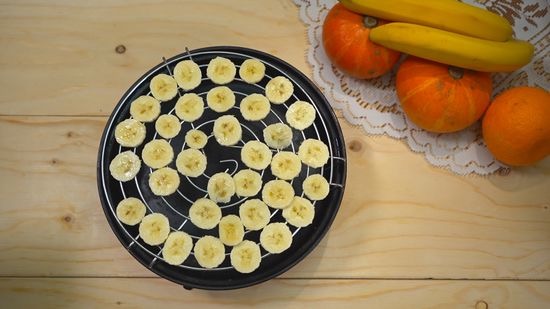
Penetration type dryers are versatile and suitable for drying a wide range of food products, including nuts, spices, seeds, beans, and vegetables.
4. How often should maintenance be performed on a penetration type dryer?
Regular maintenance should be performed every 3 to 6 months to ensure optimal performance and extend the lifespan of the dryer.
5. Can penetration type dryers be customized for specific drying requirements?
Yes, these dryers can be customized by adjusting temperature and airflow settings to meet specific drying requirements for different types of food products.
Citations:
[1] https://www.dryeratech.com/installation-made-easy-setting-up-your-penetration-type-dryer.html
[2] https://en.wikipedia.org/wiki/Paper_machine
[3] https://patents.google.com/patent/CN110207480A/zh
[4] https://www.dryeratech.com/key-features-of-penetration-type-dryer-machines-explained.html
[5] https://www.panasonic.com/sg/consumer/home-appliance/washing-machine/washer-dryer/na-d106x1ws3.html
[6] https://patents.google.com/patent/CN109252340A/zh
[7] https://cdn.ymaws.com/www.almnet.org/resource/resmgr/certification/contact_hour_articles/002_Dryers.pdf
[8] https://www.aimheatpump.com/video/a-products-commercial-aim-large-capacity-heat-pump-dryer
[9] https://www.panasonic.com/mea/en/consumer/home-appliances/laundry/washer-dryer/na-s086m4.html


