Content Menu
● Introduction
● Understanding Dry Food Grinder Machines
>> Key Features of Dry Food Grinder Machines
● Applications of Dry Food Grinder Machines
>> 1. Grain Milling
>> 2. Spice Grinding
>> 3. Coffee Grinding
>> 4. Nut and Seed Processing
>> 5. Herb Grinding
● Choosing the Right Dry Food Grinder Machine
● Maintenance and Care
● Innovative Uses for Your Dry Food Grinder Machine
● The Future of Dry Food Grinder Machines
● Conclusion
● Frequently Asked Questions
>> 1. What's the difference between a dry food grinder machine and a wet grinder?
>> 2. Can I use a dry food grinder machine to make nut butter?
>> 3. How fine can a dry food grinder machine grind ingredients?
>> 4. Is it safe to grind hot spices in a dry food grinder machine?
>> 5. How often should I clean my dry food grinder machine?
Introduction
In today's fast-paced world, efficiency in the kitchen is more important than ever. One tool that has become increasingly popular among home cooks and professional chefs alike is the dry food grinder machine. This versatile appliance has revolutionized the way we prepare ingredients, offering a quick and easy solution for grinding a wide variety of dry foods. From grains and spices to coffee beans and nuts, a high-quality dry food grinder machine can handle it all, saving time and effort in the kitchen.
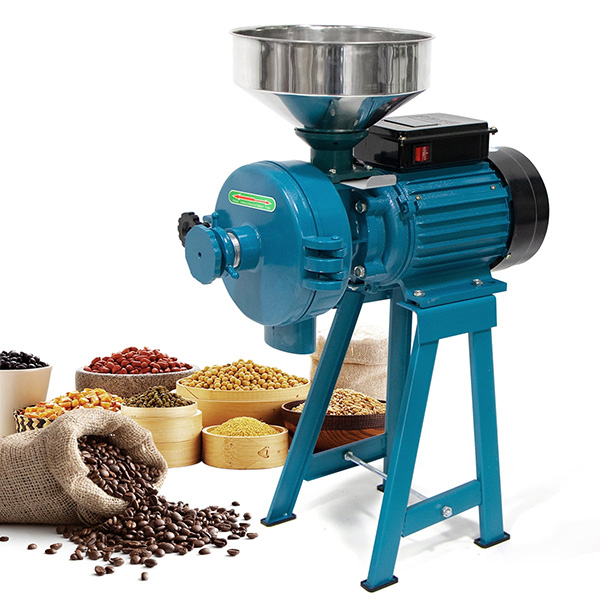
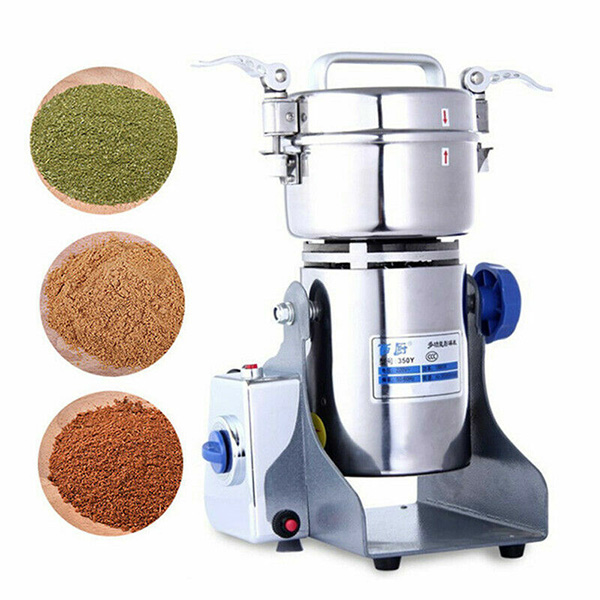
A dry food grinder machine, also known as an electric grain mill or spice grinder, is a powerful kitchen appliance designed to grind, pulverize, and process dry ingredients into fine powders or coarse textures. These machines come in various sizes and capacities, ranging from compact models for home use to large industrial food grinding equipment for commercial kitchens.
Key Features of Dry Food Grinder Machines
1. Powerful Motors: Most dry food grinder machines are equipped with high-speed motors, typically ranging from 150 to 3000 watts, enabling them to grind even the toughest ingredients efficiently.
2. Durable Construction: Many models feature stainless steel grinders and components, ensuring longevity and resistance to wear and tear.
3. Adjustable Grind Settings: Quality grinders offer multiple grind settings, allowing users to achieve the desired texture for their ingredients, from coarse to ultra-fine.
4. Large Capacity: Depending on the model, dry food grinder machines can process anywhere from 100g to 2000g of ingredients in a single batch.
5. Safety Features: Many modern grinders come with built-in safety mechanisms, such as overheating protection and automatic shut-off functions.
Applications of Dry Food Grinder Machines
The versatility of dry food grinder machines makes them indispensable in various culinary applications. Here are some common uses:
1. Grain Milling
One of the primary uses of a dry food grinder machine is to mill grains into flour. Whether you're working with wheat, rice, corn, or other grains, a high-speed grinding machine can quickly transform whole grains into fresh, nutrient-rich flour.
2. Spice Grinding
A spice grinder is essential for anyone who loves to cook with fresh, aromatic spices. From whole peppercorns and coriander seeds to cinnamon sticks and cardamom pods, a dry food grinder can pulverize these ingredients into fine powders, releasing their full flavor potential.
3. Coffee Grinding
For coffee enthusiasts, a dry food grinder machine can double as a high-quality coffee grinder. By grinding your own beans just before brewing, you can ensure the freshest, most flavorful cup of coffee every time.
4. Nut and Seed Processing
From making homemade nut butters to creating finely ground flaxseed for baking, a dry food grinder machine can handle a variety of nuts and seeds with ease.
5. Herb Grinding
Dried herbs can be quickly ground into fine powders, perfect for use in rubs, seasonings, and herbal remedies.
Choosing the Right Dry Food Grinder Machine
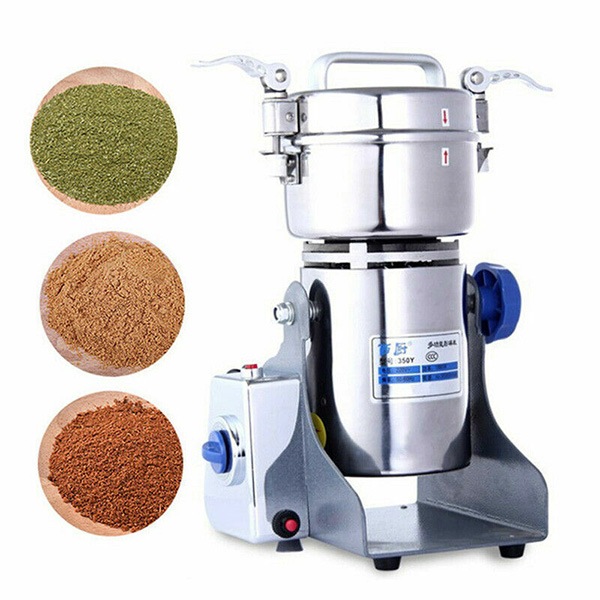
When selecting a dry food grinder machine for your kitchen, consider the following factors:
1. Capacity: Determine how much you'll need to grind at once and choose a model with an appropriate capacity.
2. Power: Look for a machine with a motor powerful enough to handle the types of ingredients you plan to grind.
3. Material: Opt for grinders with stainless steel components for durability and easy cleaning.
4. Grind Settings: Choose a model with multiple grind settings if you need versatility in texture.
5. Noise Level: Some high-speed grinding machines can be quite loud, so consider this if noise is a concern in your household.
6. Price: Dry food grinder machines range from budget-friendly options to high-end commercial models. Determine your budget and choose accordingly.
Maintenance and Care
To ensure the longevity and optimal performance of your dry food grinder machine, follow these maintenance tips:
1. Clean the grinder after each use to prevent residue buildup.
2. Use a brush or dry cloth to remove any remaining particles from the grinding chamber.
3. Avoid grinding oily or wet ingredients, as these can clog the machine.
4. Regularly check and tighten any loose screws or components.
5. Store the grinder in a dry place to prevent moisture damage.
Innovative Uses for Your Dry Food Grinder Machine
Beyond the typical applications, here are some creative ways to use your dry food grinder machine:
1. Make your own gluten-free flours from alternative grains like quinoa or buckwheat.
2. Create custom spice blends for unique flavor profiles in your cooking.
3. Grind dried mushrooms into a fine powder for use as a natural flavor enhancer.
4. Process dried flowers and herbs for homemade teas or potpourri.
5. Make your own powdered sugar from granulated sugar.
The Future of Dry Food Grinder Machines
As technology continues to advance, we can expect to see even more innovative features in future dry food grinder machines. Some potential developments include:
1. Smart connectivity for recipe integration and remote operation.
2. Improved energy efficiency for more sustainable operation.
3. Enhanced grinding mechanisms for even finer and more consistent results.
4. Integration with other kitchen appliances for seamless food preparation.
Conclusion
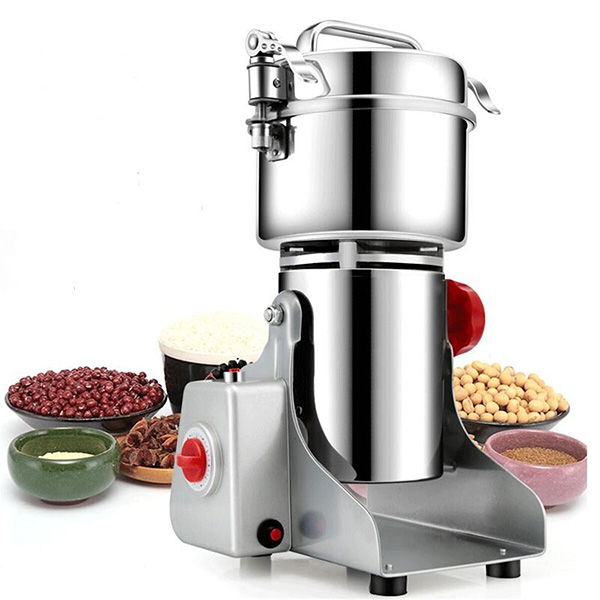
A dry food grinder machine is a versatile and valuable addition to any kitchen. Whether you're a home cook looking to experiment with freshly ground ingredients or a professional chef seeking efficiency in food preparation, these powerful appliances offer numerous benefits. By understanding the features, applications, and maintenance requirements of dry food grinder machines, you can make an informed decision when choosing the right model for your needs. Embrace the convenience and culinary possibilities that come with owning a high-quality dry food grinder machine, and elevate your cooking experience to new heights.Here's a video demonstration of a dry food grinder machine in action:
Frequently Asked Questions
1. What's the difference between a dry food grinder machine and a wet grinder?
Answer: A dry food grinder machine is designed specifically for grinding dry ingredients like grains, spices, and coffee beans. It typically uses a high-speed motor and metal grinding plates or burrs. On the other hand, a wet grinder is used for grinding ingredients with moisture content, such as batters, pastes, and purees. Wet grinders often use stone grinding wheels and operate at lower speeds to prevent overheating.
2. Can I use a dry food grinder machine to make nut butter?
Answer: While some dry food grinder machines can handle nuts, they're not typically designed for making nut butter. The high oil content in nuts can cause clogging and may damage the machine. For making nut butter, it's better to use a food processor or a specialized nut butter maker.
3. How fine can a dry food grinder machine grind ingredients?
Answer: The fineness of the grind depends on the specific model and its settings. High-quality dry food grinder machines can achieve very fine textures, often as fine as flour or powdered sugar. Many models offer adjustable grind settings, allowing you to choose from coarse to ultra-fine grinds.
4. Is it safe to grind hot spices in a dry food grinder machine?
Answer: It's generally not recommended to grind hot or warm spices in a dry food grinder machine. The heat can cause the oils in the spices to release, potentially clogging the grinder or affecting its performance. Always allow spices to cool completely before grinding.
5. How often should I clean my dry food grinder machine?
Answer: It's best to clean your dry food grinder machine after each use to prevent flavor contamination and ensure optimal performance. For thorough cleaning, refer to the manufacturer's instructions, as some parts may be dishwasher safe while others require hand cleaning.


