Content Menu
● Introduction to Food Vacuum Drying Technology
● Understanding the Food Vacuum Drying Process
>> Key Components of Food Vacuum Drying Equipment
● The Growing Market for Industrial Food Dehydration Equipment
>> Market Size and Projections
● Commercial Vacuum Food Dryers: Revolutionizing Food Preservation
>> Advantages for Commercial Applications
● Freeze-Drying Machines: A Subset of Vacuum Drying Technology
>> Applications of Freeze-Drying in Food Preservation
● Food Processing Vacuum Systems: Enhancing Efficiency and Quality
● Vacuum-Sealed Food Storage Solutions
>> Benefits of Vacuum-Sealed Storage
● Energy-Efficient Food Drying Machines: A Sustainable Approach
>> Innovations in Energy Efficiency
● Advanced Food Preservation Techniques: Beyond Vacuum Drying
>> Complementary Preservation Methods
● Vacuum Drying for Food Quality Enhancement
>> Quality Improvements Through Vacuum Drying
● Food Industry Vacuum Drying Innovations
>> Recent Innovations in Vacuum Drying Technology
● Conclusion: The Future of Food Vacuum Drying Machines
● Frequently Asked Questions
>> 1. What are the main advantages of using food vacuum drying machines?
>> 2. How does vacuum drying differ from traditional drying methods?
>> 3. What types of foods can be processed using vacuum drying technology?
>> 4. How does the energy efficiency of vacuum drying compare to other methods?
>> 5. What is the expected growth of the food vacuum drying machine market?
Introduction to Food Vacuum Drying Technology
In recent years, the food industry has witnessed a significant transformation in preservation techniques, with food vacuum drying technology emerging as a game-changer. This innovative approach to food preservation has not only revolutionized the way we process and store food but has also opened up new possibilities for extending shelf life and maintaining nutritional value. As we delve into the world of food vacuum drying machines, we'll explore their impact on the global market, the latest innovations, and the benefits they bring to both commercial and industrial applications.
Understanding the Food Vacuum Drying Process
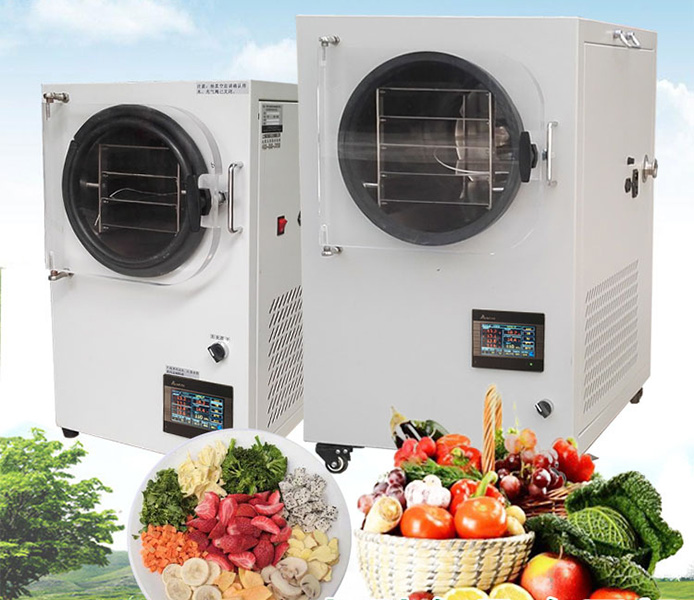
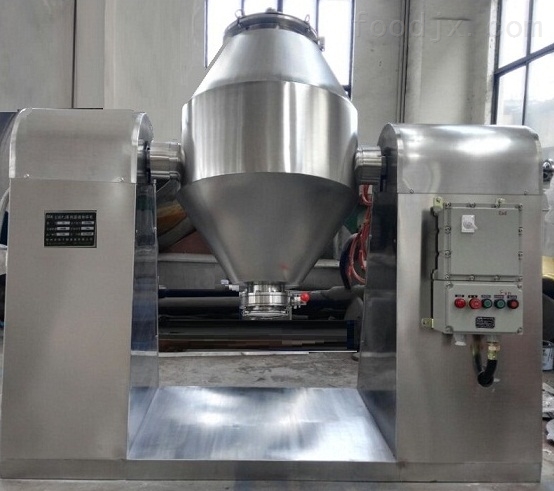
Food vacuum drying is a sophisticated method that removes moisture from food products under reduced pressure conditions. This process allows for the evaporation of water at lower temperatures compared to traditional drying methods, which helps preserve the food's original flavor, color, and nutritional content. The technology behind food vacuum drying machines combines the principles of vacuum science with carefully controlled heat application to achieve optimal results.
Key Components of Food Vacuum Drying Equipment
Modern food vacuum drying machines typically consist of several essential components:
1. Vacuum chamber: A sealed container where the drying process takes place.
2. Heating system: Provides the necessary heat for moisture evaporation.
3. Vacuum pump: Creates and maintains the low-pressure environment.
4. Control panel: Allows operators to monitor and adjust drying parameters.
5. Condensers: Collect and remove evaporated moisture.
These components work in harmony to create an efficient and effective drying process that caters to various food types and production scales.
The Growing Market for Industrial Food Dehydration Equipment
The global market for industrial food dehydration equipment, including vacuum drying machines, has been experiencing steady growth. This expansion is driven by several factors, including the increasing demand for processed and convenience foods, the need for extended shelf life, and the growing awareness of food waste reduction. As consumers become more health-conscious and seek out preserved foods that maintain their nutritional value, the market for advanced food preservation techniques continues to flourish.
Market Size and Projections
According to recent market research, the global food vacuum drying machine market was valued at approximately US$ 1.27 billion in 2023. Experts project that this market will expand at a compound annual growth rate (CAGR) of 4.9%, reaching an estimated US$ 2.05 billion by the end of 2033. This growth trajectory underscores the increasing adoption of vacuum drying technology across various sectors of the food industry.
Commercial Vacuum Food Dryers: Revolutionizing Food Preservation
Commercial establishments, from restaurants to food processing plants, are increasingly turning to vacuum food dryers to enhance their operations. These machines offer a range of benefits that cater to the unique needs of commercial food preparation and preservation.
Advantages for Commercial Applications
1. Improved food quality: Vacuum drying preserves the taste, texture, and nutritional value of foods better than traditional methods.
2. Extended shelf life: By removing moisture, vacuum-dried foods can be stored for longer periods without spoilage.
3. Reduced processing time: Vacuum drying is often faster than conventional drying methods, increasing productivity.
4. Energy efficiency: Lower drying temperatures result in reduced energy consumption.
5. Versatility: Commercial vacuum dryers can handle a wide variety of food products, from fruits and vegetables to meats and herbs.
Freeze-Drying Machines: A Subset of Vacuum Drying Technology
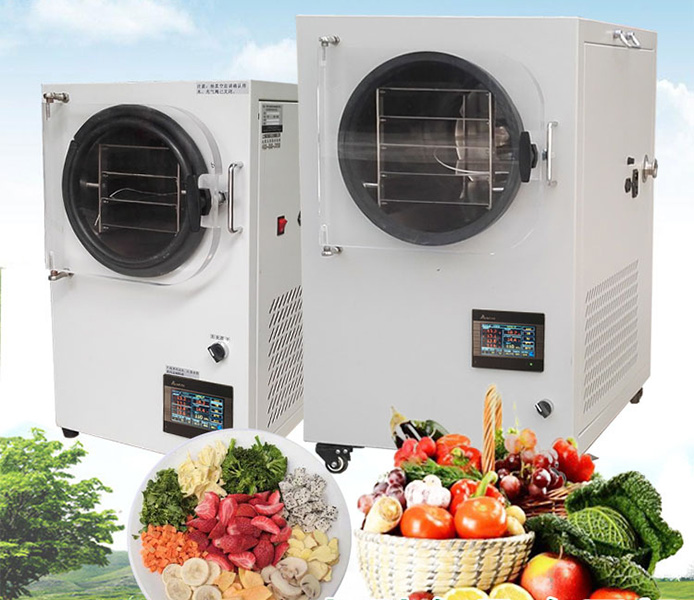
Freeze-drying, also known as lyophilization, is a specialized form of vacuum drying that has gained popularity in the food industry. This process involves freezing the food and then reducing the surrounding pressure to allow the frozen water in the material to sublimate directly from the solid phase to the gas phase.
Applications of Freeze-Drying in Food Preservation
Freeze-drying machines are particularly useful for preserving:
1. Fruits and berries
2. Vegetables
3. Meats and seafood
4. Coffee and tea
5. Dairy products
6. Herbs and spices
The resulting freeze-dried products retain their original shape, color, and nutritional value, making them ideal for use in instant foods, camping meals, and long-term food storage.
Food Processing Vacuum Systems: Enhancing Efficiency and Quality
Vacuum systems play a crucial role in various food processing applications beyond drying. These systems are integral to operations such as packaging, marinating, and even cooking in some cases. The use of vacuum technology in food processing offers several advantages:
1. Reduced oxidation: By removing air, vacuum systems help prevent oxidation, which can lead to spoilage and loss of nutrients.
2. Enhanced flavor infusion: In marinating processes, vacuum systems can help flavors penetrate more deeply into foods.
3. Improved texture: Vacuum processing can help maintain the texture of delicate foods during preservation.
4. Increased production speed: Many vacuum-based processes are faster than their traditional counterparts.
Vacuum-Sealed Food Storage Solutions
The benefits of vacuum drying extend beyond the processing stage. Vacuum-sealed storage solutions have become increasingly popular for both commercial and home use. These storage methods complement vacuum drying by maintaining the low-moisture environment necessary for long-term preservation.
Benefits of Vacuum-Sealed Storage
1. Extended shelf life: Vacuum sealing can significantly increase the storage life of dried foods.
2. Preservation of flavor and nutrients: By preventing air exposure, vacuum sealing helps maintain food quality.
3. Space-saving: Vacuum-sealed packages are compact, allowing for efficient storage and transportation.
4. Reduced food waste: Longer storage times mean less food is discarded due to spoilage.
Energy-Efficient Food Drying Machines: A Sustainable Approach
As the food industry faces increasing pressure to reduce its environmental impact, energy-efficient drying machines have become a focal point of innovation. Vacuum drying technology inherently offers energy savings compared to traditional hot-air drying methods, but manufacturers are continually working to improve efficiency further.
Innovations in Energy Efficiency
1. Heat recovery systems: Capturing and reusing heat from the drying process.
2. Advanced insulation: Minimizing heat loss during operation.
3. Smart control systems: Optimizing drying parameters in real-time for maximum efficiency.
4. Hybrid systems: Combining vacuum drying with other technologies for optimal energy use.
These advancements not only reduce operating costs for food processors but also contribute to a more sustainable food production system.
Advanced Food Preservation Techniques: Beyond Vacuum Drying
While vacuum drying has emerged as a leading technology in food preservation, it is part of a broader spectrum of advanced techniques. Understanding how vacuum drying fits into this landscape can provide valuable context for industry professionals and consumers alike.
Complementary Preservation Methods
1. High-pressure processing (HPP)
2. Pulsed electric field (PEF) treatment
3. Ultrasound-assisted drying
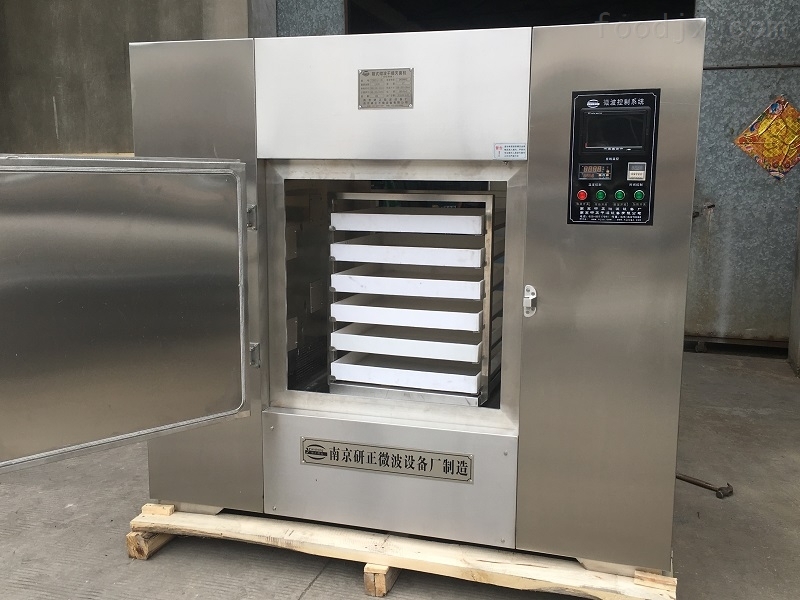
4. Microwave vacuum drying
5. Osmotic dehydration
Each of these methods offers unique advantages, and in some cases, they can be combined with vacuum drying to achieve optimal results for specific food products.
Vacuum Drying for Food Quality Enhancement
One of the most significant advantages of vacuum drying is its ability to enhance and preserve food quality. This aspect has become increasingly important as consumers demand healthier, more natural food options with minimal processing.
Quality Improvements Through Vacuum Drying
1. Retention of vitamins and minerals
2. Preservation of natural colors
3. Maintenance of original flavors
4. Improved rehydration properties
5. Reduced need for additives and preservatives
These quality enhancements make vacuum-dried foods particularly attractive for health-conscious consumers and those seeking premium food products.
Food Industry Vacuum Drying Innovations
The food vacuum drying machine market is characterized by continuous innovation. Manufacturers and researchers are constantly developing new technologies and refining existing ones to meet the evolving needs of the food industry.
Recent Innovations in Vacuum Drying Technology
1. Microwave-assisted vacuum drying: Combining microwave energy with vacuum conditions for faster, more uniform drying.
2. Continuous vacuum belt dryers: Enabling higher throughput for large-scale operations.
3. Intelligent control systems: Using AI and machine learning to optimize drying parameters for different food types.
4. Modular and scalable designs: Allowing for greater flexibility in production setups.
5. Low-temperature vacuum drying: Preserving heat-sensitive compounds in foods.
These innovations are driving the market forward, opening up new possibilities for food preservation and processing.
Conclusion: The Future of Food Vacuum Drying Machines
As we look to the future, it's clear that food vacuum drying machines will continue to play a crucial role in the global food industry. With ongoing advancements in technology, increasing demand for high-quality preserved foods, and a growing emphasis on sustainability, the market for these machines is poised for continued growth and innovation.
The food vacuum drying machine market represents a convergence of technology, consumer demands, and industry needs. As this market evolves, we can expect to see even more efficient, versatile, and sustainable solutions emerge, further transforming the way we process, preserve, and consume food on a global scale.
Frequently Asked Questions
1. What are the main advantages of using food vacuum drying machines?
Food vacuum drying machines offer several key advantages, including better preservation of food quality (taste, texture, and nutritional value), extended shelf life, reduced processing time, energy efficiency, and versatility in handling various food products.
2. How does vacuum drying differ from traditional drying methods?
Vacuum drying operates at lower temperatures and reduced pressure compared to traditional drying methods. This allows for the removal of moisture without exposing food to high temperatures, which can degrade quality. The result is better preservation of the food's original characteristics and nutritional content.
3. What types of foods can be processed using vacuum drying technology?
Vacuum drying technology can be used on a wide range of foods, including fruits, vegetables, meats, herbs, spices, coffee, tea, and even some dairy products. It's particularly useful for heat-sensitive foods that might be damaged by traditional drying methods.
4. How does the energy efficiency of vacuum drying compare to other methods?
Vacuum drying is generally more energy-efficient than traditional hot-air drying methods because it operates at lower temperatures. The energy savings can be significant, especially for large-scale operations, contributing to both cost reduction and environmental sustainability.
5. What is the expected growth of the food vacuum drying machine market?
According to market research, the global food vacuum drying machine market is expected to grow at a compound annual growth rate (CAGR) of 4.9% from 2023 to 2033, reaching an estimated value of US$ 2.05 billion by the end of 2033. This growth is driven by increasing demand for processed foods, emphasis on food quality, and advancements in drying technology.


